Avoiding Food Faux Pas: Cultural Eating Mistakes to Skip in Indian Kitchens
When you're eating Indian food, avoiding food faux pas, common cultural missteps during meals that can offend or confuse locals. Also known as dining etiquette errors, it's not about being perfect—it's about respecting how food is truly meant to be eaten in Indian homes and street stalls. You might not realize it, but using your left hand to eat, biting into a dosa like a sandwich, or asking for salt at a traditional meal can send the wrong message—even if you mean no harm.
Left hand dining, the cultural norm in India where the left hand is considered unclean due to its traditional use in personal hygiene. Also known as left-hand hygiene taboo, it's not superstition—it's practical history. In many households, eating with the right hand is non-negotiable. Skipping this rule doesn’t make you bold; it makes you unaware. And it’s not just about hands. Cultural food norms, unwritten rules around serving, sharing, and consuming food that vary by region, religion, and family. Also known as eating customs, these shape everything from how you handle roti to whether you finish every bite on your plate. In South India, leaving food on your plate can insult the cook. In North India, refusing a second helping might be seen as rude. Even something as simple as blowing on hot food to cool it down is frowned upon in many homes—it’s seen as impolite to show you’re eating too fast.
Then there’s the spice. Asking for "mild" might seem smart, but in many kitchens, it’s like asking for watered-down flavor. Indian food isn’t about heat for heat’s sake—it’s about balance. A dish labeled "spicy" might just mean it’s properly seasoned. And if you’re eating street food? Don’t touch the plate with your utensils. Use your hands, or let the vendor serve you. No one expects you to be an expert, but showing you’re willing to learn makes all the difference.
These aren’t rigid rules—they’re signs of respect. When you avoid food faux pas, you don’t just eat better—you connect deeper. You notice how elders serve first, how elders serve first, how food is shared from a single plate in some homes, how silence during meals isn’t awkward—it’s peaceful. You start seeing food not just as fuel, but as tradition, identity, and care.
Below, you’ll find real stories and practical tips from Indian kitchens that reveal what most visitors never learn. From why fenugreek is in your dosa batter to why naan isn’t always the healthiest choice, these posts cut through the noise and give you what actually matters. No fluff. Just what to do—and what to skip—so you eat like you belong.
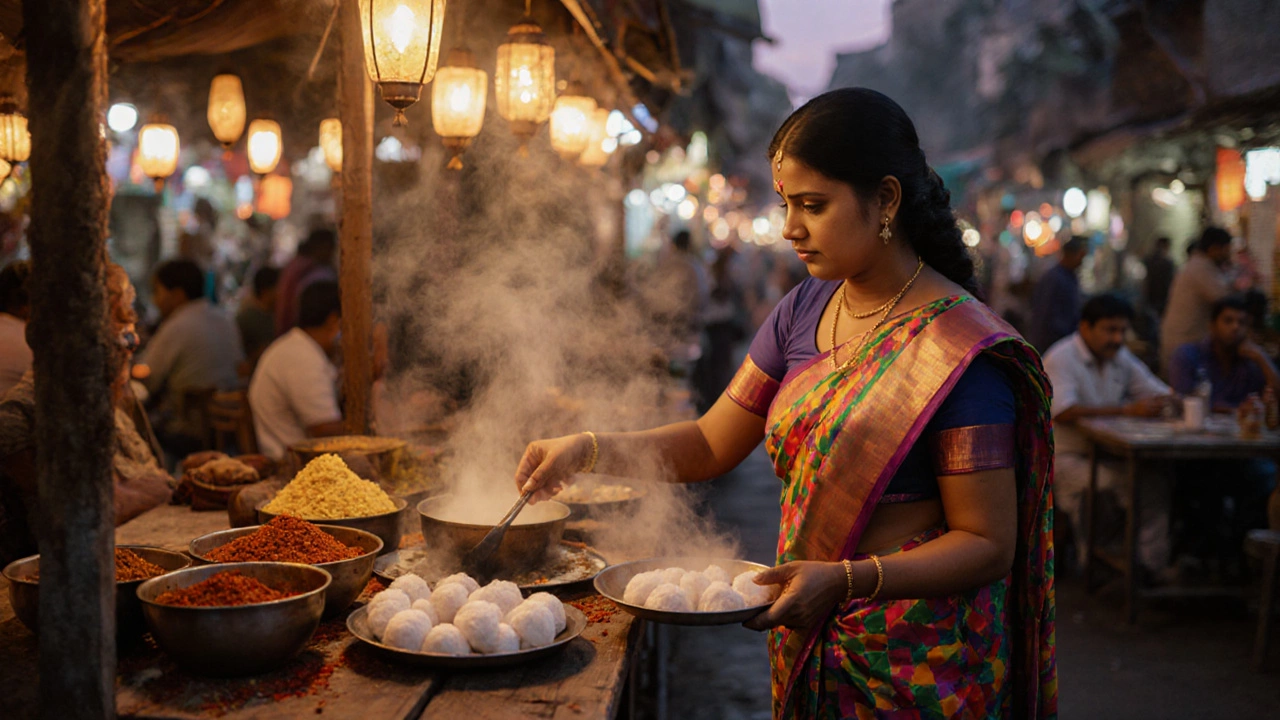
What Not to Eat in India: Common Mistakes and Cultural Missteps
Avoid cultural missteps in India by learning what not to eat-beef, raw street fruit, or Westernized 'Indian' dishes. Respect local customs around hands, fasting, and food waste to truly experience Indian cuisine.