Best Oil for Dosa: What Works, What Doesn’t, and Why It Matters
When you’re making best oil for dosa, the type of oil you use directly affects crispness, flavor, and how well the batter spreads. Also known as cooking oil for dosa, it’s not just about heat tolerance—it’s about tradition, smoke point, and how it interacts with fermented rice and lentil batter. This isn’t a guess. It’s something every South Indian household has tested over generations.
Many people think any neutral oil will do—canola, sunflower, even olive oil. But those often fail. They don’t crisp the edge the way traditional oils do. The real secret? coconut oil, a staple in Kerala and coastal Karnataka kitchens. Also known as virgin coconut oil, it has a low smoke point but high saturated fat content, which creates that signature golden crunch without burning. It also adds a subtle sweetness that balances the tang of fermented batter. Then there’s groundnut oil, common in Tamil Nadu and Andhra, prized for its clean flavor and higher smoke point. It’s the go-to for large-scale street vendors because it’s affordable and doesn’t overpower the dosa’s natural taste.
Why do some oils make dosas soggy? Because they’re too light or too processed. Refined oils with chemical additives don’t bond well with the batter’s moisture. They slide off instead of searing. And if you use butter or ghee? You’ll get flavor—but the dosa won’t crisp. It’ll puff up unevenly and turn rubbery. The best oil for dosa needs to be just right: hot enough to set the batter fast, but mild enough to let the fermentation shine. It’s not about health trends. It’s about what works on a hot tawa, in a humid kitchen, at 6 a.m. before the market opens.
And don’t forget the technique. Even the right oil won’t save you if your tawa isn’t hot enough or your batter isn’t fermented properly. But get the oil right, and you’re already halfway there. You’ll see the batter spread like silk, hear the sizzle that means it’s cooking right, and smell that unmistakable aroma of a perfect dosa—crisp on the outside, soft inside, ready for coconut chutney or sambar.
Below, you’ll find real tests, kitchen experiments, and time-tested advice from home cooks across Tamil Nadu, Kerala, and Karnataka. No theory. No fluff. Just what actually works when you’re making dosas for your family.
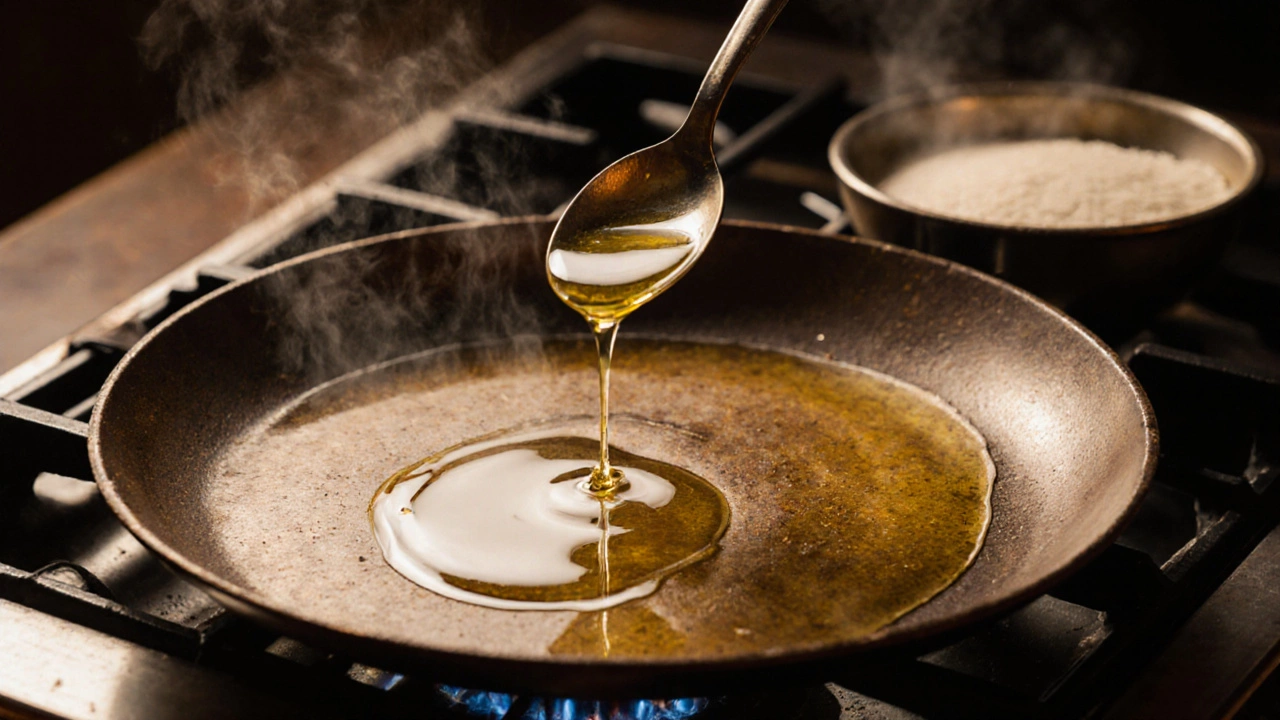
Best Oil for Dosa: Perfect Crispiness and Flavor Every Time
Find out the best oil for dosa to get perfect crispiness and authentic flavor. Learn why refined coconut oil wins, what alternatives work, and which oils to avoid for the best dosa every time.
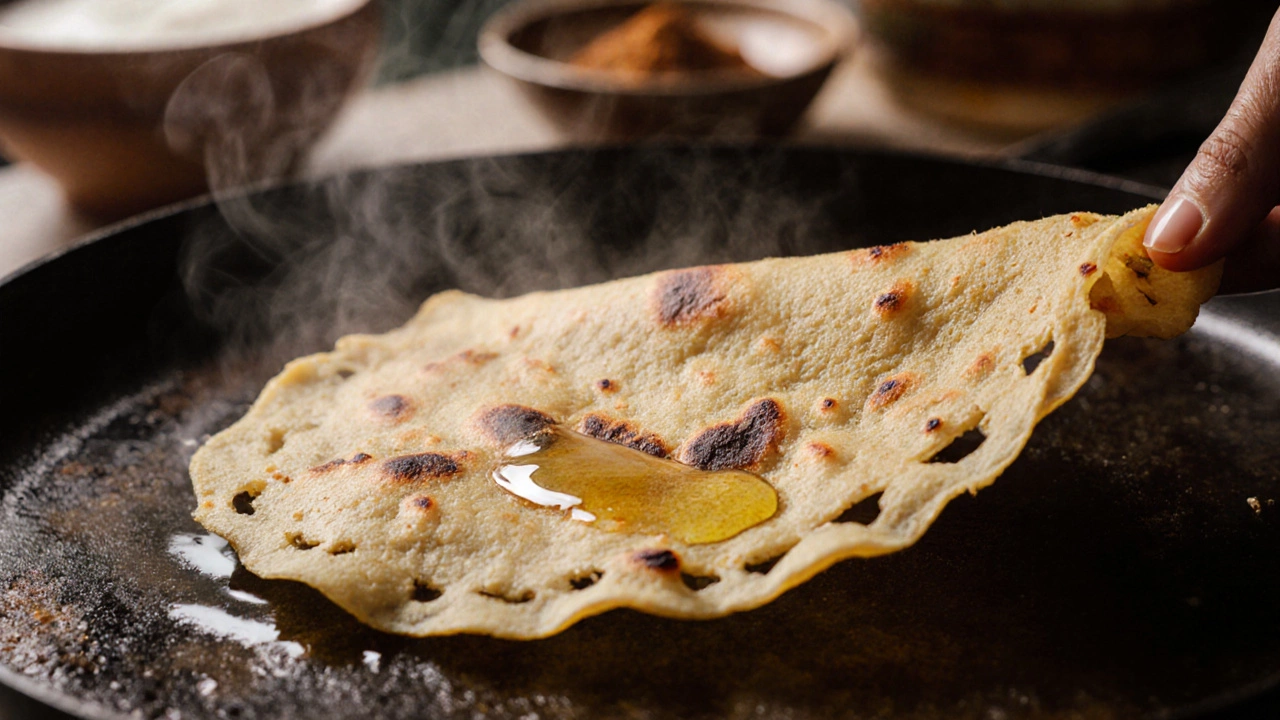
Best Oil for Dosa: Which One Gives You Crispy, Golden Results Every Time
Discover the best oil for dosa to achieve crispy, golden results every time. Learn why coconut and groundnut oil win over olive oil and butter, plus pro tips on heat, quantity, and storage.