Best Vinegar for Chutney – Your Guide to Picking the Perfect Acidic Boost
When working with best vinegar for chutney, the goal is to add the right level of acidity without overwhelming the underlying spices. Also known as optimal chutney vinegar, it acts as both a preservative and a flavor enhancer. Vinegar, a fermented acidic liquid made from fruits, grains, or sugars comes in many varieties, each bringing its own aroma, acidity, and sweet‑sour balance. Understanding these differences lets you fine‑tune the taste of chutney, the versatile South Indian condiment that can be sweet, spicy, or tangy.
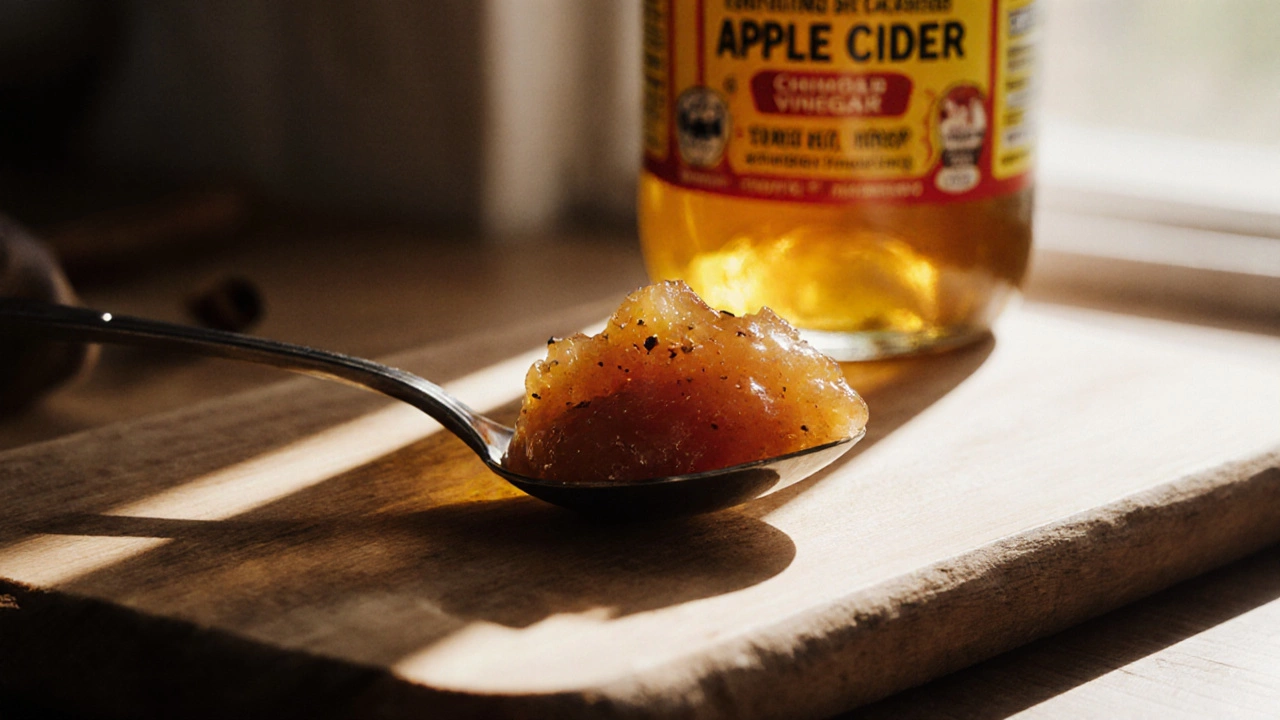
Choosing the right vinegar encompasses flavor balancing, a core concept in Indian cooking. Flavor balancing, the practice of harmonizing sweet, salty, sour, bitter, and umami elements determines whether a coconut‑based chutney feels bright or heavy. For example, malt vinegar offers a mellow, slightly sweet note that pairs well with roasted peanuts in a traditional peanut chutney. Apple cider vinegar, with its fruity undertone, lifts the heat of green chili chutney without masking its green pepper flavor. Meanwhile, classic white distilled vinegar provides a sharp, clean acidity that cuts through rich, oil‑laden coconut chutney, keeping the overall palate fresh.
How South Indian Cuisine Shapes Your Vinegar Choice
South Indian cuisine leverages acid in many dishes – from tamarind‑rich sambar to pickles that sit on the shelf for months. South Indian cuisine, a regional food tradition known for rice, lentils, coconut, and bold spices therefore treats vinegar as a supporting player rather than a star. When you add vinegar to chutney, you’re echoing the same sour profile found in rasam or lemon rice, creating continuity across the meal. The right vinegar also respects the delicate balance of heat from dried red chilies and the cool creaminess of yogurt‑based chutneys.
Practical tips help you decide quickly. First, check the acidity level: most household vinegars sit at 5% acidity, which is sufficient for most chutneys. Second, taste a spoonful straight from the bottle – you want a bright, clean sourness, not a burnt or overly sweet aftertaste. Third, consider the color impact; dark balsamic can turn a light coconut chutney brown, while clear white vinegar keeps the hue bright. Finally, remember that a little goes a long way; start with ¼ teaspoon per cup of chutney and adjust after the flavors meld.
These guidelines set the stage for the collection below, where you’ll find recipes that showcase each vinegar type in action – from fruit‑forward mango chutney with apple cider vinegar to tangy tomato chutney that relies on white vinegar’s crisp edge. Whether you’re a beginner looking for a fool‑proof starter or an experienced cook fine‑tuning a family recipe, the insights here will help you pick the best vinegar for chutney and use it confidently across South Indian meals.
Best Vinegar for Chutney: How to Choose the Perfect One
Discover which vinegar lifts your chutney flavor the most. Get a flavor guide, comparison table, step‑by‑step checklist, and real recipes for the perfect vinegar choice.