Bland Curry: Why It Happens and How to Fix It
When your bland curry, a dish that lacks depth, aroma, or heat despite using common spices. Also known as flat-tasting curry, it’s not about missing ingredients—it’s about how they’re used. Most people think curry needs more chili or salt, but the real issue is usually timing, layering, or ingredient quality. A curry spice blend, a mix of toasted and ground spices like cumin, coriander, turmeric, and mustard seeds needs to be bloomed in oil, not tossed in at the end. If you skip this step, your curry will taste like dust, not depth.
The curry base, the foundational layer of onions, garlic, ginger, and tomatoes cooked down until caramelized is where flavor is built, not added. Many recipes rush this part. Cooking onions until they’re golden brown, not just translucent, unlocks sugars that balance heat and richness. Without it, even the best spices fall flat. And don’t forget the curry leaf, a fragrant, citrusy Indian herb essential in South Indian cooking. It’s not decorative—it’s a flavor anchor. Skip it, and your curry loses its soul. Same goes for tamarind or kokum—these souring agents don’t just add tang, they lift the whole dish.
You can’t fix a bland curry with more powder. You fix it with patience. Toast your spices whole first, then grind them. Fry your ginger-garlic paste until the raw smell disappears. Let your curry simmer slowly—don’t boil it hard. And always taste before serving. Salt isn’t the answer if your spices aren’t awake. The bland curry you’re dealing with isn’t broken—it’s just underdeveloped. Below, you’ll find real fixes from actual kitchens: how to rescue a weak curry, which spices to use when, and why some ingredients make all the difference. No fluff. Just what works.
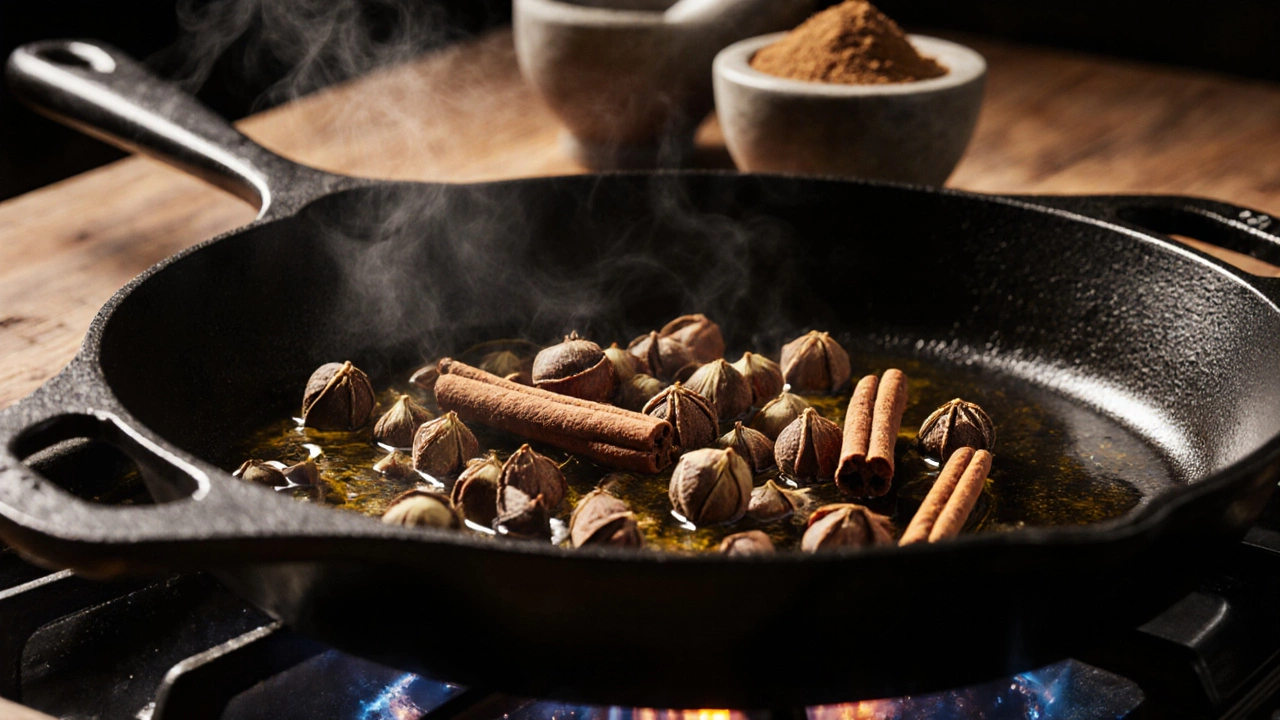
How to Spice Up a Bland Chicken Curry: 7 Proven Fixes for More Flavor
Fix a bland chicken curry with fresh spices, proper blooming techniques, and smart finishing touches. Learn how to build deep flavor without cream or paste, and why resting the curry matters.