Cheese Whey Benefits: Nutrition, Uses, and How to Use Paneer Whey
When you make paneer at home, you’re left with a milky liquid called cheese whey, the liquid separated from curds during cheese-making, rich in proteins, vitamins, and minerals. Also known as paneer whey, it’s not waste—it’s a nutrient-dense byproduct that many kitchens throw away without realizing its value. This isn’t just water with bits floating in it. It’s packed with lactose, calcium, B vitamins, and about 20% of the original milk’s protein—mostly whey protein, the same type used in many fitness supplements.
Drinking whey from paneer can help with muscle recovery, improve digestion, and even support skin health. Unlike store-bought whey isolates, homemade paneer whey is natural, unprocessed, and free from additives. But it’s not for everyone. If you have lactose intolerance, a condition where the body can’t break down lactose, leading to bloating or diarrhea, even small amounts might cause discomfort. Still, many people with mild sensitivity find they tolerate paneer whey better than milk because much of the lactose gets removed during curdling. For those who can handle it, mixing whey into smoothies, soups, or bread dough adds protein without changing flavor.
Whey isn’t just for drinking. In Indian kitchens, it’s often used to soak rice or lentils before cooking—this softens them faster and boosts nutrient absorption. Some families use it as a natural starter for fermenting dosa batter, just like fenugreek. It’s also a great substitute for water when making roti dough—your flatbreads stay softer longer. And if you’re into gardening, dilute it and use it as a plant feed. The potassium and trace minerals help greens grow stronger.
You might wonder how this connects to paneer recipes, yogurt fermentation, or even biryani spices. It all ties together. Making paneer means you’re already working with milk, fermentation, and protein-rich ingredients. The whey you save is part of that same cycle. Skip it, and you’re missing out on a free, natural boost to your meals. The posts below show you exactly how to use it safely, how much to drink, which recipes benefit most, and what to avoid if you’re sensitive to dairy. No fluff. Just real ways to turn what you usually pour down the drain into something that actually helps your body.
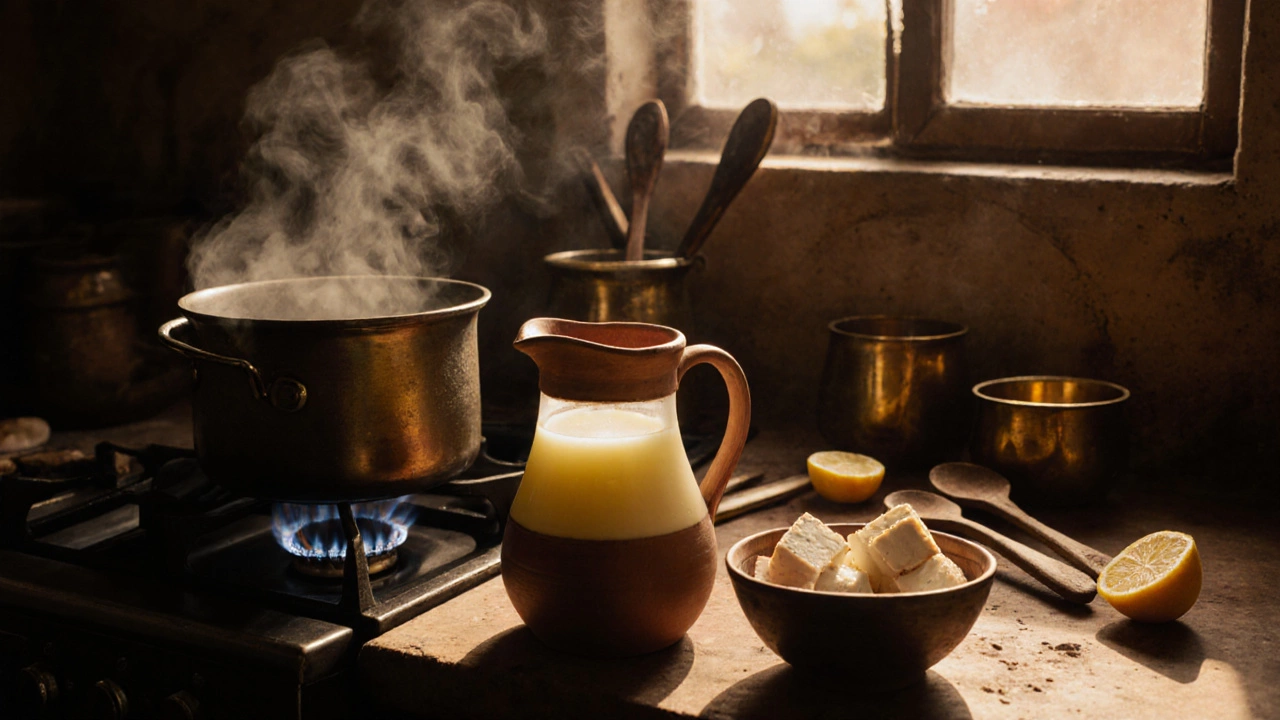
Can You Drink Whey After Making Paneer? Here’s What Really Happens
Yes, you can drink whey after making paneer-it's safe, nutritious, and full of protein. Learn how to use this kitchen byproduct in cooking, fermentation, and smoothies instead of throwing it away.