Coconut Oil for Dosa: Why It’s the Secret to Crispy, Authentic South Indian Dosa
When you think of a perfect coconut oil for dosa, a traditional South Indian cooking fat known for its high smoke point and distinct aroma. Also known as virgin coconut oil, it’s not just a substitute—it’s the baseline for authentic dosa texture and taste. Most recipes skip this step, using vegetable oil or ghee instead. But if you’ve ever had a dosa that cracked just right, smelled faintly sweet, and stayed crisp for minutes after cooking—that’s coconut oil at work.
It’s not magic. It’s chemistry. Coconut oil solidifies at room temperature but melts cleanly on a hot tawa, creating a thin, even layer that crisps the batter without burning. Unlike other oils, it doesn’t seep into the batter, so your dosa stays light, not greasy. And because it’s naturally rich in lauric acid, it helps the batter ferment better over time—something traditional households have known for generations. You’ll find it in every kitchen from Kerala to Tamil Nadu, not because it’s trendy, but because it just works. It’s also tied to another key entity: dosa batter, a fermented mix of rice and urad dal that’s the foundation of every dosa. The oil doesn’t just cook the dosa—it protects the batter’s natural fermentation process by creating a barrier against moisture loss during cooking.
Related to that is South Indian cooking, a culinary tradition that relies heavily on locally sourced fats, spices, and fermentation techniques. Coconut oil is one of its pillars, alongside things like curry leaves, mustard seeds, and fenugreek. You won’t find it in North Indian parathas or Punjabi tandoori, but in a proper South Indian breakfast, it’s non-negotiable. Even the best restaurant chains in Chennai or Bangalore use it. Why? Because it gives dosa its signature snap, not just crunch. It carries the flavor of the batter without overpowering it, and it leaves behind a clean, slightly nutty finish that lingers just enough.
Some people ask if you can skip it. Sure—you can use sunflower oil or even butter. But your dosa won’t taste the same. It might be edible. It might even be crispy. But it won’t be authentic. And if you’re trying to recreate the dosa your grandmother made, or the one you had on a street corner in Mangalore, coconut oil isn’t optional—it’s the missing link.
Below, you’ll find real posts from cooks who’ve tested this over and over—how much oil to use, when to apply it, why some batches fail even with coconut oil, and how it plays with fenugreek, rice ratios, and fermentation time. No fluff. Just what works in actual kitchens.
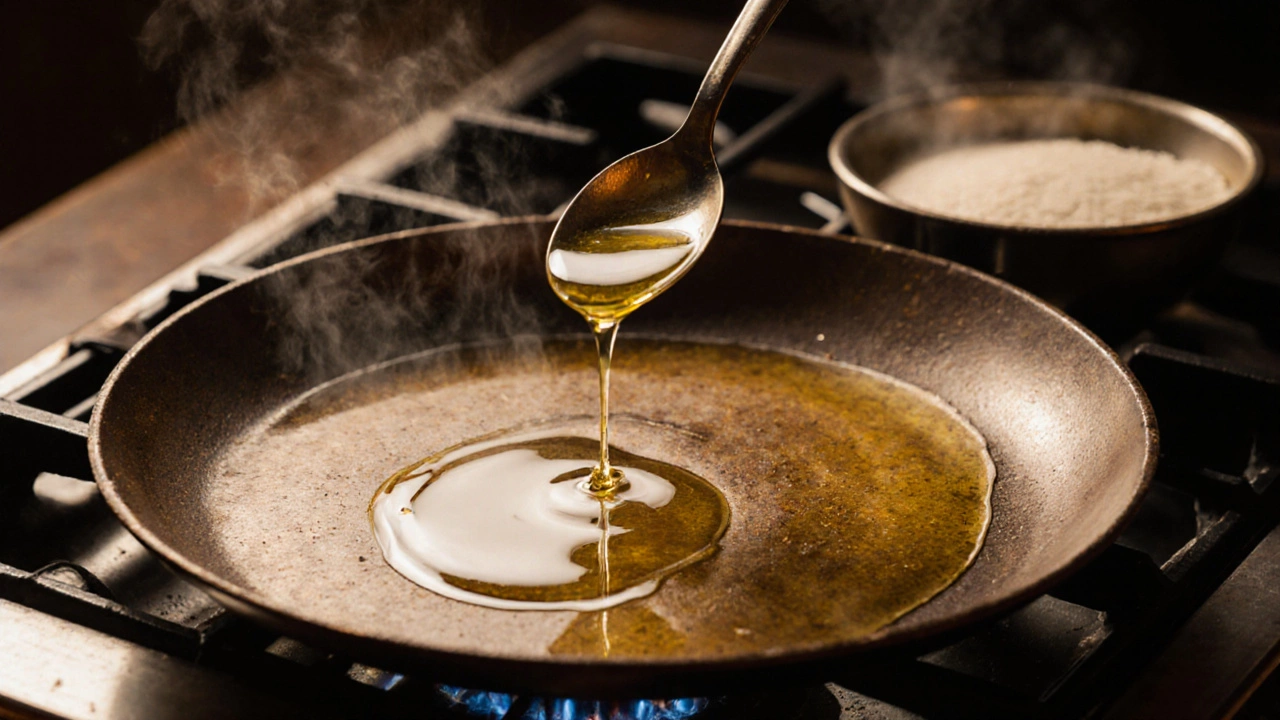
Best Oil for Dosa: Perfect Crispiness and Flavor Every Time
Find out the best oil for dosa to get perfect crispiness and authentic flavor. Learn why refined coconut oil wins, what alternatives work, and which oils to avoid for the best dosa every time.
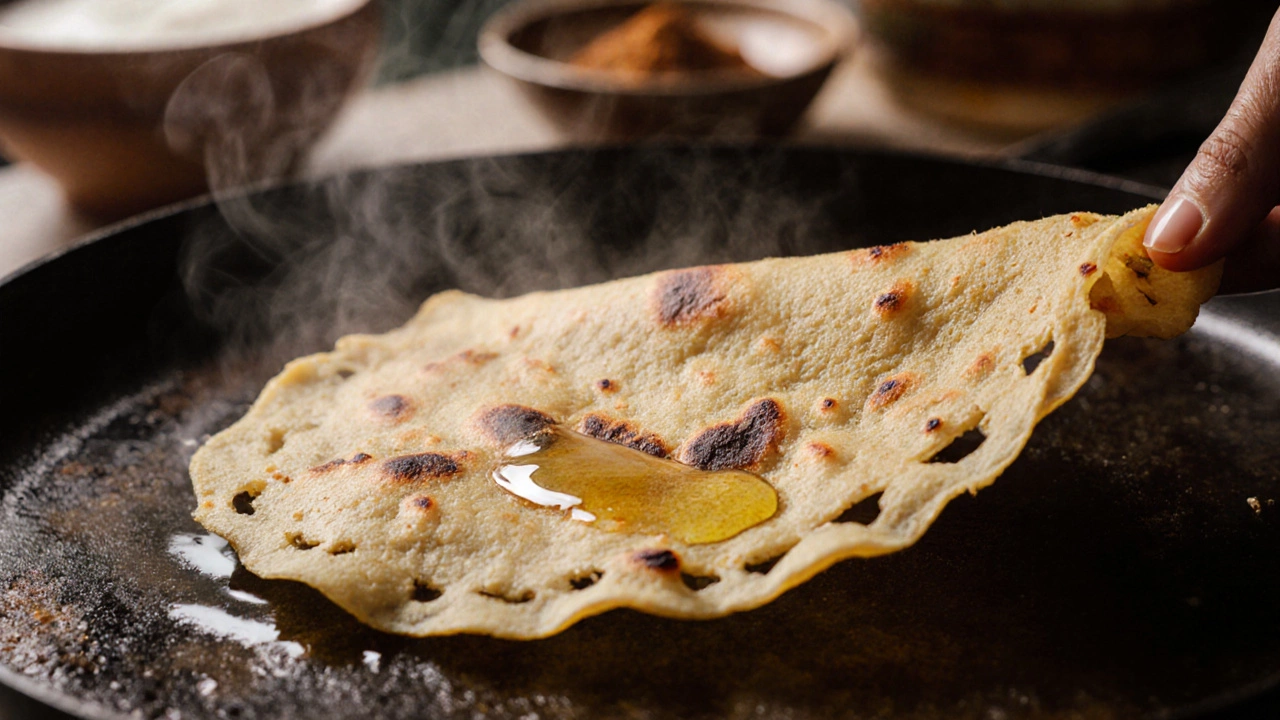
Best Oil for Dosa: Which One Gives You Crispy, Golden Results Every Time
Discover the best oil for dosa to achieve crispy, golden results every time. Learn why coconut and groundnut oil win over olive oil and butter, plus pro tips on heat, quantity, and storage.