Cultural Food Mistakes: Avoid Common Errors in Indian Cooking
When you make a cultural food mistake, a misstep rooted in tradition, etiquette, or misunderstood cooking norms that affects taste, respect, or safety. Also known as food etiquette errors, it can turn a simple meal into an awkward moment—or worse, ruin the flavor. These aren’t just about being polite. They’re about understanding why certain rules exist in the first place. For example, using your left hand to eat isn’t just a hygiene tip—it’s tied to centuries of practice in South India, where the left hand was traditionally used for cleaning. Skip that rule, and you might offend someone even if you meant no harm.
Then there’s the Indian eating habits, the unspoken routines around when, how, and what people eat based on region, religion, and family tradition. Many assume all Indian meals follow the same pattern: rice, dal, curry, roti. But in Kerala, rice is eaten with fish curry at every meal. In Punjab, butter chicken might be a weekend treat, not a daily staple. Mistaking one regional habit for the national norm leads to wrong spice choices, bad ingredient swaps, or even serving food at the wrong time. Ever added ghee to a dosa batter because you thought it was "more authentic"? That’s a cultural food mistake. Traditional batter uses oil—coconut or groundnut—for crispness, not ghee, which makes it greasy and soft.
Another big one: food etiquette India, the set of unwritten rules governing how food is handled, served, and consumed in Indian homes and public spaces. People think serving food on banana leaves is just pretty. It’s not. It’s about natural antimicrobial properties and heat retention. Serving biryani in a plastic container? That’s not just lazy—it’s culturally tone-deaf. Even something as simple as pouring water after a meal isn’t just for drinking. In many South Indian homes, it’s to cleanse the palate and aid digestion. Skip it, and you miss a key part of the experience.
You’ll also find mistakes in how spices are treated. Adding cumin seeds directly to hot oil without waiting for them to crackle? That’s not just wrong—it’s a flavor killer. Blooming spices properly isn’t a technique—it’s a cultural ritual passed down through generations. And don’t assume all Indian dishes need chili. Khichdi exists for a reason: not everyone wants heat. Using the same spice blend for every dish ignores regional identity. Tamil Nadu’s sambar isn’t the same as Karnataka’s. And no, you don’t need cream to make chicken curry rich. That’s a restaurant trick, not a tradition.
These aren’t just cooking tips. They’re cultural truths. The best Indian food doesn’t come from following a recipe—it comes from respecting the context. Who made it? Why was it made that way? What’s the story behind the oil, the hand, the spice, the timing? When you ignore those, you lose the soul of the dish.
Below, you’ll find real fixes for real mistakes—whether it’s why your roti won’t stay soft, why your curry tastes flat, or why using the left hand matters more than you think. These aren’t random posts. They’re the answers to the questions you didn’t know you were asking.
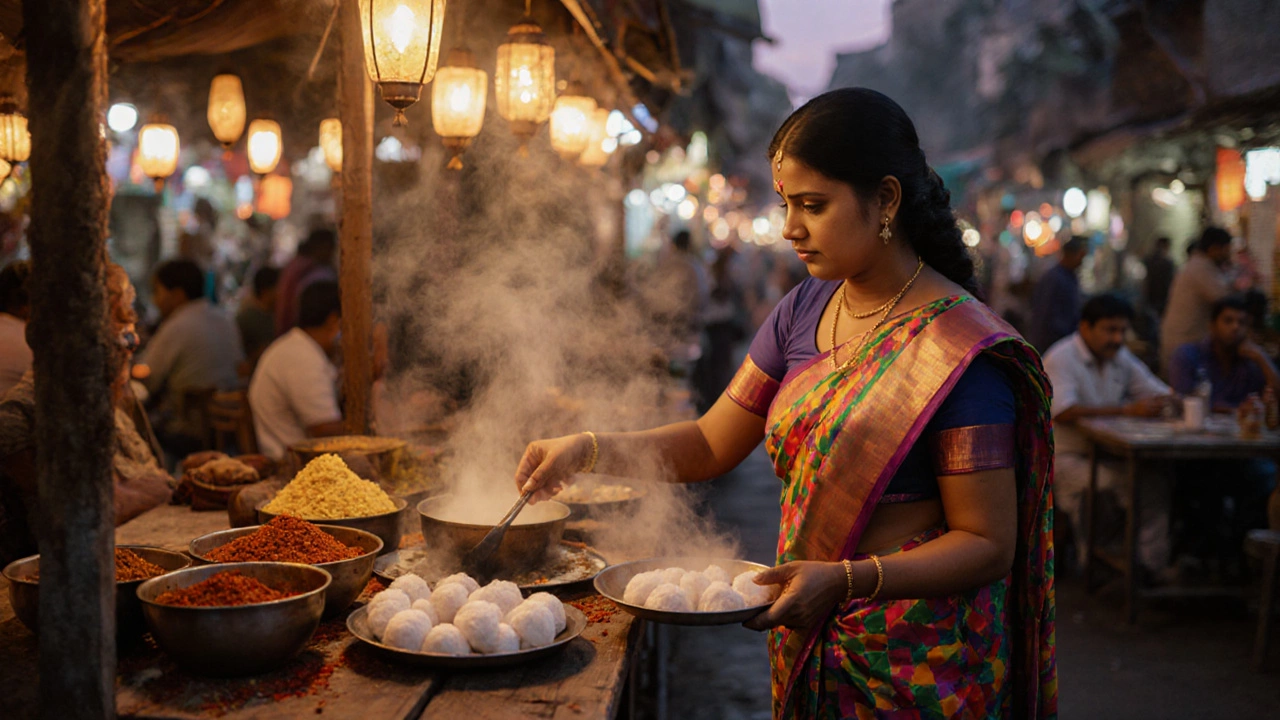
What Not to Eat in India: Common Mistakes and Cultural Missteps
Avoid cultural missteps in India by learning what not to eat-beef, raw street fruit, or Westernized 'Indian' dishes. Respect local customs around hands, fasting, and food waste to truly experience Indian cuisine.