Cultural Food Norms in India: Traditions, Beliefs, and Everyday Eating Practices
When we talk about cultural food norms, the unwritten rules and deep-rooted beliefs that guide what people eat, how they prepare it, and when they share it. Also known as food traditions, it shapes everything from breakfast to festivals across India’s 28 states. These aren’t just habits—they’re tied to religion, family, seasons, and even the time of day. You won’t find a single Indian household where food is just fuel. It’s a ritual, a gift, a prayer, or a statement of identity.
Take vegetarianism in India, a practice deeply rooted in religious beliefs, especially among Hindus, Jains, and some Buddhist communities. Also known as plant-based eating, it’s not a trend—it’s a way of life for over 30% of the population. That’s why paneer and tofu show up in so many recipes, and why whey from homemade paneer isn’t thrown away—it’s seen as sacred nourishment. This isn’t about dieting. It’s about non-violence, purity, and respect for life, and it directly affects what’s on your plate at home or in a temple kitchen. Then there’s food symbolism, how certain dishes carry meaning beyond taste. Also known as ritual food, it’s why sweets are given at weddings, why khichdi is served during illness, and why turmeric is mixed into rice for blessings. These aren’t random choices—they’re centuries-old codes passed down through generations. Even something as simple as using coconut oil for dosa or avoiding garlic during fasting periods ties back to these norms. It’s not about flavor alone—it’s about belonging.
And then there’s Hindu food practices, the specific rules around offering food to deities, eating with hands, and avoiding certain ingredients during holy days. Also known as prasad culture, it turns meals into spiritual acts. The sweet you hand to a guest isn’t just dessert—it’s a blessing. The roti you serve hot isn’t just bread—it’s hospitality made edible. These practices aren’t fading. They’re alive, in village kitchens and city apartments alike, quietly shaping how India eats. You’ll find these threads in every post below: why fenugreek is added to dosa batter, how milk is used after making paneer, why butter chicken dominates global menus, and why rotis go soft or stay crisp based on family rules. These aren’t random cooking tips. They’re cultural artifacts wrapped in flavor.
What you’ll find here isn’t a list of recipes—it’s a window into how food holds together families, faiths, and festivals in India. Whether you’re curious about why certain dishes are served during Diwali, or how a simple bowl of khichdi became the nation’s gentlest meal, the answers are all tied to deeper traditions. No fluff. Just real practices, real people, and real reasons behind what ends up on your plate.
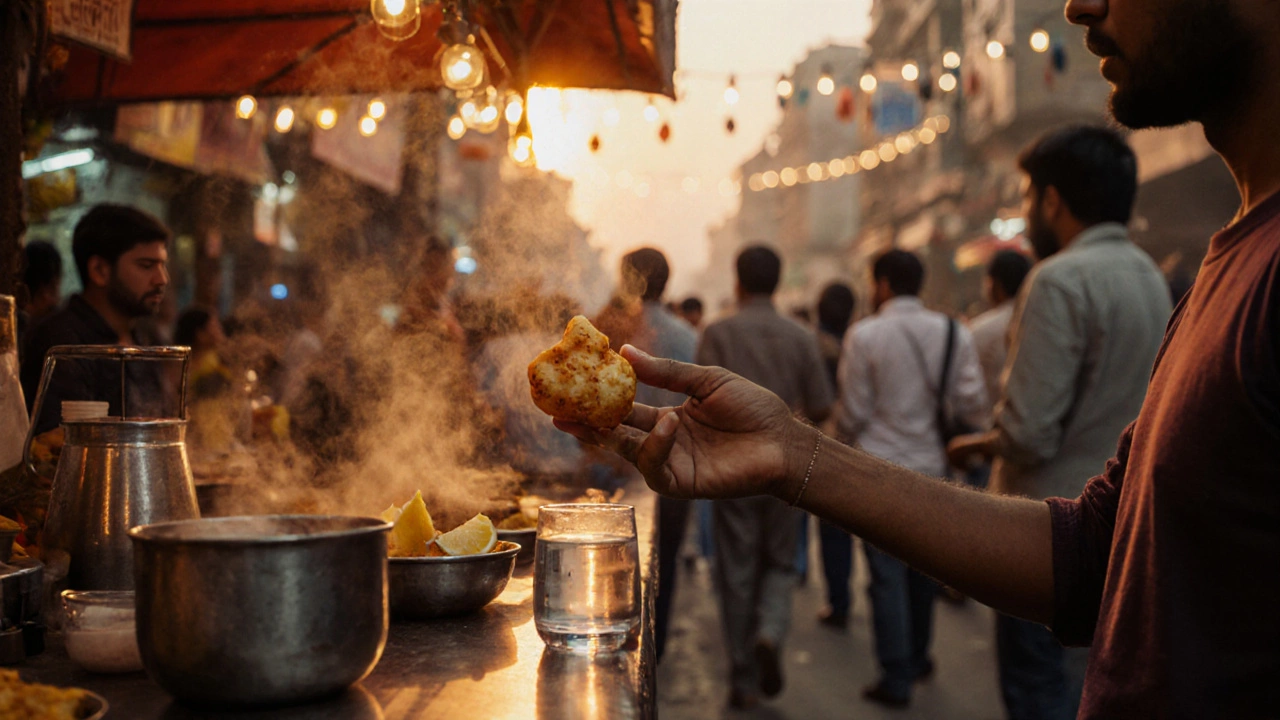
Why Is the Left Hand Considered Unclean in India? A Cultural Guide to Eating Street Food
Discover why the left hand is considered unclean in India and how this cultural norm shapes the way people eat street food. Learn the history, practical tips, and deeper meaning behind this widespread tradition.