Dosa Batter Oil: Best Oils for Crispy Dosa and Why It Matters
When you pour dosa batter oil, the fat added to dosa batter to achieve crispiness and flavor. Also known as cooking oil for dosa, it’s not just a greasy afterthought—it’s the secret that turns a soft pancake into a golden, crackling crisp. Too little, and your dosa sticks and stays limp. Too much, or the wrong kind, and it turns greasy or tastes off. The oil you choose doesn’t just fry the dosa—it shapes the texture, aroma, and even how well the batter ferments.
The best dosa batter oil isn’t about what’s trendy. It’s about what works in South Indian kitchens. refined coconut oil, a neutral-tasting oil made from dried coconut meat, commonly used in Kerala and Tamil Nadu wins for a reason: it has a high smoke point, doesn’t overpower the batter, and gives that signature crunch without leaving residue. mustard oil, a pungent, traditional oil used in parts of South India for its sharp flavor and antimicrobial properties is another option, but only if you like its bold kick. Olive oil? Too low a smoke point. Butter? Too rich. Vegetable oil? It works, but it’s bland and doesn’t help the batter crisp the same way.
Why does this matter beyond taste? The oil in your batter affects fermentation. A small amount of oil helps the batter rise evenly by reducing surface tension. It also prevents sticking, which means you can flip your dosa without tearing it. If you’re using a cast iron tawa, the oil helps build seasoning over time. And if you’re trying to make dosa for guests or kids, the right oil means fewer complaints about greasiness or sogginess.
Most people think the batter is everything. But if you skip the oil or pick the wrong kind, even perfect fermentation won’t save you. The posts below cover exactly this: which oils deliver the crispiest results, how much to use, what happens when you substitute, and why some oils make your dosa stick even when the batter is flawless. You’ll find real tests from home cooks, comparisons between coconut oil, peanut oil, and ghee, and tips to fix dosa that won’t crisp up—no guesswork, no fluff. Whether you’re making masala dosa for Sunday breakfast or plain dosa for a quick snack, the oil you choose makes all the difference.
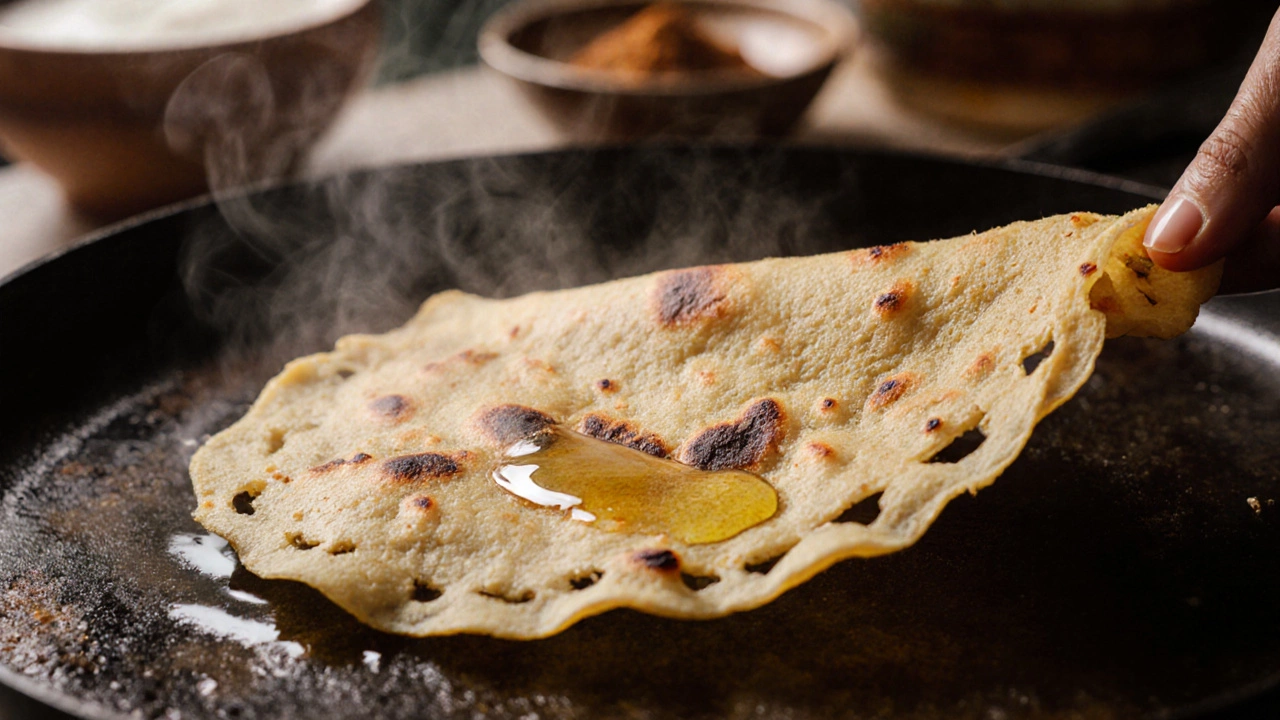
Best Oil for Dosa: Which One Gives You Crispy, Golden Results Every Time
Discover the best oil for dosa to achieve crispy, golden results every time. Learn why coconut and groundnut oil win over olive oil and butter, plus pro tips on heat, quantity, and storage.