Drink Paneer Whey: Benefits, Risks, and How to Use It
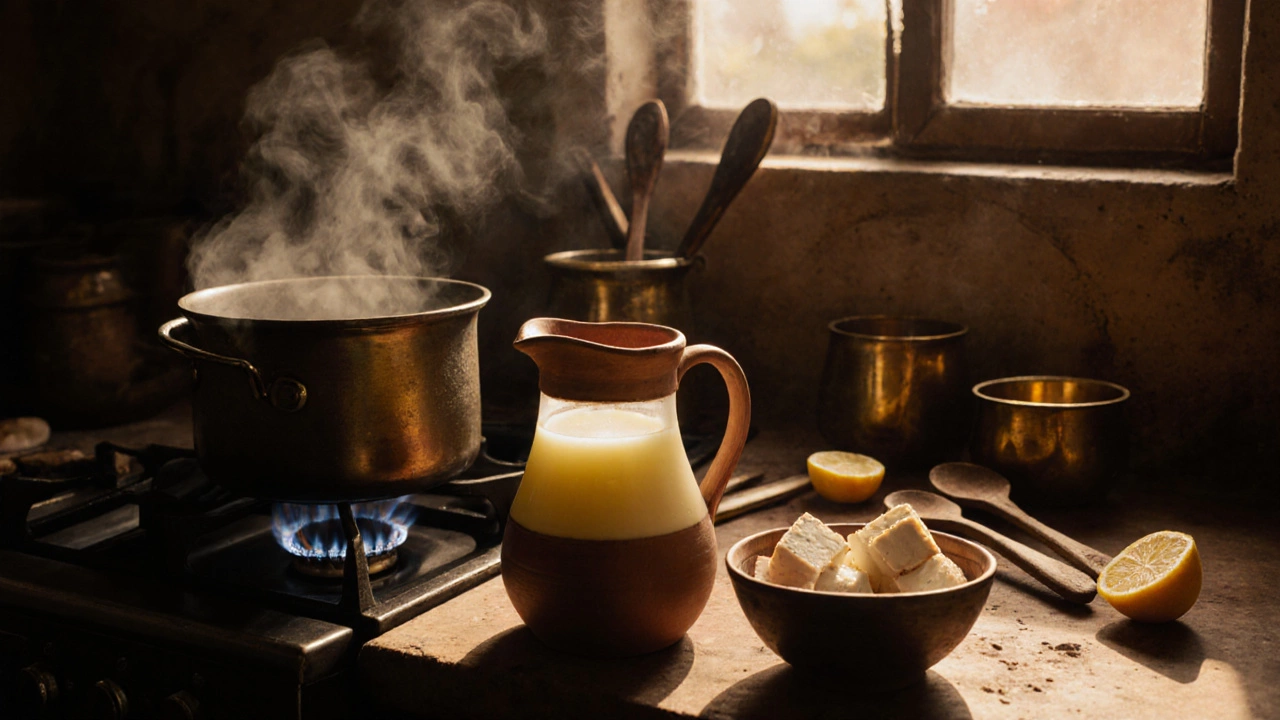
When you make paneer at home, you’re left with a milky liquid called paneer whey, the liquid byproduct of curdling milk with acid, rich in water-soluble proteins and minerals. Also known as cheese whey, it’s not waste—it’s packed with nutrients most people pour down the drain. Many don’t realize this liquid holds nearly 70% of the milk’s original protein, along with calcium, lactose, and B vitamins. If you’re trying to boost your protein intake without supplements, drinking paneer whey could be a simple, low-cost move—especially if you’re already making paneer.
But it’s not for everyone. If you have lactose intolerance, a condition where the body struggles to digest lactose, the natural sugar in milk, drinking paneer whey might cause bloating or stomach upset. Unlike the solid paneer, which loses much of its lactose during pressing, the whey keeps most of it. Still, some people with mild sensitivity can tolerate small amounts, especially if the whey has been fermented or left to sit for a few hours. It’s also worth noting that paneer whey is different from whey protein, the concentrated supplement form used by athletes, which is processed and stripped of fat and lactose. Your homemade whey is natural, unfiltered, and contains everything the milk originally had—good and bad.
So what can you actually do with it? Skip the sink. Use it to soak rice for softer idlis, mix it into roti dough for extra protein, or blend it into smoothies with banana and cinnamon. Some even use it as a base for soups or to ferment dosa batter—it helps speed up fermentation naturally. You don’t need fancy gadgets or special diets to benefit from it. Just save it next time you make paneer. The real question isn’t whether it’s healthy—it’s whether you’re throwing away free nutrition without knowing it.
Below, you’ll find real posts from people who’ve tried drinking paneer whey, tested its effects on weight loss, mixed it into meals, and even used it to replace water in baking. Some swear by it. Others learned the hard way why it’s not a magic drink. Whether you’re curious, skeptical, or already making paneer every week, these stories will help you decide what to do with that leftover liquid.
Can You Drink Whey After Making Paneer? Here’s What Really Happens
Yes, you can drink whey after making paneer-it's safe, nutritious, and full of protein. Learn how to use this kitchen byproduct in cooking, fermentation, and smoothies instead of throwing it away.