Eating Etiquette India: Real Rules for Dining Like a Local
When you eat in India, you’re not just having a meal—you’re taking part in a tradition that’s older than most modern nations. Eating etiquette in India, the unwritten rules that guide how food is handled, shared, and consumed across households and public spaces. It’s not about being polite for politeness’ sake—it’s about respect, cleanliness, and community. In many homes, especially in South India, you eat with your hands. Not forks, not spoons. And yes, it’s the right hand only. The left hand is considered unclean because it’s used for personal hygiene. This isn’t a suggestion—it’s a norm, passed down through generations. Skip it, and you might unintentionally offend someone who’s served you food with care.
Indian dining customs, the cultural practices surrounding mealtime, including seating, serving order, and shared eating vary by region, but some rules stay the same. You never start eating before the eldest person at the table. You don’t leave food on your plate—it’s seen as wasteful, even disrespectful. At a traditional meal, you’re often served food on a banana leaf or steel thali, and you eat everything in order: start with rice and lentils, then move to curries, pickles, and finally sweets. Hindu eating traditions, the religious and cultural practices tied to food preparation and consumption, especially in vegetarian households often mean no beef, no onion or garlic in certain homes, and food is offered to deities before eating. Even if you’re not Hindu, you’ll see this in action in many South Indian households where meals begin with a small prayer or offering.
At a wedding or temple feast, you sit on the floor. You don’t reach across someone’s plate. You don’t point your feet at the food or people. You don’t take the last bite unless invited. And if you’re offered more food, you say yes—even if you’re full. Refusing can feel like rejecting the host’s love. South Indian food etiquette, the regional variations of dining norms in Kerala, Tamil Nadu, Andhra, and Karnataka, where rice, coconut, and banana leaves dominate the table places heavy emphasis on communal eating. You share one plate with family, and you eat what’s served without picking and choosing. This isn’t about restriction—it’s about unity. The food isn’t just fuel. It’s a gift. And how you receive it says more about you than the taste ever could.
What you’ll find in the posts below isn’t just a list of dos and don’ts. It’s the real stories behind the rules—the why behind the handwashing, the meaning behind giving sweets at festivals, the quiet rituals that turn a meal into a moment of connection. Whether you’re visiting India, cooking Indian food at home, or just curious about how people truly eat across the South, these posts give you the unfiltered truth—not the tourist version.
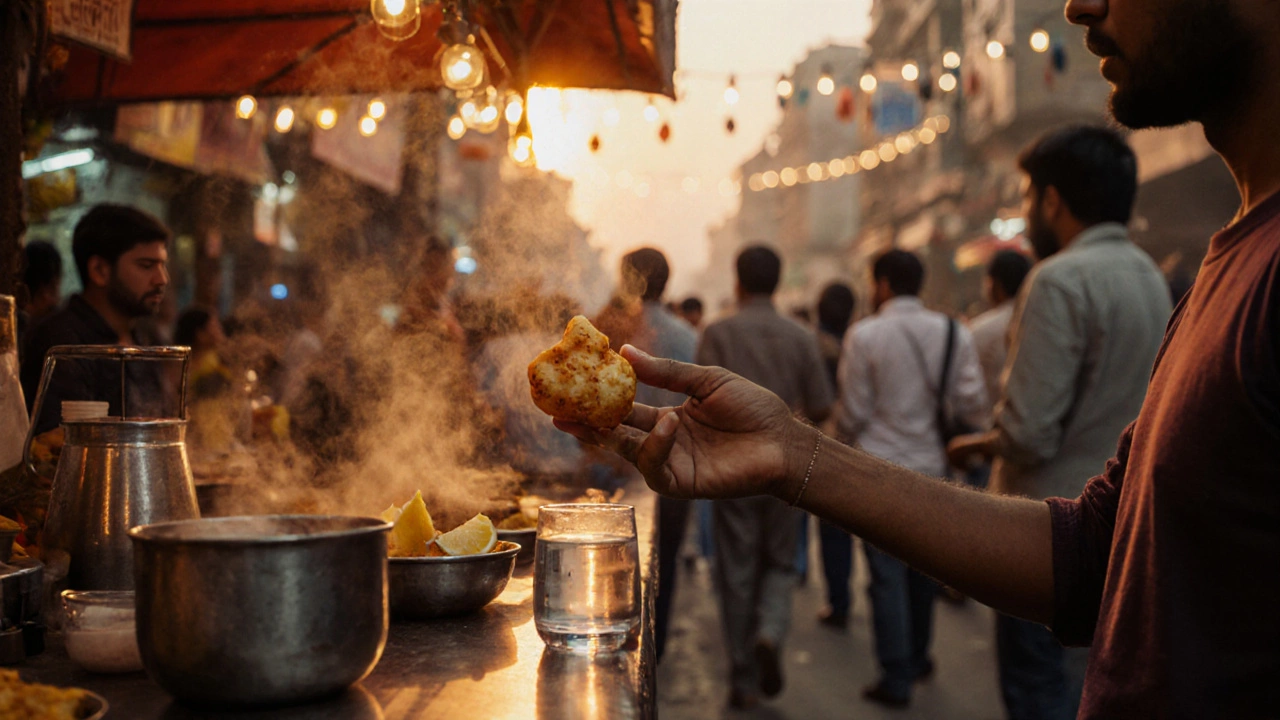
Why Is the Left Hand Considered Unclean in India? A Cultural Guide to Eating Street Food
Discover why the left hand is considered unclean in India and how this cultural norm shapes the way people eat street food. Learn the history, practical tips, and deeper meaning behind this widespread tradition.