Hand Hygiene India: Why Clean Hands Matter in Indian Kitchens and Homes
When it comes to hand hygiene India, the practice of cleaning hands to prevent disease spread, especially in food preparation and daily routines. Also known as handwashing practices, it's not just a modern health tip—it's a quiet cornerstone of Indian households, from bustling Mumbai kitchens to quiet Tamil Nadu villages. In homes where food is made by hand, shared from a single plate, and eaten without utensils, clean hands aren't optional. They’re the first line of defense against illness. A 2022 study by the Indian Council of Medical Research found that proper handwashing before cooking reduced gastrointestinal infections in families by nearly 40%. That’s not a small number—it’s the difference between a healthy meal and a week spent sick.
Many people think hand hygiene is just about soap and water, but in India, it’s deeper than that. It’s tied to food safety India, the set of practices that ensure food doesn’t carry harmful bacteria or viruses from person to plate. Think about how often someone touches raw meat, then spices, then dough—all without washing. That’s where contamination starts. It’s also linked to germ prevention, the active steps taken to stop microbes from spreading in homes, markets, and public spaces. In cities like Delhi or Chennai, where street food is a way of life, vendors who wash hands before handling chutneys or wrapping dosas see fewer complaints and repeat customers. And it’s not just about illness—it’s about trust. People notice when the person serving them has clean hands.
There’s also the cultural side. In many Indian homes, washing hands before meals isn’t just routine—it’s ritual. Before touching roti or eating from a thali, hands are washed with water, sometimes even with neem leaves or turmeric paste. These aren’t just old habits—they’re smart ones. Turmeric has natural antimicrobial properties. Neem has been used for centuries to cleanse skin and surfaces. Modern science is catching up to what tradition already knew: clean hands protect health. And in kitchens where spices are ground fresh, oils are heated, and dough is kneaded by hand, a single dirty finger can ruin a batch of idli batter or contaminate a pot of sambar.
Hand hygiene India isn’t just about avoiding sickness—it’s about preserving flavor, tradition, and family well-being. The posts below show you how this simple act connects to everything from making perfect dosa batter to storing leftover mithai safely. You’ll find real stories from home cooks, tips from street vendors, and science-backed advice that doesn’t ask you to change your culture—just improve it, one wash at a time.
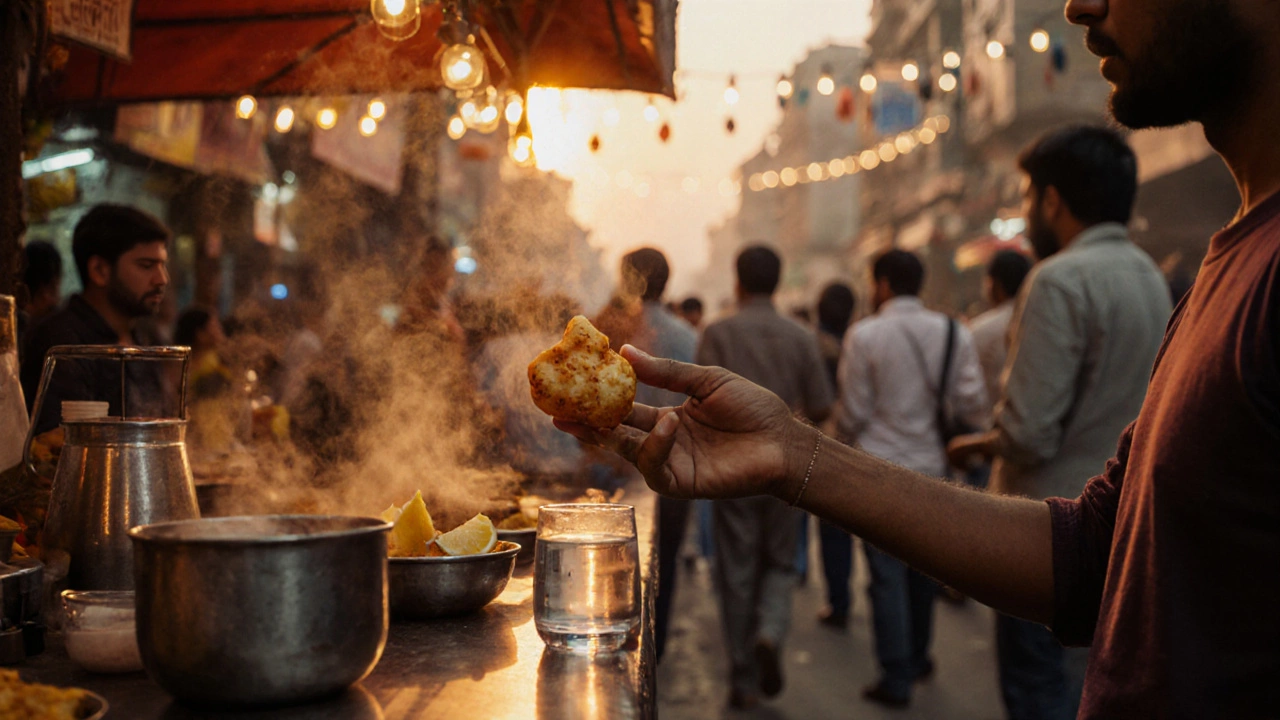
Why Is the Left Hand Considered Unclean in India? A Cultural Guide to Eating Street Food
Discover why the left hand is considered unclean in India and how this cultural norm shapes the way people eat street food. Learn the history, practical tips, and deeper meaning behind this widespread tradition.