Healthy Fasting Breakfast: Simple, Nutritious Ideas for Indian Kitchens
When you're fasting, your healthy fasting breakfast, a meal designed to nourish without overloading the body during periods of abstinence. Also known as fasting-friendly breakfast, it's not about skipping food—it's about choosing the right kind. In Indian homes, this means turning to ingredients that are light, digestible, and rooted in Ayurvedic wisdom: sabudana, singhada flour, rock salt, coconut water, and paneer. These aren't just substitutes for regular meals—they're intentional choices that keep energy steady and digestion calm. A healthy fasting breakfast doesn't need to be fancy. It needs to be smart. Many people think fasting means eating less, but the real goal is eating wisely. That’s why traditional Indian fasting foods like kuttu ki puri or rajgira paratha have lasted for generations—they’re packed with nutrients that don’t spike blood sugar, and they keep you full without weighing you down.
What makes a good Indian fasting food, dietary choices made during religious or health-based fasts, often avoiding grains and legumes. Also known as vrat food, it is commonly used during Navratri, Ekadashi, or personal health fasts isn’t just what’s allowed—it’s how it’s prepared. Using the right oil matters. As shown in posts about best oil for dosa, the type of fat used in cooking that affects crispness, flavor, and digestion. Also known as cooking oil for Indian snacks, it plays a key role in fasting dishes too, coconut and groundnut oils are preferred over heavy butter or processed alternatives because they’re easier on the stomach and burn cleanly. Same goes for paneer. While paneer is high in protein, it’s also easy to digest when lightly grilled or used in small amounts, making it a smart choice for fasting days. Tofu, on the other hand, is lower in fat but often comes with hidden oils when fried—something to watch out for if you’re trying to stay light. And don’t forget whey—the leftover liquid from making paneer. It’s rich in protein, hydrating, and often thrown away. Drinking it after fasting can help restore electrolytes without breaking your fast.
It’s not just about what you eat—it’s about how your body responds. A healthy fasting breakfast should leave you feeling clear-headed, not sluggish. That’s why simple recipes like sabudana khichdi or fruit with nuts beat heavy, fried snacks. The same logic applies to roti and naan. As posts on roti vs naan, a comparison of two common Indian flatbreads based on ingredients, nutrition, and digestibility. Also known as Indian flatbread nutrition, it highlights why roti made from whole wheat is a better choice than butter-laden naan show, whole grain roti is often the better option even outside fasting days. During fasts, when wheat is off-limits, alternatives like buckwheat or water chestnut flour become your allies. And if you’re wondering whether your fasting food is actually helping, ask yourself: does it give you energy, or do you crash by noon? That’s the real test.
There’s no one-size-fits-all fasting breakfast. What works for someone during Navratri might not suit a health fast for blood sugar control. But the core idea stays the same: choose whole, unprocessed, naturally occurring foods. Skip the packaged fasting snacks loaded with sugar and preservatives. Stick to what your grandmother used—simple, seasonal, and silent on the ingredient list. Below, you’ll find real recipes, smart swaps, and the hidden truths behind what makes a fasting meal truly nourishing—not just acceptable.
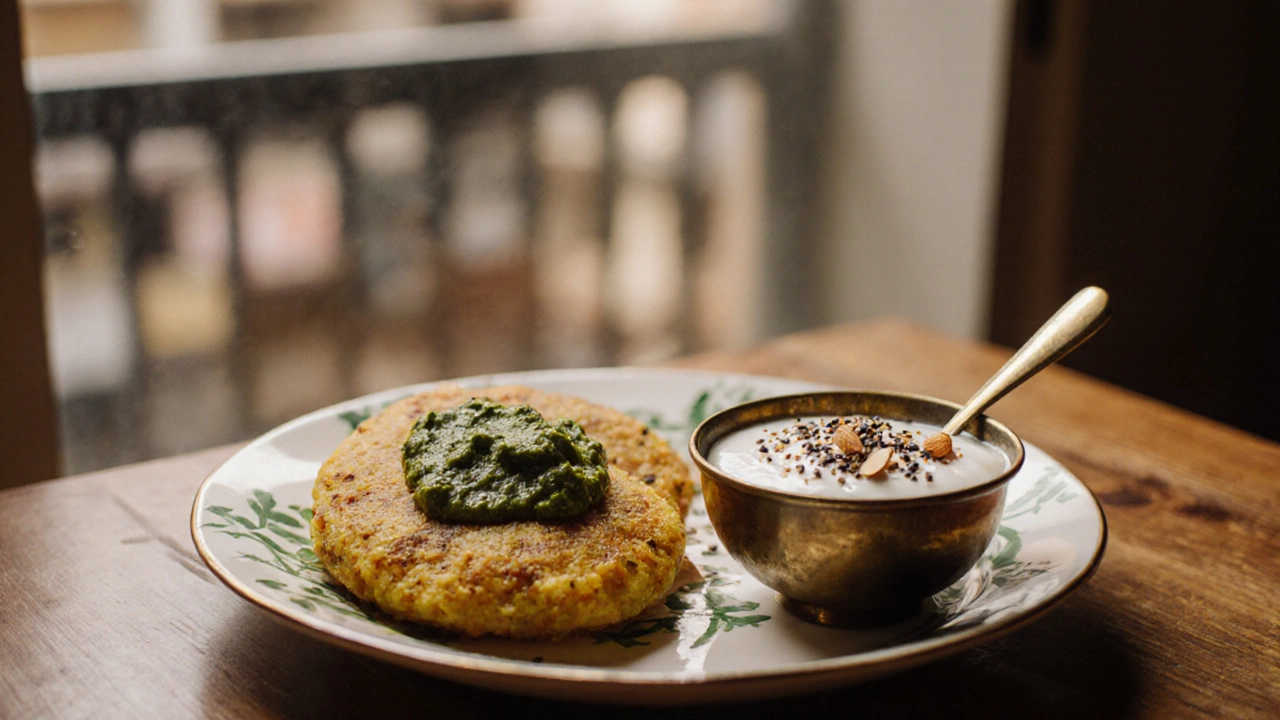
What Is the Best Breakfast After Fasting? Indian Options That Work
Discover the best Indian breakfast options after fasting that support energy, digestion, and fat burning-without sugar spikes. Simple, science-backed meals that fit Indian kitchens.