Healthy Roti Recipes, Tips & Nutrition Guide
When working with healthy roti, a nutrient‑rich flatbread made from whole grains and cooked with minimal oil. Also known as nutritious roti, it serves as a staple for anyone chasing a balanced diet. The foundation of healthy roti is whole wheat flour, a high‑fiber, protein‑packed flour that boosts satiety. For added nutrients you can swap in multi‑grain flour, a blend of millet, sorghum, and buckwheat that raises mineral content. Both flours create a dough that stays soft yet firm, perfect for quick meals. By choosing these grains you get a low‑glycemic profile, which helps keep blood sugar steady—a key benefit for anyone on a low‑carb or diabetic‑friendly plan.
Cooking tawa, a flat, seasoned iron skillet used across Indian kitchens is the traditional method that gives roti its signature puff and nutty crust. The heat distribution of a hot tawa ensures each side cooks evenly, preventing sogginess. A simple trick is to preheat the tawa to medium‑high, then roll the dough to a thin 6‑inch circle and press gently; the steam trapped inside creates the classic bubbles. This technique requires just a splash of oil or ghee at most, keeping the calorie count low while adding flavor. Once cooked, how you store the roti matters just as much as how you make it. Proper roti storage, wrapping in a clean kitchen towel and keeping in an airtight container preserves moisture and prevents the dreaded dry texture. If you need to reheat later, a quick flash on the tawa or a few seconds in a microwave restores softness without sacrificing health benefits.
Nutrition‑wise, a single serving of healthy roti supplies about 80‑100 calories, 3‑4 grams of protein, and 2‑3 grams of fiber when made with whole wheat. Adding a tablespoon of ground flaxseed or chia seeds boosts omega‑3 fatty acids, which support heart health. For a protein punch, stir in a scoop of soy flour or besan (gram flour). These tweaks keep the carb load in check while enriching the micronutrient profile, making the roti suitable for weight‑loss plans or active lifestyles.
Pairings matter because they can either complement or offset the roti’s health benefits. Fresh vegetable sambar, low‑oil lentil dal, or a simple cucumber‑tomato raita add vitamins, minerals, and probiotics without inflating the fat count. If you crave a touch of indulgence, spread a thin layer of homemade avocado mash; the healthy fats enhance satiety and give a creamy contrast to the grainy flatbread. Remember, the goal is balance: a nutritious roti paired with vibrant sides creates a complete, satisfying meal.
Common mistakes to avoid include using too much water, which makes the dough sticky and hard to roll, and cooking on low heat, which leaves the roti dense and bland. Always aim for a smooth, pliable dough and a hot tawa; this combo yields a roti that puffs up, stays soft, and retains its nutritional edge. With these pointers in mind, you’re ready to experiment with sweet or savory variations—think cinnamon‑spiced roti for breakfast or spinach‑infused dough for a veggie boost.
Now that you know the basics of building a truly healthy roti, from grain choices to cooking tricks and storage hacks, scroll down to explore our curated collection of articles. You’ll find step‑by‑step recipes, deep‑dive nutrition guides, and practical tips that turn every roti into a tasty, guilt‑free staple.
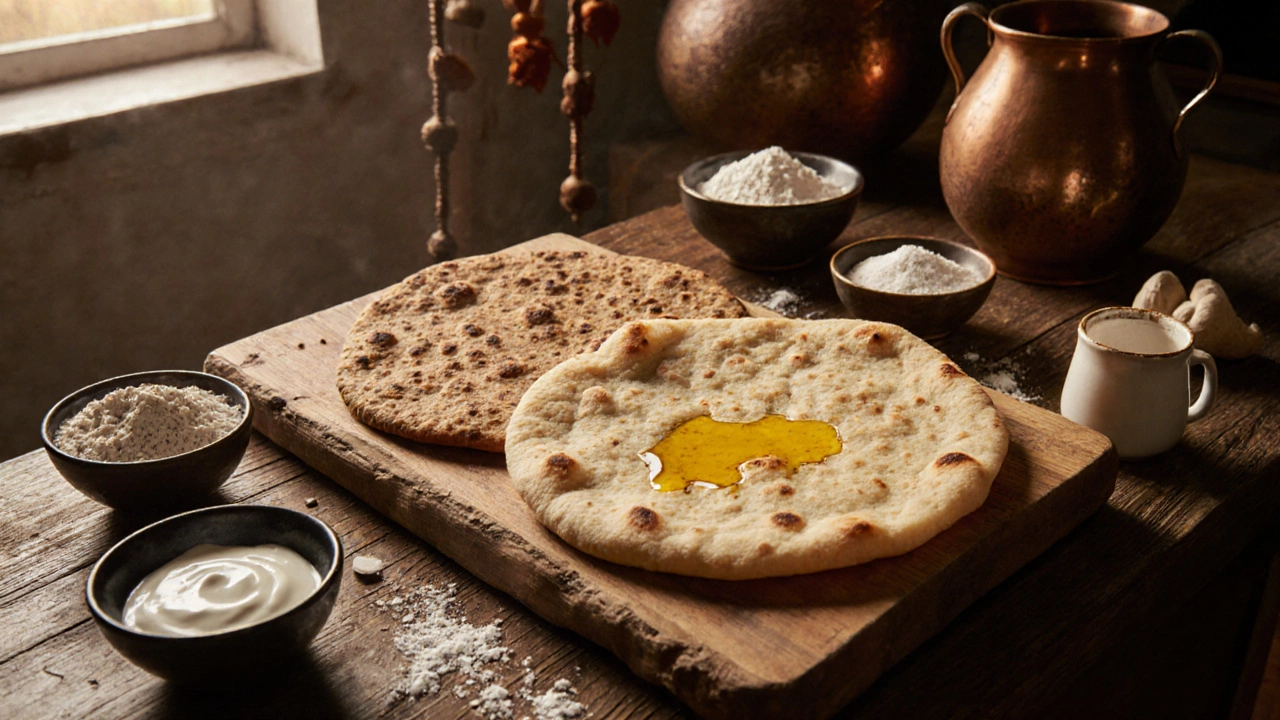
Roti vs Naan: Which Is Healthier?
Discover which Indian flatbread-roti or naan-is healthier. Compare ingredients, nutrition, and smart cooking tips to make the best choice for your diet.