How Long to Soak Rice? Your Simple Guide to Perfect Indian Meals
If you’ve ever wondered why some rice turns mushy while other batches stay firm, the answer often starts with soaking. Soaking rice softens the grains, reduces cooking time, and helps the batter for idli or dosa become airy. Below you’ll see exactly how long to soak different types of rice and a few shortcuts that save you time.
Why Soak Rice at All?
When you soak rice, the grains absorb water and swell. This does three things: it makes the rice cook more evenly, it cuts down the heat needed, and it releases starch that can make batter lighter. For South Indian dishes like idli and dosa, a good soak creates the perfect fermentation environment. For biryani, soaking helps each grain stay separate and fluffy after the long cook.
Best Soaking Times for Common Indian Rice
Parboiled or Sona Masoori rice (used for plain rice or biryani): 30‑45 minutes in warm water is enough. Anything longer can make the grains too soft and they may break during the final cooking step.
Idli rice (often a mix of parboiled and regular rice): Aim for 4‑6 hours or overnight if you plan to ferment. Longer soaking lets the starch break down, giving you a smooth batter that rises well.
Old‑mill or brown rice (for healthier options): These need 1‑2 hours of soaking. The tougher bran layer takes more time to hydrate, so a short soak won’t do much.
Short‑grain rice (used in sweets or payasam): 20‑30 minutes is fine. Over‑soaking can make the rice turn gummy, which you don’t want in a dessert.
Here’s a quick cheat sheet you can keep on the fridge:
- 30‑45 min: Parboiled/Sona Masoori for biryani or plain rice.
- 4‑6 hr (or overnight): Idli/dosa rice.
- 1‑2 hr: Brown/old‑mill rice.
- 20‑30 min: Short‑grain rice for sweets.
Tip: Use warm water (about 40‑45 °C) for most rice. Warm water speeds up absorption without cooking the grain.
Another pro tip is to add a pinch of salt or a splash of lemon juice while soaking. The tiny amount of acid helps break down the outer layer, giving you softer rice faster.
After soaking, always drain the water completely. Excess water can dilute flavors or make batter too thin. For idli batter, grind the soaked rice with urad dal until smooth, then let it ferment for 8‑12 hours.
When you’re ready to cook, use a 1:1.5 rice‑to‑water ratio for parboiled rice and a 1:2 ratio for regular rice. Since the grains have already taken up water, you’ll notice the cooking time drops by about 5‑7 minutes.
In a hurry? Fast‑soak method: rinse rice, then microwave it on high for 2‑3 minutes with a cup of water. Let it sit for 5 minutes before draining. This gives you a quick soak for everyday meals, but it’s not ideal for idli fermentation.
Remember, the goal isn’t just a specific number of minutes—it’s a balance between grain type, water temperature, and the dish you’re making. Play with the times a bit, and you’ll quickly learn what works best for your kitchen.
Now that you know how long to soak rice for different dishes, you can skip the guesswork and enjoy consistently perfect results. Happy cooking!
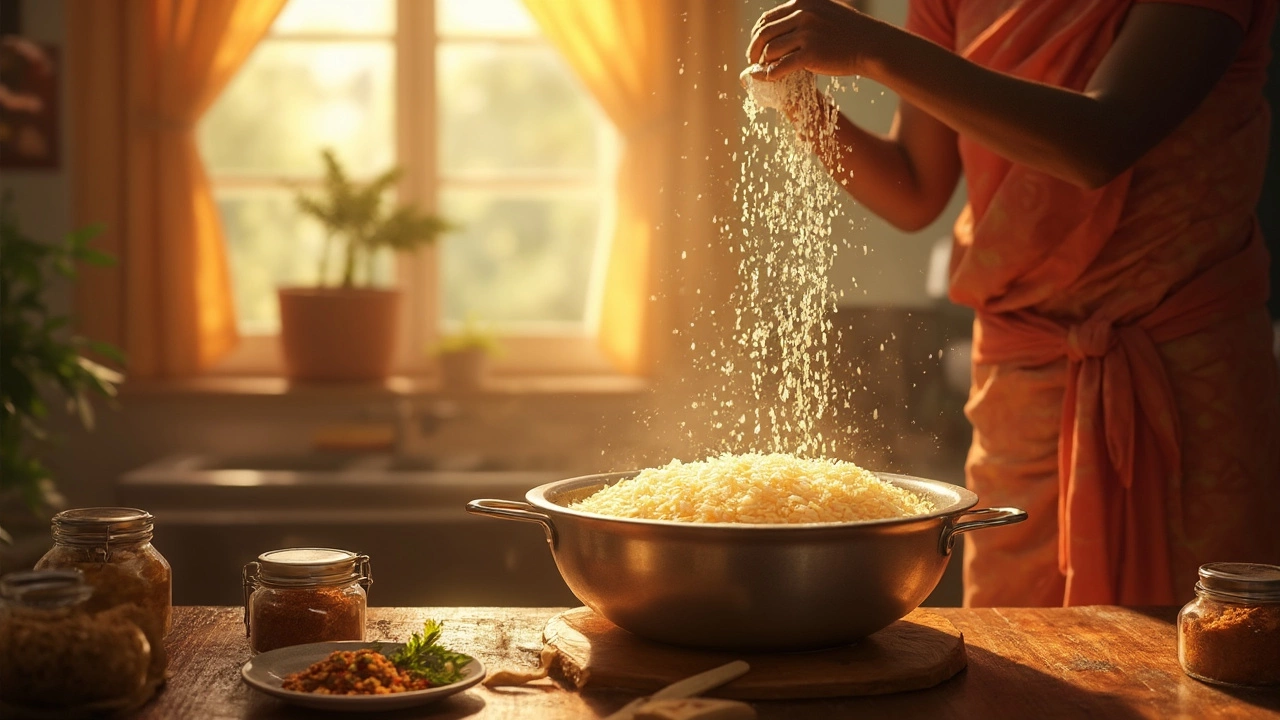
How Long Should I Soak Basmati Rice for Biryani?
Getting that perfect pot of biryani really comes down to how you treat your basmati rice. This article explains exactly how long you should soak basmati rice before using it in biryani, and why this step makes such a big difference. You'll find practical tips, real kitchen advice, and answers to the most common mistakes. Discover how soaking time affects texture and flavor, and learn the little tweaks that help you serve the fluffiest biryani on the block. No complicated science—just clear, everyday cooking wisdom.