How to Make Soft Roti: Easy Tips for Fluffy, Perfect Roti Every Time
When you’re trying to make soft roti, a traditional Indian flatbread made from whole wheat flour, water, and a pinch of salt. Also known as chapati, it’s the daily bread in millions of Indian homes — simple, nourishing, and meant to be warm, pliable, and slightly puffed. But too often, roti turns out stiff, dry, or tough. Why? It’s not about the recipe. It’s about technique.
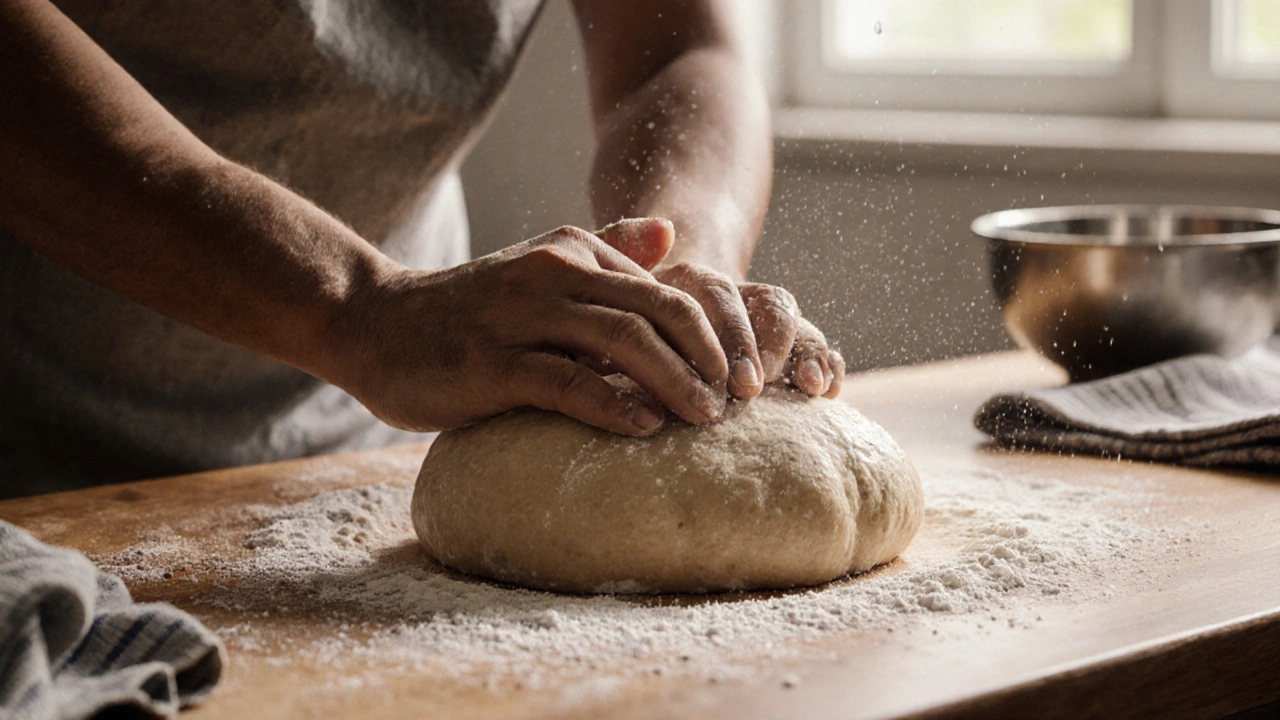
You don’t need fancy equipment. A roti tawa, a flat, heavy griddle used across India to cook flatbreads is all you need. But even with the right tool, the dough makes the difference. The flour matters — whole wheat flour, also called atta. It’s coarser than regular wheat flour and has more fiber, which helps the roti hold moisture. If your roti cracks when you roll it, your flour might be too fine or your dough too dry. Use cold water, not warm. Cold water keeps the gluten from tightening too fast. Knead the dough for at least 8 minutes. Yes, eight. It’s not about strength — it’s about letting the flour absorb water fully. A good dough should feel like your earlobe: soft, springy, not sticky.
Let the dough rest for 30 minutes. That’s non-negotiable. During that time, the gluten relaxes, and the starches hydrate. Skip this, and your roti will resist rolling. When you roll, don’t press hard. Use light, even pressure. If you see cracks forming, dust lightly with flour — but not too much. Too much flour on the surface burns and makes the roti gritty. Cook on medium heat. Too hot, and the outside chars before the inside puffs. Too low, and it turns rubbery. Flip it once. Press gently with a cloth or spatula when you see bubbles. That’s when steam builds inside and makes it puff up like a balloon. That puff? That’s your sign it’s done.
Keep them warm. Stack them in a clean kitchen towel right after cooking. The trapped steam keeps them soft for hours. Cold roti is hard roti. Reheat on the tawa for 10 seconds per side if needed. No microwave. No oven. Just the tawa. And don’t store them in plastic unless they’re completely cool — condensation turns them soggy.
What makes roti soft isn’t butter or oil. It’s patience. It’s knowing when to knead, when to rest, when to flip. This isn’t magic. It’s rhythm. And once you get it, you’ll never buy store-bought again.
Below, you’ll find real tips from home cooks who’ve nailed this — from flour blends that work in humid climates, to fixing dry dough in seconds, to why some swear by adding a teaspoon of yogurt. You’ll also see how to keep roti from getting soggy, how it compares to naan, and what to do when your roti won’t puff. No fluff. Just what works.
Why Are My Rotis Not Soft? 7 Common Mistakes and How to Fix Them
Soft rotis aren't magic-they're the result of the right dough, proper resting, and correct cooking. Learn the 7 common mistakes that make rotis hard and how to fix them for perfect, fluffy rotis every time.