Indian Breakfast Fasting
When people talk about Indian breakfast fasting, a practice where meals are skipped or limited during morning hours for spiritual, cultural, or health reasons. Also known as vrat breakfast, it's not just about going hungry—it's about choosing the right foods that align with tradition, energy needs, and religious beliefs. In many parts of India, especially in Tamil Nadu, Karnataka, and Maharashtra, fasting isn't a full day without food. It’s often about skipping grains, onions, garlic, or even salt during morning hours, while still eating something light and nourishing. This isn’t a modern diet trend—it’s been done for centuries, rooted in Ayurveda, temple rituals, and family habits.
What you eat during Indian breakfast fasting depends on your reason for fasting. If you’re fasting for a religious vow like Ekadashi or Navratri, you might eat sabudana khichdi, kuttu ki roti, or singhara atta parathas—foods made from water chestnut flour, buckwheat, or tapioca pearls. These aren’t just substitutes—they’re staples with deep cultural meaning. If you’re fasting for health, you might stick to fruits, nuts, and coconut water, avoiding processed sugars. The key is knowing what’s allowed: no wheat, no rice, no lentils, and often no onion or garlic. But you can still eat dairy like milk, yogurt, and paneer, which are considered pure and grounding in Ayurvedic practice.
Many people confuse fasting with starvation. But in India, fasting meals are carefully designed to keep energy steady. A bowl of soaked sabudana with lemon and peanuts gives slow-releasing carbs. Roasted makhana with a dash of rock salt keeps you full without triggering digestion. Even a simple glass of ginger-lemon-honey water is considered a fasting-friendly drink in many households. These aren’t random choices—they’re based on centuries of observation about how the body reacts to different foods during periods of reduced intake.
What you avoid matters as much as what you eat. Skipping wheat and rice isn’t about restriction—it’s about honoring tradition. Many believe these grains are too heavy for morning fasting, especially during religious observances. That’s why you’ll find people eating potatoes, amaranth, or buckwheat instead. Even the oil used for cooking matters. Coconut oil and groundnut oil are preferred over mustard or sesame in many fasting recipes because they’re seen as lighter and more sattvic.
If you’ve ever tried fasting and felt weak or dizzy by mid-morning, it’s likely you didn’t eat the right things. Fasting isn’t about eating less—it’s about eating smarter. The real challenge isn’t skipping breakfast; it’s knowing what to replace it with. And that’s where the wisdom of South Indian kitchens shines. They’ve perfected the balance between ritual and nutrition, so you stay energized without breaking your fast.
Below, you’ll find real recipes, common mistakes, and cultural insights that show how Indians manage fasting without giving up flavor or function. Whether you’re fasting for faith, health, or curiosity, these posts will help you do it right—without feeling deprived.
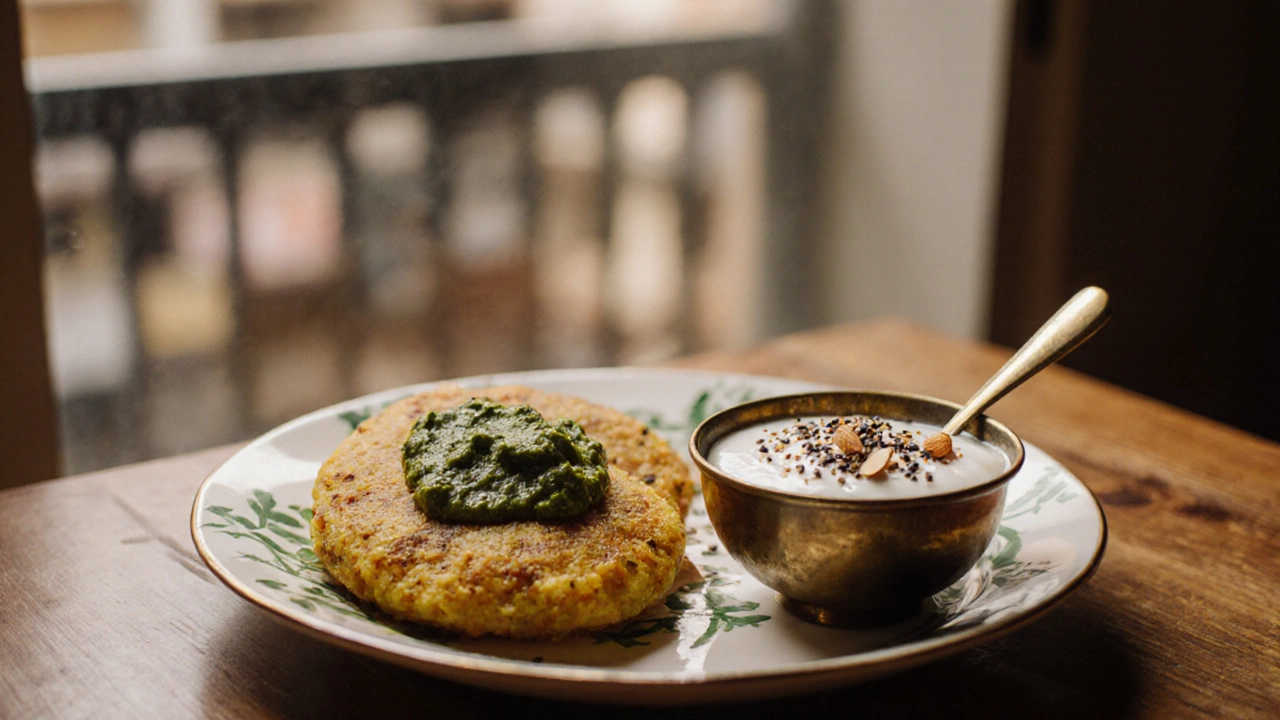
What Is the Best Breakfast After Fasting? Indian Options That Work
Discover the best Indian breakfast options after fasting that support energy, digestion, and fat burning-without sugar spikes. Simple, science-backed meals that fit Indian kitchens.