Indian Dining Customs: Etiquette, Traditions, and What Really Matters at the Table
When you sit down to eat in India, you're not just having a meal—you're taking part in a Indian dining custom, a set of cultural practices around eating that vary by region, religion, and family, often rooted in centuries-old beliefs about purity, respect, and community. Also known as Indian eating etiquette, these traditions guide everything from how you use your hands to which dish comes first. It’s not about being rigid—it’s about understanding why people do what they do.
One of the most talked-about rules is the use of the left hand, traditionally considered unclean in many parts of India because it’s used for personal hygiene. Also known as left hand taboo, this isn’t just about dirt—it’s about respect. Eating with your right hand shows you’re mindful of others, especially when sharing food from a common plate. You’ll see this in homes, street stalls, and even high-end restaurants across South India, where meals are often eaten on the floor or low tables. Skip the fork if you want to eat like a local. Then there’s the way food is served: rice first, then curry, then chutney. Why? Because each bite builds flavor gradually, like layers in a song. And in many households, you never start eating until the eldest person does. It’s not about age—it’s about honoring the rhythm of the family.
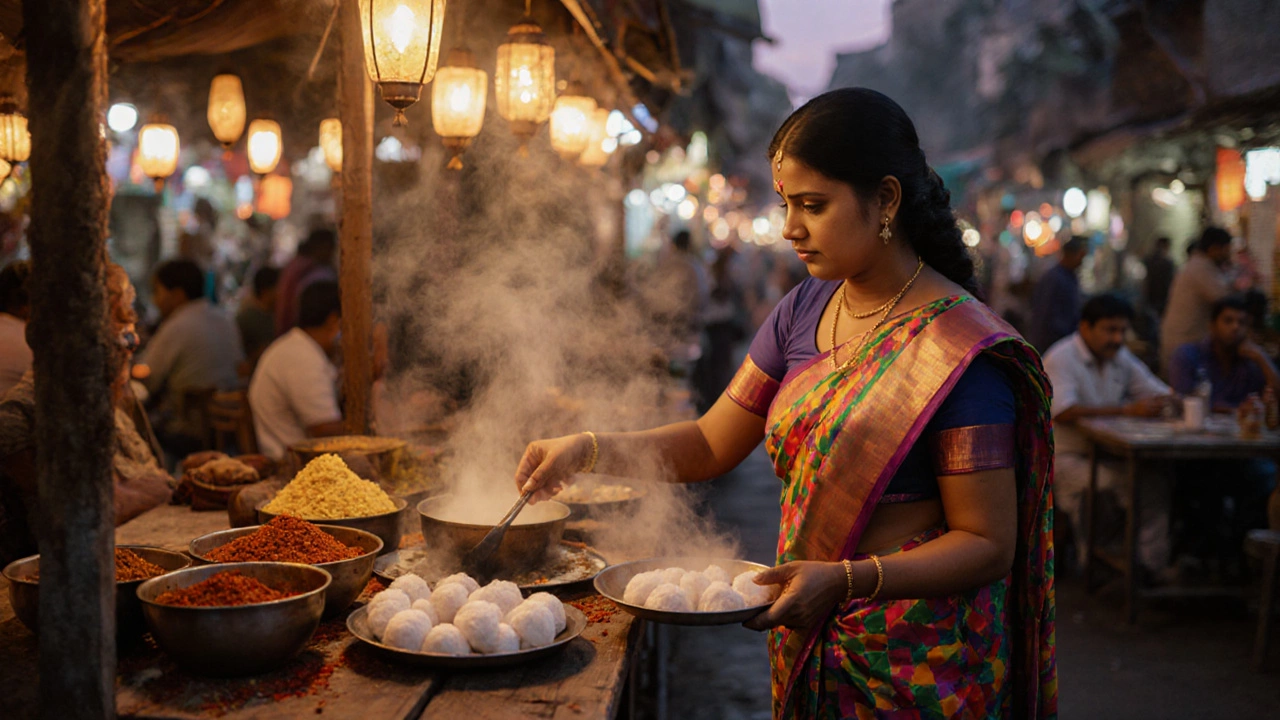
These customs aren’t just old habits—they’re alive. In Kerala, people eat banana leaf meals with their fingers, savoring the earthy taste of the leaf itself. In Tamil Nadu, it’s common to mix rice and sambar with your fingers to get the perfect bite. Even in cities, you’ll find families who still serve meals on thalis—steel plates with small bowls for every side—because they believe food tastes better when everything is connected. These aren’t random rituals; they’re sensory experiences shaped by climate, religion, and generations of practice.
You’ll also notice how food is tied to belief. Jains avoid root vegetables because pulling them up kills the plant. Hindus often skip meat on certain days. Muslims and Christians have their own rules around halal or fasting meals. These aren’t just dietary choices—they’re part of how identity is lived at the table. And that’s why Indian dining customs can’t be boiled down to a checklist. They’re about presence, patience, and paying attention.
Below, you’ll find real stories and practical guides from people who live these customs every day. Learn why the left hand matters, how to eat street food without breaking tradition, what oils are used in ritual meals, and how even something as simple as roti or dosa ties into deeper cultural patterns. No theory. No guesswork. Just what works—and why.
What Not to Eat in India: Common Mistakes and Cultural Missteps
Avoid cultural missteps in India by learning what not to eat-beef, raw street fruit, or Westernized 'Indian' dishes. Respect local customs around hands, fasting, and food waste to truly experience Indian cuisine.