Indian Food Etiquette: Rules, Customs, and What Really Matters at the Table
When you eat in India, Indian food etiquette, the unwritten rules that guide how people eat, share, and respect food across homes and streets. It's not about fancy rules—it's about cleanliness, respect, and tradition tied to daily life. You won't find a fork at many tables, and that’s not because there aren’t any—it’s because the right hand is the only one meant for eating. The left hand? It’s for other things. This isn’t about judgment—it’s about practicality. For generations, people have washed their hands before meals and used their fingers to feel the texture of rice, scoop up curry, and break bread. That connection between hand and food is sacred, not strange.
Eating with hands, a deeply rooted practice across South Asia where food is touched, mixed, and tasted directly. Also known as finger eating, it’s how most people in rural and urban India experience their meals—whether it’s a simple roti with dal or a spicy biryani at a wedding. This isn’t just tradition; it’s sensory. Your fingers tell you if the rice is warm enough, if the chutney is too sharp, if the yogurt is just right. And when you’re done, you wash your hands. Not because it’s polite—it’s because it’s necessary. The left hand unclean, a cultural norm where the left hand is reserved for personal hygiene and never used for eating or handling food isn’t superstition—it’s hygiene. In homes, markets, and roadside stalls, people use their left hand for wiping, holding bags, or touching their feet. Mixing the two? That’s a big no. Even if you’re a guest, you’ll be shown how to use your right hand. No one will scold you, but they’ll notice if you forget.
Indian dining customs, the shared practices around seating, serving, and sharing food that reflect family structure and social values are just as important. You don’t start eating until the eldest sits down. You don’t leave food on your plate—it’s wasteful. You eat what’s served, even if it’s spicy. And if someone offers you more? Saying no is fine, but saying "no thanks" with a smile matters more than the word itself. These aren’t rigid laws. They’re rhythms. They’re how families stay close, how strangers become friends, and how food becomes more than fuel.
You’ll find all this in the posts below—real stories from kitchens, street corners, and family dinners. Some explain why the left hand is avoided. Others show how to eat biryani without making a mess. A few even tell you what to do if you’re handed a roti and don’t know where to start. This isn’t about perfection. It’s about understanding. Whether you’re visiting India, cooking Indian food at home, or just curious about how people eat across cultures, these guides give you the real deal—not the tourist version. No fluff. No assumptions. Just what works, what matters, and why it’s done that way.
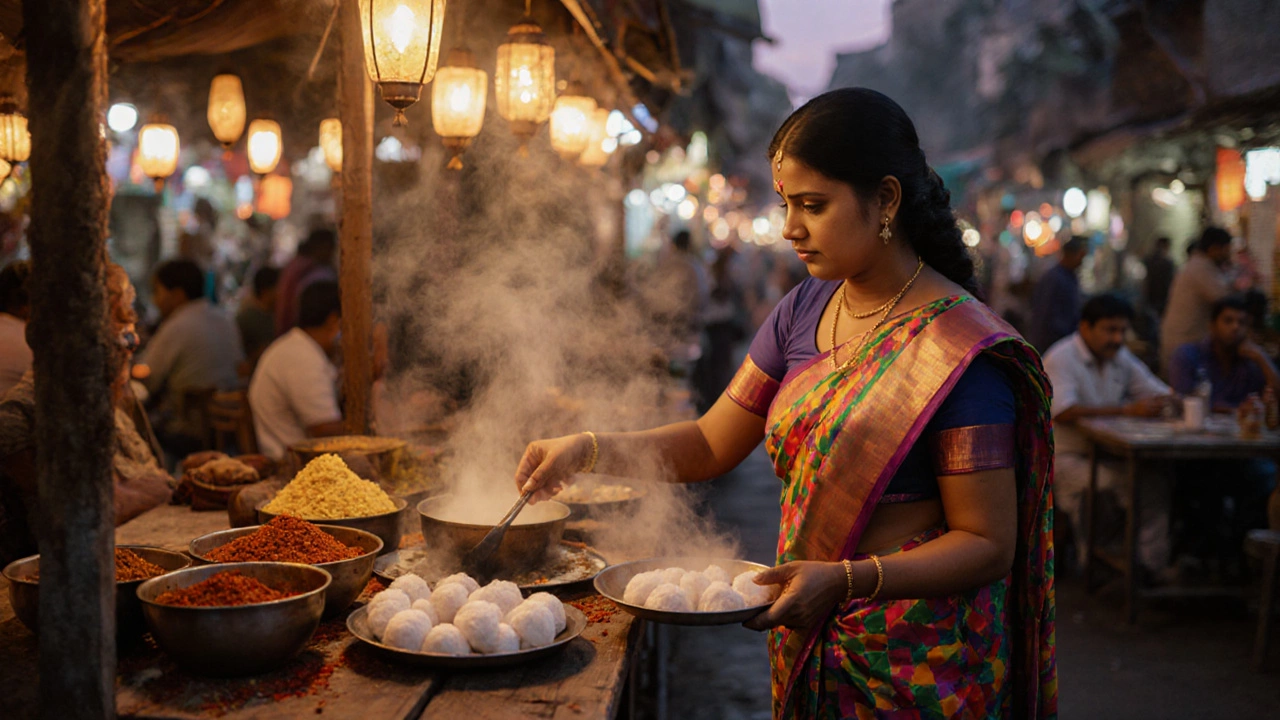
What Not to Eat in India: Common Mistakes and Cultural Missteps
Avoid cultural missteps in India by learning what not to eat-beef, raw street fruit, or Westernized 'Indian' dishes. Respect local customs around hands, fasting, and food waste to truly experience Indian cuisine.