Vegetarianism in Indian Religions
When exploring Vegetarianism in Indian Religions, the practice of avoiding meat driven by spiritual doctrines that originated on the Indian subcontinent. Also known as Indian religious vegetarianism, it influences daily meals, festival menus and even how families shop for groceries.
Key faiths shape this tradition. Hinduism, the largest Indian religion that promotes ahimsa, or non‑violence, as a core value often encourages lacto‑vegetarian dishes. Jainism, a strict sect that extends ahimsa to all living beings, resulting in an almost total exclusion of animal products takes the rule further, banning root vegetables too. Buddhism, especially the Theravada and Mahayana traditions, recommends compassionate eating that frequently translates into vegetarian meals adds a philosophical layer to food choices. Together they create a culinary landscape where spices, legumes and grains become stars.
Vegetarianism in Indian Religions isn’t just a diet; it’s a lifestyle rooted in the principle of ahimsa, which means “non‑harm.” This principle drives everything from the prohibition of meat at religious ceremonies to the blessing of offering sweets as prasad. The belief that every creature carries a soul makes the act of cooking itself a mindful practice, often beginning with a prayer or a moment of gratitude.
How Faith Shapes Everyday Meals
In Hindu households, the kitchen may have a separate area reserved for vegetarian cooking, ensuring no cross‑contamination with meat. Common staples include dal, rice, roti, and spiced vegetable curries. Jain families avoid onions, garlic, and all root vegetables because pulling them up kills the plant and its surrounding microbes. This leads to creative substitutes like hing (asafoetida) for flavor and grated carrots for texture. Buddhist monastic kitchens often serve simple millets, lentil soups, and seasonal greens, reflecting a commitment to modesty and sustainability.
Festivals highlight the vegetarian ethos. During Navratri, many Hindus follow a strict fruit‑and‑nut diet, while Jain Paryushan calls for a month‑long fast with only boiled vegetables. Buddhist Vesak celebrations frequently include vegetarian feasts that symbolize compassion for all beings. These events reinforce community bonds and demonstrate how religious guidelines translate into shared meals.
Health benefits are another side effect of these practices. Studies from Indian medical schools show that long‑term vegetarians have lower cholesterol and reduced risk of heart disease. The high intake of fiber from legumes and whole grains, combined with antioxidant‑rich spices like turmeric and cumin, creates a nutritionally dense diet. Modern nutritionists often cite Indian religious vegetarianism as a model for balanced eating without sacrificing flavor.
Modern India sees a blend of tradition and innovation. Urban kitchens now experiment with plant‑based meat alternatives, yet still respect the underlying ethos of ahimsa. Restaurants across the country label dishes as “lacto‑vegetarian” or “vegan” to cater to both devout followers and health‑conscious diners. Social media influencers share quick recipes for dosa batter enriched with fenugreek – a trick that boosts fermentation while keeping the dish fully vegetarian, as highlighted in our recent post.
Understanding the link between religion and food helps travelers navigate Indian menus. When you ask for a “vegetarian” dish in a restaurant, most chefs will automatically apply Hindu or Jain guidelines, omitting meat, fish, and eggs. If you need a stricter Jain meal, mention “Jain‑type” to avoid root vegetables. This knowledge saves time and ensures you respect local customs.
Below you’ll find a curated collection of articles that dive deeper into these topics – from the science behind fenugreek in dosa batter to the cultural meaning of sweets in Hindu rituals. Each post offers practical tips, historical context, and easy‑to‑follow recipes that bring the spirit of Indian religious vegetarianism into your kitchen.
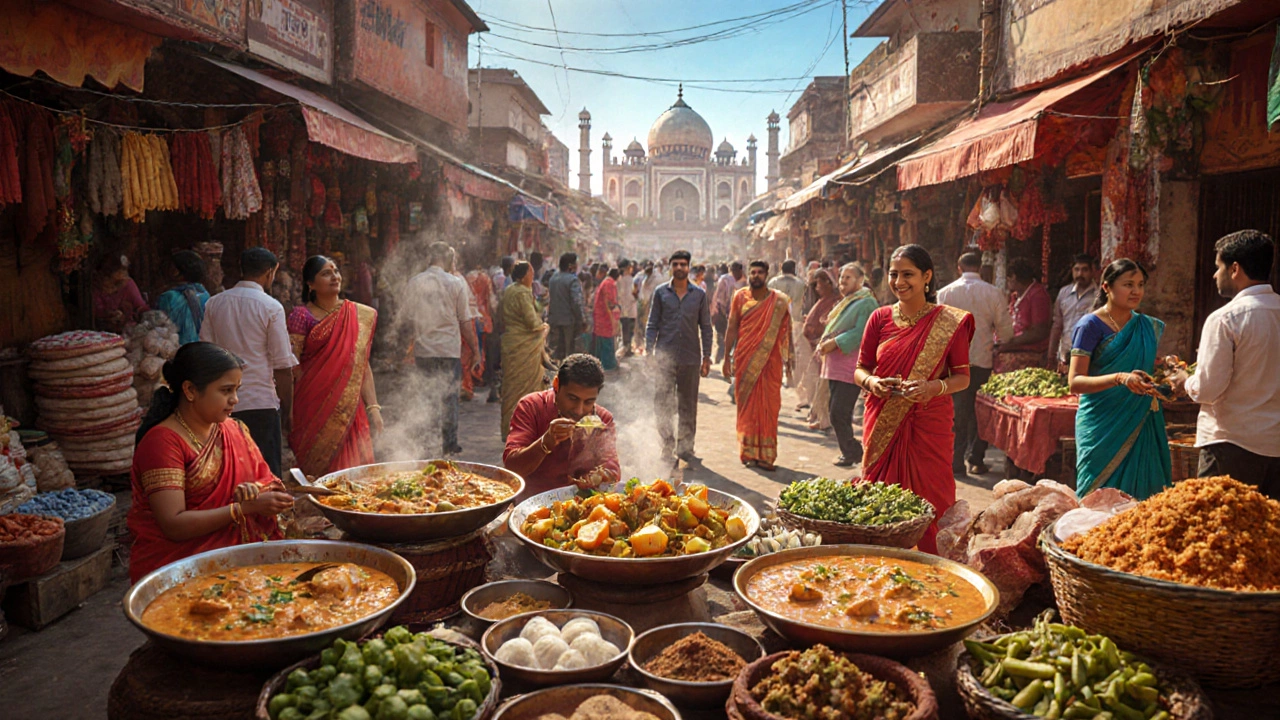
Which Indian Religion Is the Most Vegetarian?
Explore which Indian religion embraces vegetarianism the most, with stats, core beliefs, and typical dishes for each faith.