Indian Staple Food – The Heart of Everyday Cooking
When talking about Indian staple food, the core dishes that form the base of everyday meals across India. Also known as basic Indian fare, it shapes breakfast, lunch, and dinner for millions. You’ll hear the words "dal," "rice," and "roti" pop up in every kitchen, and that’s no accident. These foods are more than just items on a plate – they’re cultural anchors, nutrition powerhouses, and the glue that holds regional cuisines together.
Why Dal, Rice, and Roti Matter
Let’s start with dal, a family of spiced lentil soups that deliver protein and fiber. In many homes dal is the go‑to source of plant‑based protein, especially for vegetarian households. It pairs perfectly with rice or roti, creating a balanced meal without needing meat.
Next up, rice, the versatile grain that provides quick energy and a neutral canvas for bold flavors. Whether it’s fluffy basmati, fragrant jasmine, or the humble short‑grain variety, rice shows up on plates from the South’s idli‑studded breakfasts to the North’s hearty biryanis.
And we can’t forget roti, the whole‑wheat flatbread that’s rolled thin, cooked on a hot tawa, and used to scoop up curries. Roti’s simplicity makes it a daily staple in many households, and it offers a fiber boost compared to white flour breads.
The three together illustrate a key semantic triple: Indian staple food encompasses dal, rice, and roti. This trio also shows the relationship – dal provides protein, rice supplies carbs, and roti adds fiber. Together they meet the nutritional requirements of a typical Indian diet without relying on meat.
Beyond the basics, staple foods adapt to regional quirks. In the South, idli and dosa are steamed or fermented rice‑lentil cakes that double as breakfast staples. In the West, parathas – layered flatbreads stuffed with veggies – serve a similar role. Each variation respects the same core idea: a simple base that carries sauces, pickles, and spices.
Cooking methods also tie these staples together. Fermentation, for example, is crucial for dosa and idli batter; the same biological process can improve the digestibility of dal. Likewise, the way you toast roti on a tawa affects its texture and flavor, just as a proper rice “fluff” comes from the right water‑to‑grain ratio and resting time.
Our collection below reflects this web of connections. You’ll find practical guides on boosting fermentation in dosa batter, low‑spice alternatives for sensitive palates, nutrition comparisons between roti and naan, and the cultural reasons behind vegetarian preferences in India. Each article zooms in on a piece of the staple puzzle while keeping the big picture in view.
Ready to dive deeper? Below you’ll discover tips, tricks, and tasty ideas that turn these everyday foods into standout meals, whether you’re a beginner or a seasoned cook looking for fresh angles. Let’s get started.
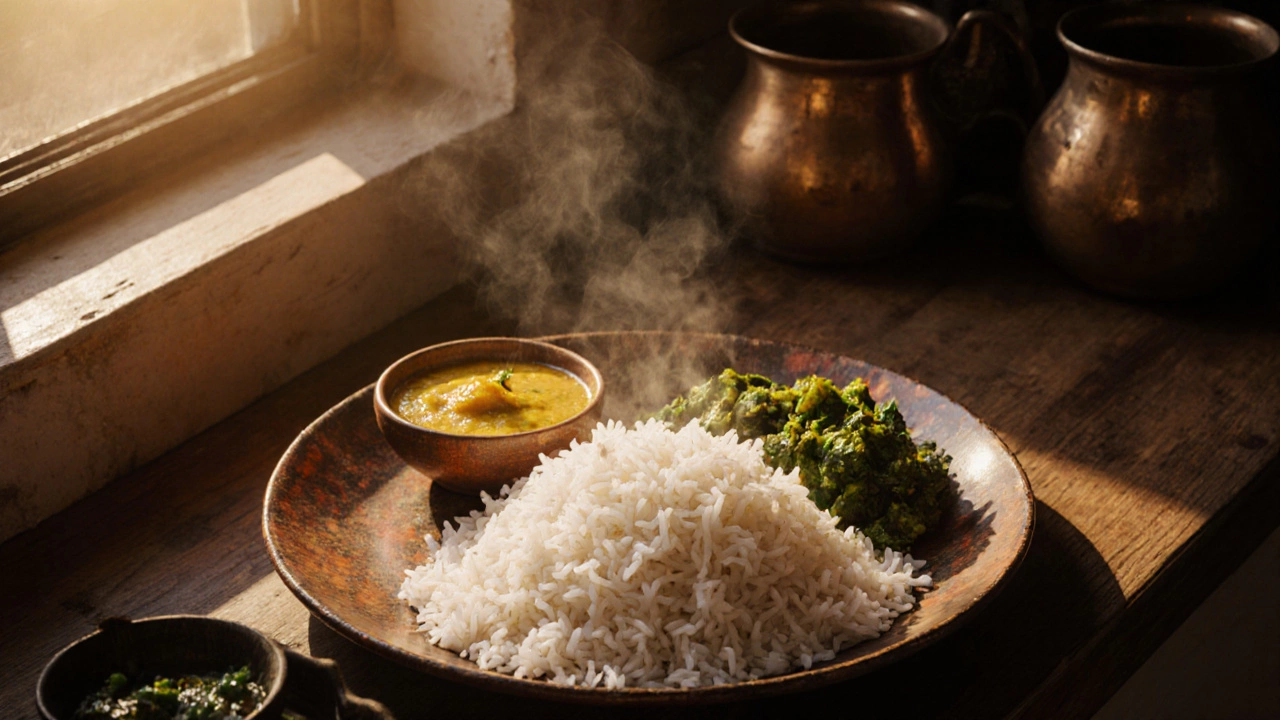
India's Most Consumed Food: What Indians Eat the Most
Discover why rice tops India's food consumption chart, how wheat fits in, regional preferences, health impacts, and simple cooking tips for everyday meals.