Indian Vegetarian Statistics
When exploring Indian vegetarian statistics, a collection of data that tracks how many Indians follow a vegetarian diet, the reasons behind it, and the impact on food consumption, also known as India's veggie numbers, you quickly see a bigger picture. It connects to vegetarianism in India, a cultural and religious practice that dates back centuries and influences everyday meals, to meat consumption in India, the amount of animal protein people actually eat, and to regional food diversity, the varied dishes that differ from state to state. These entities form a network: Indian vegetarian statistics encompass regional food consumption patterns; vegetarianism in India influences meat consumption trends; cultural factors shape dietary trends in Indian households.
Why These Numbers Matter
India holds the world’s largest vegetarian population, a fact that drives everything from market demand for legumes to the popularity of dishes like khichdi and dosa. Understanding the statistics helps cooks choose the right spices—like fenugreek, which boosts fermentation in dosa batter—or decide how to balance a mild dish like khichdi for those who prefer gentle flavors. It also explains why flatbreads such as roti often win over naan in health‑focused discussions, a topic many readers ask about when comparing nutrition.
Beyond the kitchen, the data reveals how economic and religious factors keep meat intake low. For instance, the preference for plant‑based proteins supports a thriving market for paneer whey and encourages recipes that turn leftover whey into nutritious drinks. Meanwhile, regional differences—like the love for spicy chutneys in the South or the milder dal preparations in the North—show how local taste buds affect the overall vegetarian share.
Our collection of articles taps into these insights. You’ll find a deep dive into why fenugreek is added to dosa batter, a guide to the mildest Indian dish (khichdi), and a side‑by‑side look at roti versus naan nutrition. There’s also a breakdown of why India eats so little meat, an explanation of how state‑wise food cultures influence traveler choices, and a look at the health impact of traditional sweets. Each piece adds a layer to the broader story told by Indian vegetarian statistics.
Whether you’re a beginner curious about basic Indian cooking, a health‑conscious foodie tracking weight‑loss friendly curries, or a traveler planning a culinary road‑trip, the numbers give you context. They tell you why certain spices dominate, why particular dishes dominate street stalls, and how modern trends are shifting the old patterns.
Below you’ll discover articles that turn raw data into practical tips—how to keep roti crisp, how to choose the best vinegar for chutney, and why turmeric often leads curry blends. Use these resources to turn statistics into actions in your own kitchen and daily menu planning.
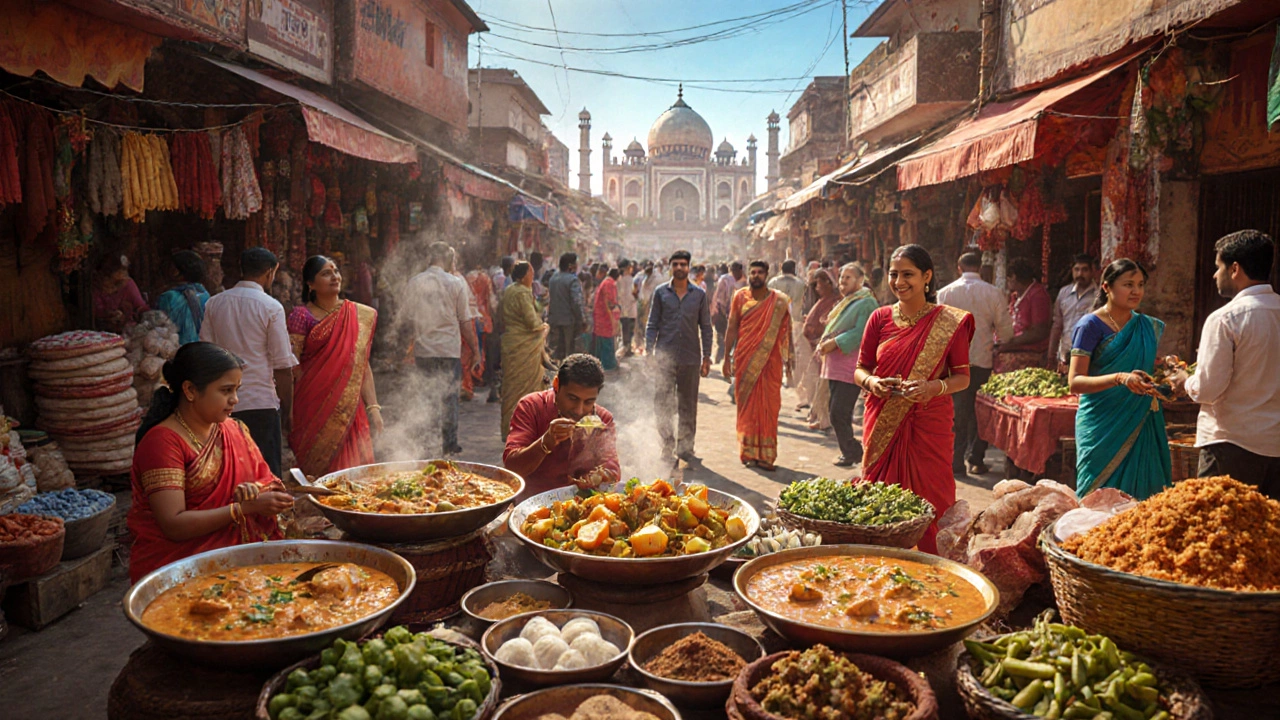
Which Indian Religion Is the Most Vegetarian?
Explore which Indian religion embraces vegetarianism the most, with stats, core beliefs, and typical dishes for each faith.