Left Hand Unclean India: Cultural Beliefs and Kitchen Practices
When you hear left hand unclean India, a deeply rooted cultural belief in South India that the left hand is used for personal hygiene and thus considered unfit for eating or handling food. Also known as left hand taboo, it’s not about dirt—it’s about ritual purity that’s been passed down for generations. This isn’t superstition. It’s practical hygiene turned into social code. In homes across Kerala, Tamil Nadu, and Karnataka, the right hand is reserved for eating, serving, and offering food. The left hand? It’s for the bathroom, cleaning feet, or handling waste. Mixing them? That’s a breach of respect.
This belief doesn’t just live in bathrooms. It shapes how food is prepared. In traditional kitchens, cooks wash their hands thoroughly before handling ingredients—but they also avoid touching anything with their left hand unless absolutely necessary. Even today, many elders will refuse to eat from a plate touched by someone who used their left hand to serve. And in temples, this rule is strict: no left-hand contact with prasad. It’s not about judging people—it’s about honoring a system that kept communities healthy before soap was common.
It’s easy to dismiss this as old-fashioned, but look closer. The same hands that are considered unclean are often the ones used to clean toilets, scrub floors, or handle waste. Separating them from food contact isn’t arbitrary—it’s a smart, low-tech way to prevent contamination. Modern science backs this up: fecal-oral transmission is a leading cause of illness in areas with poor sanitation. This tradition, born from survival, still makes sense.
And it’s not just about eating. In South Indian households, you’ll see people using their right hand to hand over money, accept gifts, or even turn on the stove. Some still use their right hand to stir pots, even if they’re left-handed. It’s not about dominance—it’s about consistency. When your whole family follows the same rule, there’s no confusion. No accidental contamination. No awkward moments.
Today, younger generations in cities might not follow this strictly. But in villages, in temples, in traditional homes—it’s alive. And if you’re cooking South Indian food, knowing this helps you understand why certain rituals exist. Why some grandmas won’t let you use the same spoon they used to taste the curry. Why serving food with the left hand can feel like an insult. It’s not about being rigid. It’s about respecting a system that kept people safe for centuries.
Below, you’ll find real stories and practical insights from kitchens across South India—how this belief affects cooking, serving, and even how people think about cleanliness. Whether you’re cooking for family, learning the culture, or just curious—you’ll see why this isn’t just tradition. It’s a quiet, powerful rule that still shapes meals today.
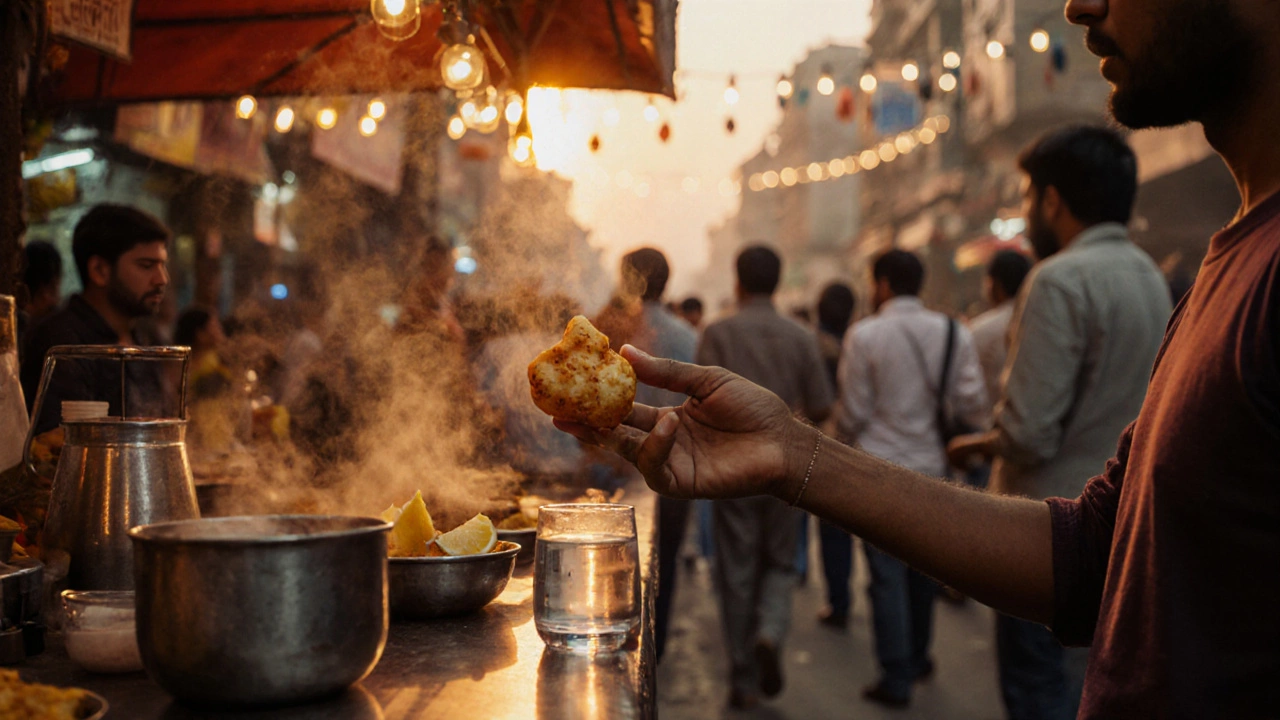
Why Is the Left Hand Considered Unclean in India? A Cultural Guide to Eating Street Food
Discover why the left hand is considered unclean in India and how this cultural norm shapes the way people eat street food. Learn the history, practical tips, and deeper meaning behind this widespread tradition.