Milk Safety: How to Keep Dairy Products Safe at Home
When working with Milk Safety, the practice of preventing harmful microbes, spoilage, and contamination in milk and dairy products. Also known as dairy safety, it is the backbone of healthy cooking and reliable nutrition.
Pasteurization, a heat‑treatment process that kills most pathogens while preserving flavor is the most common tool for achieving milk safety. By heating milk to a specific temperature for a set time, pasteurization dramatically lowers the risk of illnesses such as salmonella or listeria. This simple step creates a direct link: Milk Safety encompasses Pasteurization. If you skip it, you’re essentially betting on chance.
On the other side of the spectrum sits Raw Milk, unprocessed milk that has never been heated. While some enthusiasts tout its “natural” benefits, raw milk carries a higher bacterial load. Studies show that raw milk can contain up to 100 times more microbes than pasteurized milk, making it a frequent culprit in food‑borne outbreaks. So, Raw Milk poses higher risk for anyone lacking strict hygiene protocols.
Good Dairy Hygiene, cleaning, sanitizing, and proper handling of milk and equipment is the third pillar. Regularly cleaning milking containers, refrigerating milk promptly, and avoiding cross‑contamination with raw meat are simple habits that cut down bacterial growth. This creates another link: Proper Dairy Hygiene reduces contamination. Even if you buy pasteurized milk, poor handling can undo the safety benefits.
Storage temperature directly influences Shelf Life, the period milk remains safe to consume under proper refrigeration. Keep milk below 4°C (39°F) and you’ll slow bacterial multiplication. Each degree above that can halve the safe window. Thus, Shelf Life depends on storage temperature. Quick chilling after milking or purchase is a non‑negotiable step.
Practical Steps You Can Start Today
Start by checking labels: look for “USDA‑Pasteurized” or “Pasteurized” markings. If you buy from a local farmer, ask about their cleaning routine and temperature controls. Store milk in the coldest part of your fridge, not the door, where temperature swings happen. Use clean, airtight containers and discard any milk that smells sour or shows curdling—these are signs of bacterial spoilage.
If you’re curious about whey from paneer, the same safety rules apply. After making paneer, strain the whey and keep it refrigerated. Whey is a nutritious by‑product, but it’s still milk, so treat it with the same pasteurization mindset. Boil it briefly if you’re unsure about its freshness; that extra heat step mirrors pasteurization and ensures safety.
When you encounter recipes that call for raw milk, weigh the flavor benefits against the health risks. For infants, pregnant women, the elderly, or anyone with a weakened immune system, avoid raw milk entirely. If you must use it, source it from a certified farm with rigorous testing and follow strict hygiene practices.
Remember, milk safety isn’t a one‑time check; it’s an ongoing routine from farm to table. By integrating pasteurization awareness, raw milk caution, diligent dairy hygiene, and proper storage, you create a robust safety net that protects your family’s health.
Below you’ll find a curated collection of articles that dive deeper into each of these aspects—whether you’re looking for quick storage hacks, understanding whey benefits, or exploring the science behind pasteurization. Keep reading to turn these tips into everyday habits and enjoy dairy with confidence.
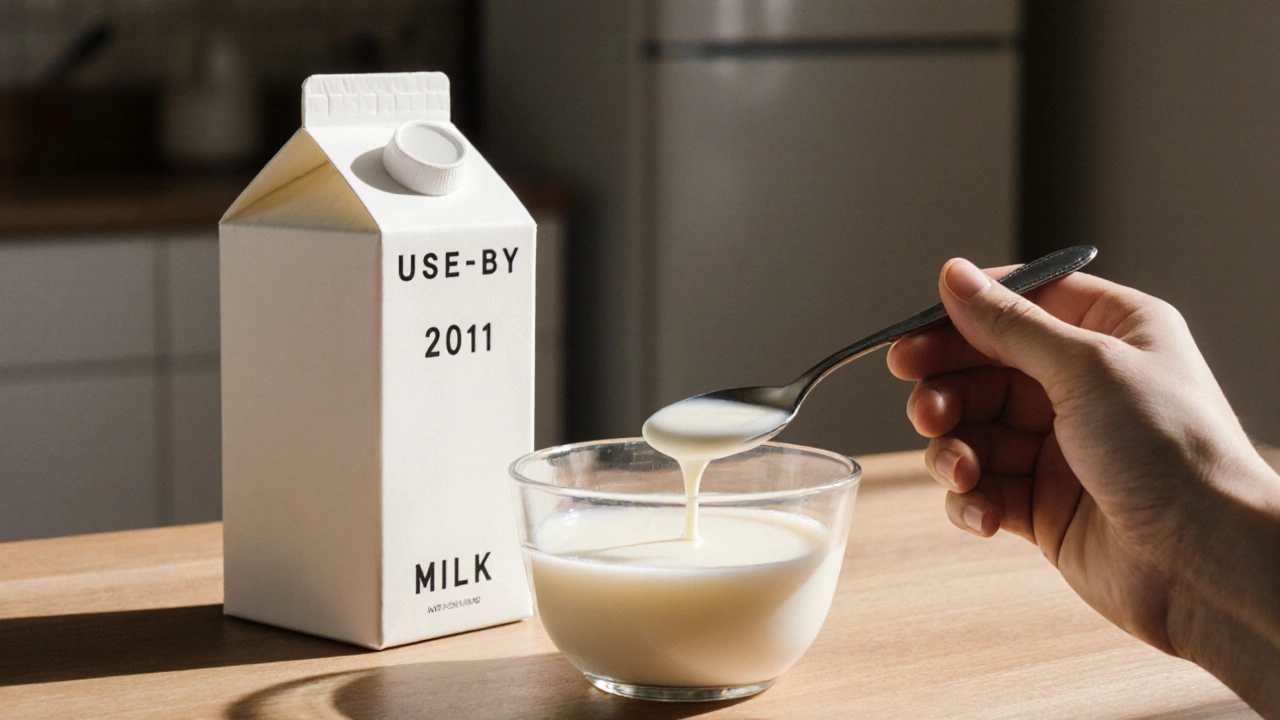
Can I Use Expired Milk to Make Yogurt? A Safety‑First Guide
Find out if expired milk can safely become yogurt, learn quick quality checks, step‑by‑step instructions, and tips to avoid spoilage.