Most Consumed Food in India – What Indians Eat Every Day
When talking about Most Consumed Food in India, the dishes and ingredients that dominate Indian plates day in, day out. Also known as Indian staple foods, it reflects geography, climate, and centuries‑old habits. Three grains shape this story: Rice, the primary carbohydrate for more than half the population, Wheat, the backbone of flatbreads across the north, and Dal, the lentil‑based protein that fuels vegetarian meals. If you’re curious about the most consumed food India trends, you’ll see how these staples intertwine with culture, economics, and taste.
Rice – The Southern and Eastern Powerhouse
Rice accounts for roughly 40 % of daily caloric intake in India, with the southern states and Bengal leading production. The average Indian eats about 150 kg of rice each year, a figure that dwarfs many other crops. This massive consumption fuels dishes like dosa, idli, and biryani, linking grain to both everyday meals and festive feasts. The crop’s water‑intensive nature also shapes regional agriculture policies, while its soft texture pairs perfectly with spicy sauces, making it a natural vehicle for flavors like fenugreek and turmeric.
Beyond taste, rice drives the popularity of protein‑rich companions such as dal and fish, creating balanced plates that meet nutritional needs without heavy meat reliance. In states where rice dominates, you’ll also find a higher prevalence of vegetarian dishes, reinforcing the link between grain choice and dietary patterns.
Wheat, on the other hand, dominates the northern plains. It contributes about 30 % of total calorie consumption, with an average per‑capita intake of 80 kg per year. The grain’s versatility shines in roti, paratha, and naan – flatbreads that accompany almost every meal, from breakfast curries to dinner gravies. Wheat’s longer shelf‑life and lower water demand make it a practical staple for the dryer climate of Punjab, Haryana, and Uttar Pradesh.
Roti’s simple preparation—mixing whole‑wheat flour with water, rolling, and cooking on a hot tawa—means families can whip up fresh bread multiple times a day. This ease of access keeps wheat at the heart of daily nutrition, especially for households that prioritize homemade meals over packaged alternatives.
Dal, the third pillar, supplies essential plant‑based protein for a nation where up to 70 % of the population follows a vegetarian diet at least part of the year. Lentils, chickpeas, and split peas provide iron, fiber, and B‑vitamins, making them crucial for health, especially in regions where meat is scarce or avoided for religious reasons. Popular variations like toor dal, moong dal, and chana dal each bring unique textures and flavors, yet all share the common role of completing a meal’s macronutrient profile.
Chicken, while not a daily staple for most Indians, punches above its weight in the culinary scene. Despite overall low meat consumption—around 4 kg per person per year—chicken dishes like butter chicken dominate both domestic kitchens and global Indian restaurants. This dish tops worldwide sales, showing how a single protein can become a cultural ambassador, bridging the gap between modest national meat intake and booming international demand.
Spices such as fenugreek, turmeric, and chili link all these foods together, adding depth and health benefits. Fenugreek, for instance, boosts dosa fermentation, while turmeric’s anti‑inflammatory properties enhance both rice‑based and wheat‑based dishes. Understanding these flavor foundations helps anyone recreate authentic Indian meals without guessing.
Below you’ll find a curated collection of articles that dive deeper into each staple, explore regional twists, and share practical cooking tips. Whether you’re after nutrition facts, cultural insights, or step‑by‑step recipes, the posts ahead will give you a full picture of why these foods keep Indian tables full day after day.
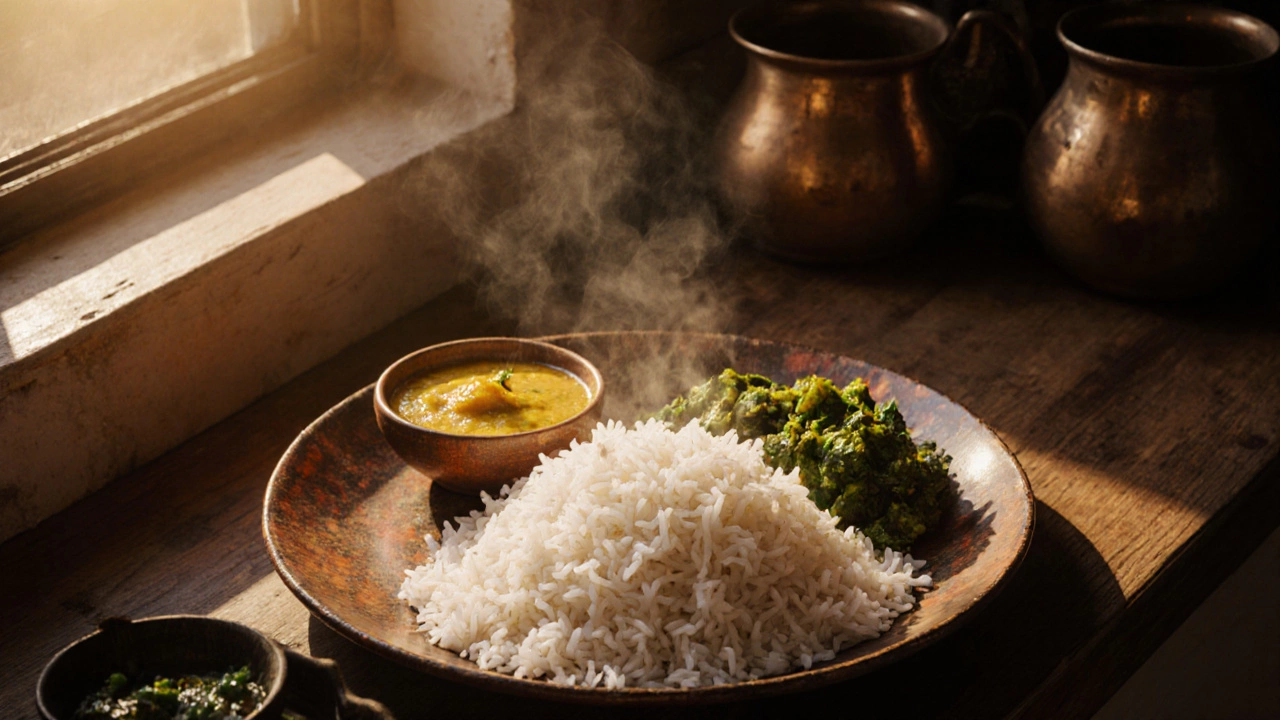
India's Most Consumed Food: What Indians Eat the Most
Discover why rice tops India's food consumption chart, how wheat fits in, regional preferences, health impacts, and simple cooking tips for everyday meals.