Best Oil for Crispy Dosa: Types, Tips, and Proven Tricks
When you’re making oil for crispy dosa, a cooking fat chosen specifically to achieve a golden, crunchy exterior on South Indian fermented rice and lentil pancakes. Also known as dosa frying oil, it’s not just about flavor—it’s the difference between a floppy crepe and a crisp, satisfying bite that cracks when you bite into it. The right oil doesn’t just fry the dosa; it transforms it. It carries heat evenly, resists breaking down at high temperatures, and leaves behind that signature crunch without greasiness.
Not all oils are built the same for this job. coconut oil, a traditional fat in Kerala and coastal Tamil Nadu kitchens, prized for its subtle sweetness and high smoke point is a top choice—it crisps the edges without burning and adds a light aroma that complements the fermented batter. sesame oil, common in Andhra and Telangana homes, brings a nutty depth and extra crunch, but it’s often mixed with a neutral oil to balance its strong flavor. Then there’s sunflower oil, a modern favorite for its clean taste and affordability, which many home cooks use because it’s widely available and doesn’t overpower the dosa’s natural tang.
But oil isn’t the only factor. Your dosa batter, a fermented mix of rice and urad dal that’s the foundation of every good dosa needs to be just right—thick enough to hold shape, thin enough to spread, and fermented long enough to puff slightly. If your batter’s too wet, no oil will save it. Too thick? It’ll stick and tear. And the tawa, the flat griddle used to cook dosas, often made of cast iron or carbon steel—it must be hot enough. A cold or poorly heated tawa means soggy dosas, no matter how good your oil is.
Some cooks swear by ghee for extra richness, but it burns faster than most oils and isn’t practical for large batches. Others use peanut oil for its neutral profile, but it can leave a heavy aftertaste if not refined well. The best approach? Start with coconut or sunflower oil, heat it until it shimmers—not smoking—and pour just enough to coat the tawa thinly. Let the dosa cook undisturbed until the edges lift and the underside turns golden brown. Flip once, crisp the other side, and you’re done.
You’ll find plenty of tips in the posts below—why fenugreek in your batter helps fermentation, how to store dosa batter for maximum crispness, and why some cooks skip oil entirely on the first side. These aren’t theories. They’re tested methods from kitchens where dosa isn’t just breakfast—it’s a daily ritual. Whether you’re new to South Indian cooking or just tired of soggy dosas, the right oil, paired with the right technique, will change everything.
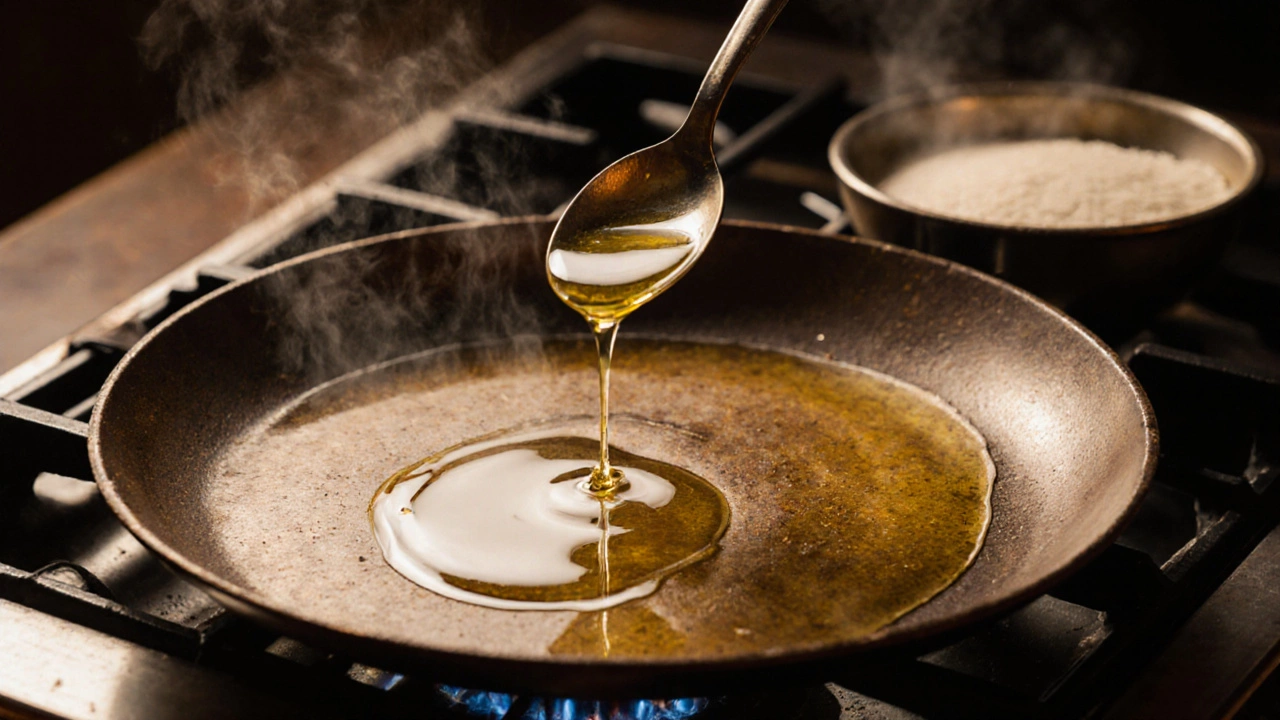
Best Oil for Dosa: Perfect Crispiness and Flavor Every Time
Find out the best oil for dosa to get perfect crispiness and authentic flavor. Learn why refined coconut oil wins, what alternatives work, and which oils to avoid for the best dosa every time.
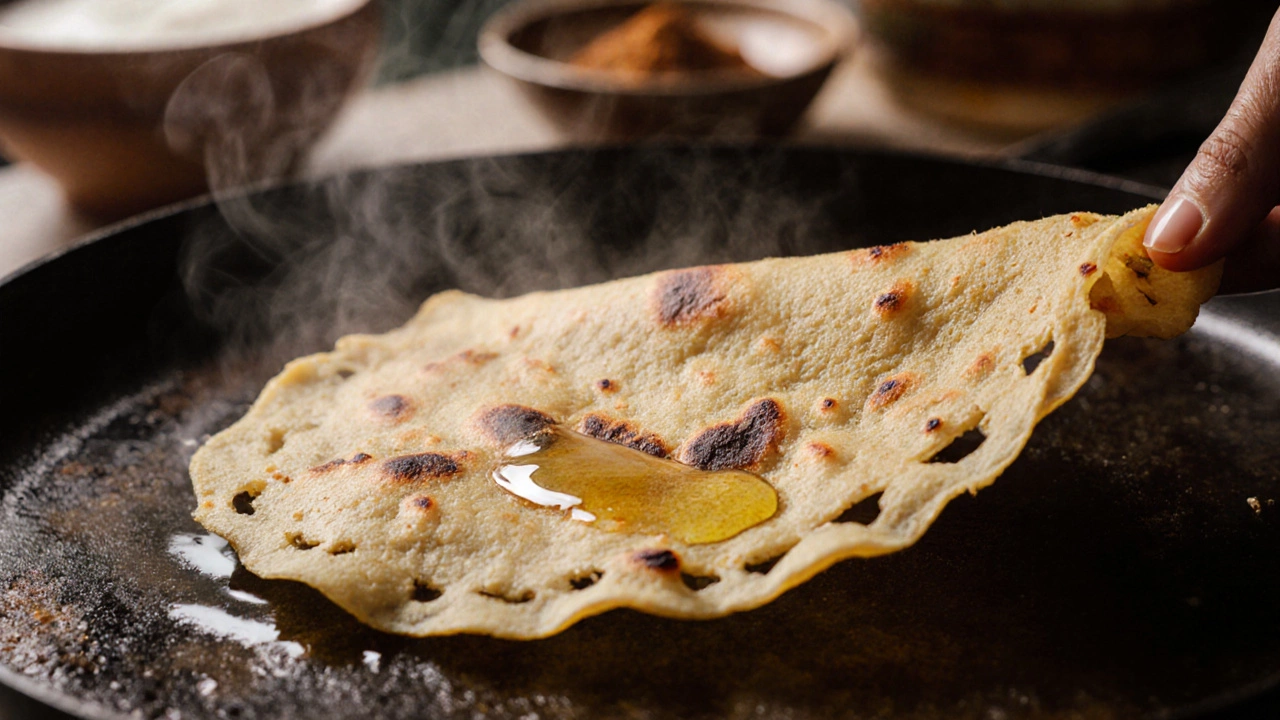
Best Oil for Dosa: Which One Gives You Crispy, Golden Results Every Time
Discover the best oil for dosa to achieve crispy, golden results every time. Learn why coconut and groundnut oil win over olive oil and butter, plus pro tips on heat, quantity, and storage.