Regional Indian Food
When you hear Regional Indian Food, the diverse culinary traditions that vary from state to state across India, reflecting local ingredients, climate, and culture. Also known as Indian regional cuisine, it captures the essence of each area's history and palate.
One of the biggest flavor families is South Indian cuisine, a coastal and tropical style that leans on rice, lentils, coconut, and mustard seeds. Think fluffy idlis, tangy sambar, and crunchy dosa. The region’s heat and humidity push cooks toward light, steamed dishes and bold, fresh herbs. regional Indian food truly shines when you bite into a plate of rasam that balances sour, spicy, and peppery notes.
Travel north and you meet North Indian cuisine, a wheat‑based tradition with rich gravies, tandoor breads, and dairy‑heavy sauces. From creamy paneer tikka to buttery naan, the cooler climate favors hearty, oil‑laden meals. The palate here loves ghee, cream, and a deeper spice profile, often built around garam masala.
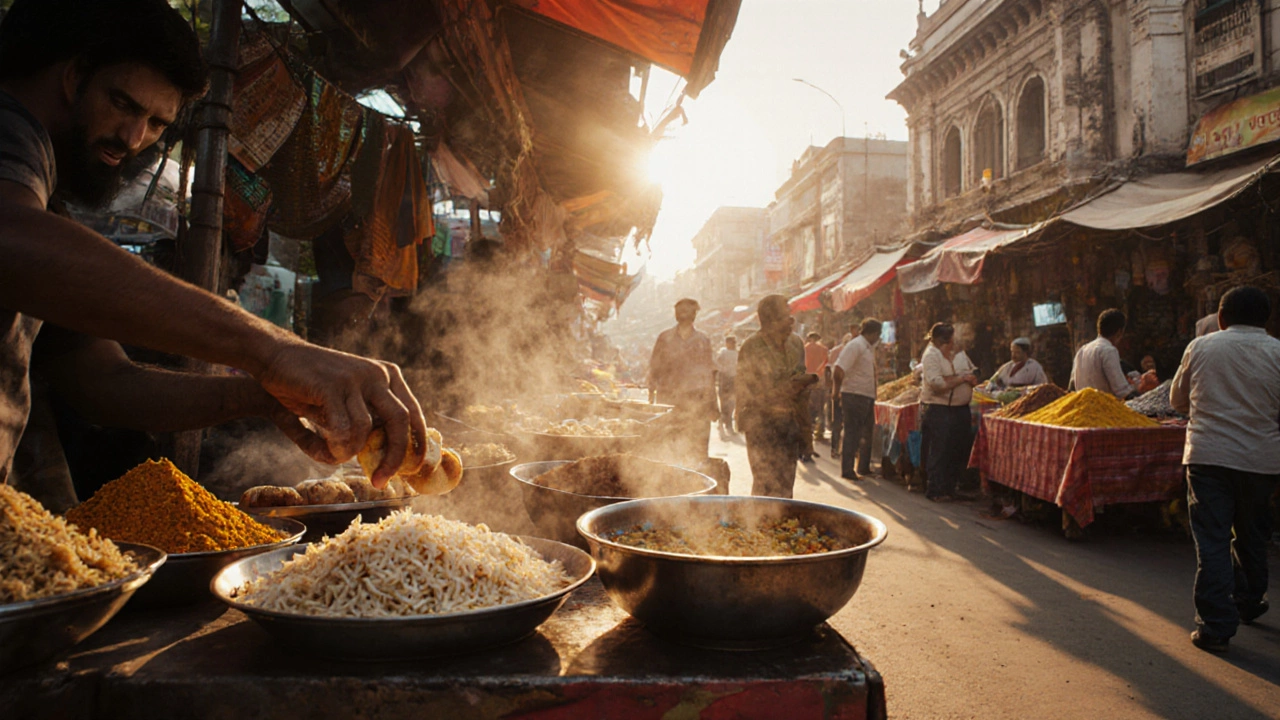
Street food is another pillar that ties the regions together. Indian street food, quick, affordable bites sold from stalls and carts across every city and village, brings regional flair to the masses. Whether it’s Pune’s vada pav, Kolkata’s puchka, or Chennai’s sundal, each snack tells a story of local taste and tradition.
All these flavors depend on the right spice blends, the carefully balanced mixes of dried herbs and seeds that define a dish’s character. From the fiery chilies of Andhra to the aromatic fenugreek of Punjab, the choice of spices creates the bridge between simple ingredients and unforgettable meals.
Local ingredients act as the foundation. Farmers in Kerala grow coconut and tapioca, while wheat fields stretch across the Punjab plains. Seasonal produce like mangoes, mustard greens, or jackfruit determines what ends up on the plate, reminding us that regional Indian food is as much about geography as it is about technique.
Cooking methods also vary widely. In the south, tawa (flat griddle) cooking produces crisp dosas, while the north favors the tandoor’s high heat for charring breads and kebabs. Each tool shapes texture, flavor, and even the health profile of a dish.
Health aspects differ by region too. Mild dishes like khichdi from Gujarat offer gentle digestion, while the oil‑rich curries of the west deliver comfort and calories. Understanding these nuances helps you pick meals that match your lifestyle without sacrificing authentic taste.
Cultural celebrations thread the culinary map together. Festivals such as Pongal, Onam, Diwali, and Baisakhi bring specific sweets, savories, and rituals to the table, reinforcing the link between food and identity across regions.
Below you’ll find a curated collection of articles that dive deeper into these topics—recipes, nutrition tips, cooking tricks, and cultural insights—all aimed at helping you explore and master the vibrant world of regional Indian food.
Which Indian State Is the Ultimate Foodie Destination?
Discover which Indian state reigns supreme for food lovers, with a focus on breakfast culture, street‑food density, and dish diversity, plus a guide for planning your foodie trip.