Starter Culture: Your Guide to Everyday Fermentation
When working with starter culture, a living blend of microbes that jump‑starts fermentation in food and drinks. Also known as culture starter, it provides the right bacteria or yeast to transform raw ingredients into tangy, nutritious creations.
Starter culture enables fermentation by supplying active microorganisms that break down sugars. Fermentation, the process of converting carbohydrates into acids, gases, or alcohol using microbes is the backbone of many beloved dishes—from homemade curd to pickles. It requires a suitable environment, which is why temperature, salt, and time matter so much. When you add a reliable starter, you skip the guesswork and let the microbes do their work.
Key Types of Starter Cultures You’ll Encounter
One popular form is the sourdough starter, a mixture of flour and water that captures wild yeasts and lactobacilli from the air. This starter is the heart of sourdough bread, giving it that signature tang and airy crumb. Another everyday example is a probiotic, beneficial bacteria you consume to support gut health found in yogurt, kefir, and certain fermented drinks. Both sourdough starter and probiotic cultures belong to the broader starter culture family, sharing the need for regular feeding and proper storage.
In Indian kitchens, you’ll also bump into dairy culture, specific bacteria used to turn milk into curd, paneer whey, or kefir. When you make paneer at home, the whey left behind is rich in these cultures and can be repurposed as a starter for other recipes. Using dairy culture not only thickens milk but also adds a gentle probiotic boost, tying back to the health benefits you get from probiotic foods.
These entities connect in clear ways: starter culture requires fermentation, fermentation creates probiotic foods, and probiotic foods support digestion. Understanding these links helps you choose the right starter for a given dish and avoid common pitfalls like over‑fermenting or under‑feeding your culture.
Now that you know what starter culture is, how it fuels fermentation, and the main types you might use, you’ll be ready to experiment. Below you’ll find articles that walk through everything from gentle khichdi for low‑spice meals to using whey from paneer as a starter, plus tips on keeping roti crisp, choosing vinegar for chutney, and more. Whether you’re a beginner or a seasoned fermenter, the collection offers practical steps, flavor ideas, and health insights to level up your kitchen.
Take a look at the posts ahead and discover simple tricks, tasty recipes, and science‑backed advice that make starter culture work for you every day.
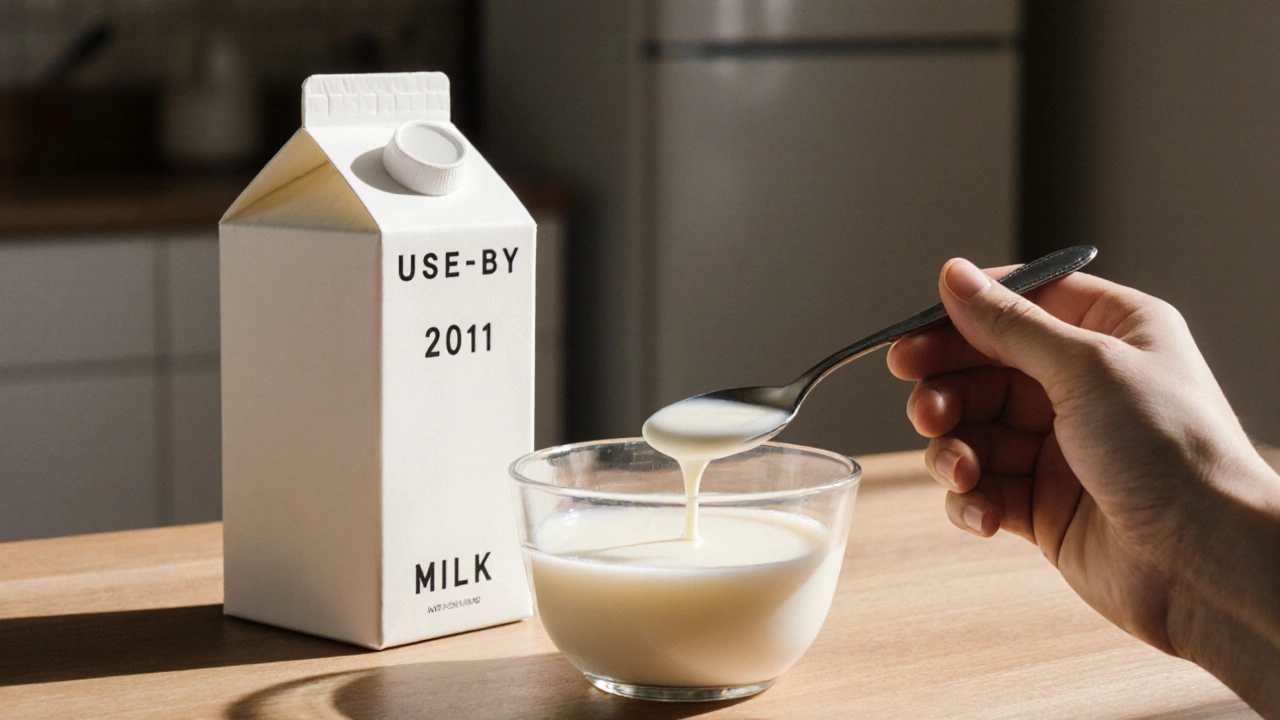
Can I Use Expired Milk to Make Yogurt? A Safety‑First Guide
Find out if expired milk can safely become yogurt, learn quick quality checks, step‑by‑step instructions, and tips to avoid spoilage.