Vegetarianism in India
When talking about vegetarianism in India, the practice of avoiding meat, fish and eggs rooted in cultural and spiritual beliefs, you instantly hit a web of Indian cuisine, the country's vast range of plant‑based dishes, spice blends and regional flavors, religious traditions, Hindu, Jain and Buddhist teachings that promote ahimsa or non‑violence, regional dishes, specific vegetarian meals from Tamil Nadu, Gujarat, West Bengal and beyond and the broader set of dietary restrictions, rules that shape what people can and cannot eat. This mix of flavors, faith and food rules makes Indian vegetarianism a living tradition rather than a simple “no‑meat” list.
Historically, vegetarianism in India stems from deeply held religious ideas: Hindu scriptures praise plant foods as pure, Jain doctrine bans any animal harm, and early Buddhist monks chose simple grains to stay light. These beliefs influence everyday cooking, so staple dishes like dal, sambar and thali‑style platters are built around legumes, vegetables and dairy. At the same time, regional dishes require a keen grasp of local spices—fenugreek in South Indian dosa batter, mustard seeds in Bengali posto, and asafoetida in Gujarati khichdi—all of which add flavor without animal products. The result is a culinary system where spice blends become the main flavor drivers, letting cooks create rich, satisfying meals that honor both taste and tradition.
In modern India, vegetarianism isn’t just a relic of the past; it’s a health‑focused lifestyle choice for many urban families. People often turn to plant‑based protein sources such as lentils, chickpeas and soy, while dairy remains a key calcium provider. Recent surveys show a growing interest in low‑oil cooking methods—steaming, tempering, and quick sautéing—to keep dishes light yet tasty. At the same time, the country’s low meat consumption (meat intake statistics, India eats far less meat per capita than most Asian nations) creates space for innovative vegetarian products like paneer‑based snacks and fortified milks. These trends demonstrate that Indian vegetarianism constantly adapts, balancing ancient ethics with contemporary nutrition science.
What You’ll Find Below
The articles that follow dive deep into every angle we just touched on. From the science behind fenugreek in dosa batter to the gentle comfort of khichdi, from health comparisons between roti and naan to the cultural reasons Indians eat so little meat, each post delivers practical tips, recipe walkthroughs and cultural context. Whether you’re a beginner looking for a simple stir‑fry or a seasoned cook craving regional nuance, the collection gives you actionable insights you can try today. Keep scrolling to explore the full range of vegetarian wisdom that makes Indian food both diverse and delicious.
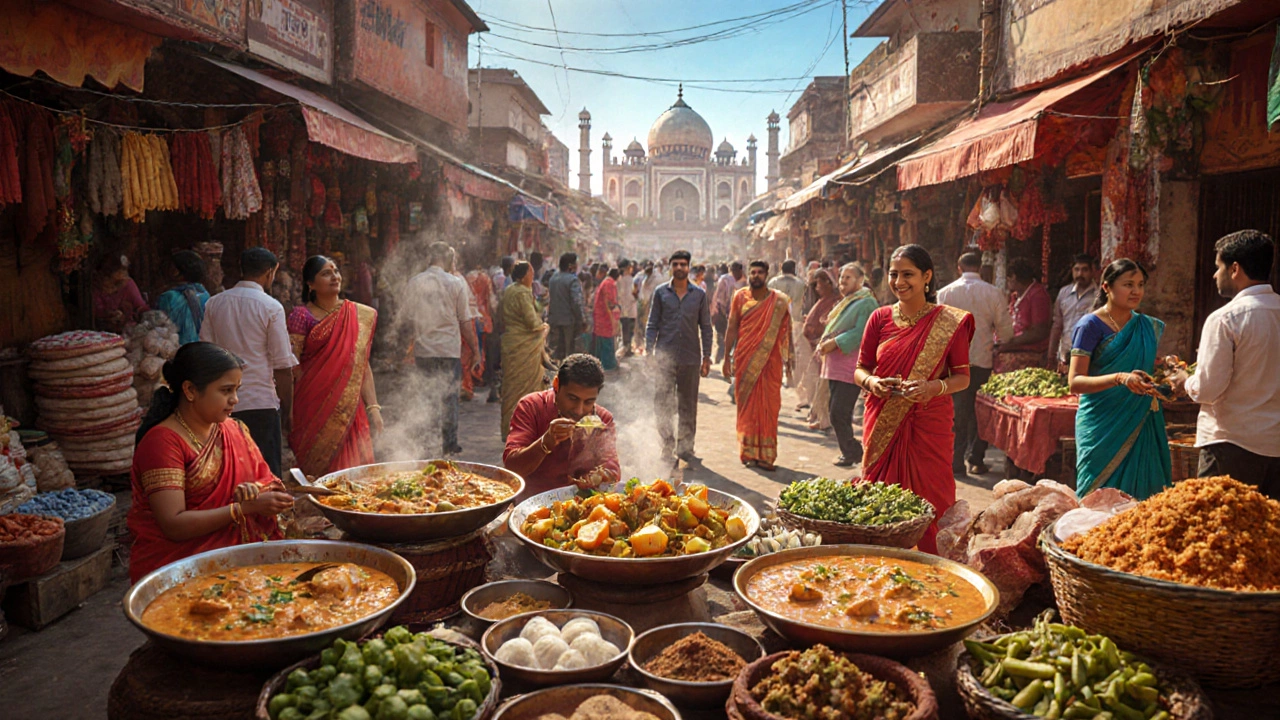
Which Indian Religion Is the Most Vegetarian?
Explore which Indian religion embraces vegetarianism the most, with stats, core beliefs, and typical dishes for each faith.