What Not to Eat in India: Common Mistakes and Cultural Food Rules
When you're exploring Indian food, what not to eat in India, the hidden food risks and cultural taboos that can ruin your meal or offend locals. Also known as Indian food safety rules, these aren't just about hygiene—they're tied to religion, tradition, and daily life. Many travelers get sick not because the food is dirty, but because they ignore simple local norms. For example, eating with your left hand is considered unclean in most parts of India. It's not about dirt—it's about centuries of cultural practice. The same goes for accepting food or drinks from strangers without knowing their source. In rural areas, even drinking tap water can be risky, and street food served with bare hands might carry bacteria you're not prepared for.
Then there's the issue of ingredients. If you're vegetarian, you might assume all Indian food is safe—but that's not true. Many dishes labeled "vegetarian" still contain ghee (clarified butter) made from cow milk, which some religious groups avoid. Others use animal-based broths or hidden meat extracts. Even paneer, a common cheese, is often made with animal rennet. And while dairy is everywhere, some people avoid milk products during fasting or religious periods. Indian food etiquette, the unwritten rules that guide how, when, and with whom you eat. Also known as eating customs in India, it includes never refusing food offered by a host, never leaving food on your plate, and always washing your hands before and after eating. Ignoring these can make you seem rude, even if you didn't mean to.
Street food is a huge part of Indian life, but not all of it is safe for tourists. Avoid anything sitting out in the open heat without a cover—especially cut fruits, raw salads, or drinks with ice from unknown sources. The same vendor might serve you a perfect dosa one day and give you stomach trouble the next, depending on the oil they used or whether they reused batter. Look for stalls with a long line of locals—that’s the best sign of freshness and safety. Also, don’t assume "spicy" means "unsafe." Many Indian dishes are naturally spicy but still clean and healthy. The real danger comes from poor storage, reused oil, or unclean utensils. street food safety, how to pick trustworthy vendors and avoid foodborne illness in India. Also known as safe street eating in India, it’s about observation, not avoidance.
Religious food rules also shape what you should avoid. In Jain communities, root vegetables like potatoes and onions are often skipped because harvesting them kills the plant and tiny organisms in the soil. In some Hindu households, beef is completely off-limits, and even pork is avoided in certain regions. If you're invited to a home meal, it's better to ask quietly about restrictions than to assume. And while many restaurants advertise "vegetarian" or "non-vegetarian," they don't always tell you if the oil was used for meat earlier. That’s why some people prefer to eat at places with separate kitchens.
There’s no single list of forbidden foods in India—it’s layered, regional, and personal. What’s safe in Kerala might be taboo in Gujarat. What’s normal for a college student in Delhi might shock a grandmother in Tamil Nadu. The key isn’t to fear Indian food, but to understand it. Pay attention to how locals eat, watch for clean practices, and don’t be afraid to ask. The best meals often come from places that feel real, not touristy. Below, you’ll find real stories, fixes, and tips from people who’ve been there—about what to skip, what to question, and how to eat like a local without the risk.
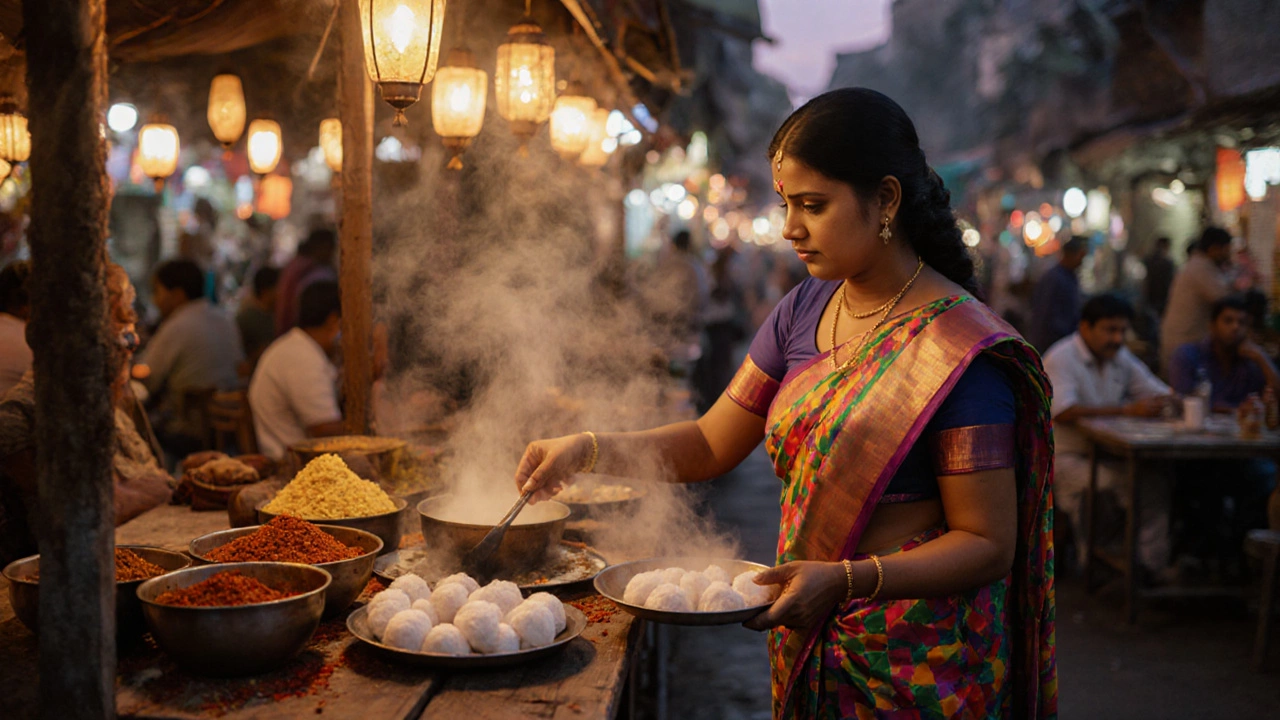
What Not to Eat in India: Common Mistakes and Cultural Missteps
Avoid cultural missteps in India by learning what not to eat-beef, raw street fruit, or Westernized 'Indian' dishes. Respect local customs around hands, fasting, and food waste to truly experience Indian cuisine.