Wheat Consumption in India: Trends, Health, and Everyday Choices
When looking at wheat consumption in India, the total amount of wheat eaten by the Indian population each year, we quickly see how this staple shapes meals across the subcontinent. The figure isn’t just a number; it reflects the blend of regional grain traditions, government procurement policies, and shifting consumer tastes. For example, Atta, finely milled whole‑wheat flour used to make flatbreads drives home‑cooking habits, while Roti, the everyday Indian flatbread baked on a tawa directly translates flour consumption into daily calories. In the south, Rice, the other primary grain competing with wheat often outranks wheat, creating a clear north‑south divide. Understanding these entities helps answer three core questions: how much wheat Indians eat, why the pattern differs across states, and what health implications follow.
Factors Behind the Numbers
Per‑capita wheat intake has hovered around 70‑80 kg in recent years, according to the Ministry of Food Processing. That value rises in Punjab, Haryana, and Uttar Pradesh, where wheat consumption in India accounts for over half of total grain calories, but drops below 30 kg in Kerala and Tamil Nadu, where rice dominates. Two attributes shape this gap: climate suitability for wheat cropping and cultural food‑preference inertia. The government's Minimum Support Price (MSP) boosts wheat production in the north, while the Public Distribution System (PDS) stocks wheat flour at subsidized rates, encouraging people to buy Atta for daily roti. On the health side, whole‑grain Atta supplies more fiber and micronutrients than refined flour, yet many consumers still buy maida (refined wheat flour) for fried snacks, nudging overall wheat quality lower. Nutritional surveys show that regions with higher whole‑grain roti consumption report lower incidences of type‑2 diabetes, hinting at a direct link between the type of wheat product and public health.
Recent trends also show urban Indians swapping traditional roti for multigrain breads or even gluten‑free options, while the rise of ready‑to‑cook wheat‑based snacks fuels demand for processed flour. Yet the core of wheat consumption remains linked to the simple act of making a hot roti on a tawa. Below you’ll find articles that unpack everything from the role of fenugreek in dosa batter (a grain‑free starter) to the health debate between roti and naan, and even a look at why India’s meat intake stays low, which indirectly keeps grain calories high. Dive into these pieces to see data, recipes, and practical tips that round out the big picture of wheat’s place on Indian plates.
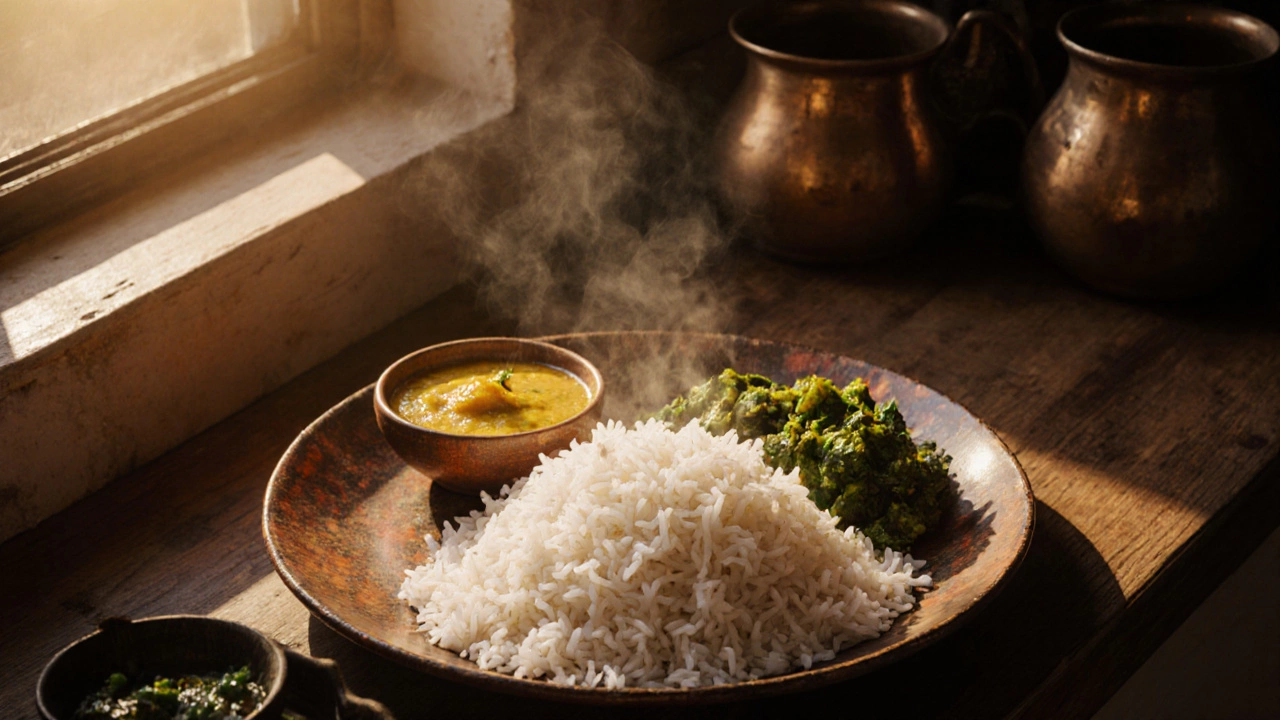
India's Most Consumed Food: What Indians Eat the Most
Discover why rice tops India's food consumption chart, how wheat fits in, regional preferences, health impacts, and simple cooking tips for everyday meals.