Whey After Paneer: What to Do With It, Benefits, and How to Use It
When you make paneer at home, you’re left with a milky liquid called whey, the liquid separated from curds during cheese-making, rich in proteins, lactose, and minerals. Also known as paneer whey, it’s not waste—it’s a nutrient-dense byproduct many overlook. Most people pour it down the drain, but that’s like throwing away free protein. This liquid contains about 20% of the milk’s original protein, along with calcium, B vitamins, and beneficial enzymes from fermentation.
Drinking whey after paneer is safe for most people, especially if you’re not lactose intolerant. It’s naturally low in fat and packed with whey protein, a high-quality, fast-digesting protein commonly used in fitness and nutrition, which helps repair muscles and keeps you full longer. You can sip it plain, add a pinch of salt or lemon juice, or blend it into smoothies. Some people even use it as a base for soups, bread dough, or fermented drinks like lassi. It’s also great for soaking lentils or rice—it softens them faster and adds nutrients.
But not everyone knows that whey from paneer is different from store-bought whey protein powder. It’s unprocessed, unflavored, and contains natural lactose, so if you’re sensitive to dairy sugars, start slow. It’s also not shelf-stable—store it in the fridge for up to 3 days, or freeze it in ice cube trays for later use. If it smells sour or looks clumpy, toss it. Don’t confuse it with spoiled milk—fresh paneer whey should smell mildly sweet, like yogurt.
People in South Indian households have used this liquid for generations—not just for cooking, but in traditional remedies. Some mix it with turmeric for skin, others use it to water plants. It’s a quiet superfood hiding in plain sight. And while you won’t find it in protein shakes at the gym, it’s the original, unfiltered version of what those powders try to copy.
Below, you’ll find real advice from people who actually make paneer at home. They’ve tested what works—how to strain it right, how much to drink daily, which recipes boost its value, and when to skip it. No fluff. Just what you need to stop wasting this golden liquid and start using it well.
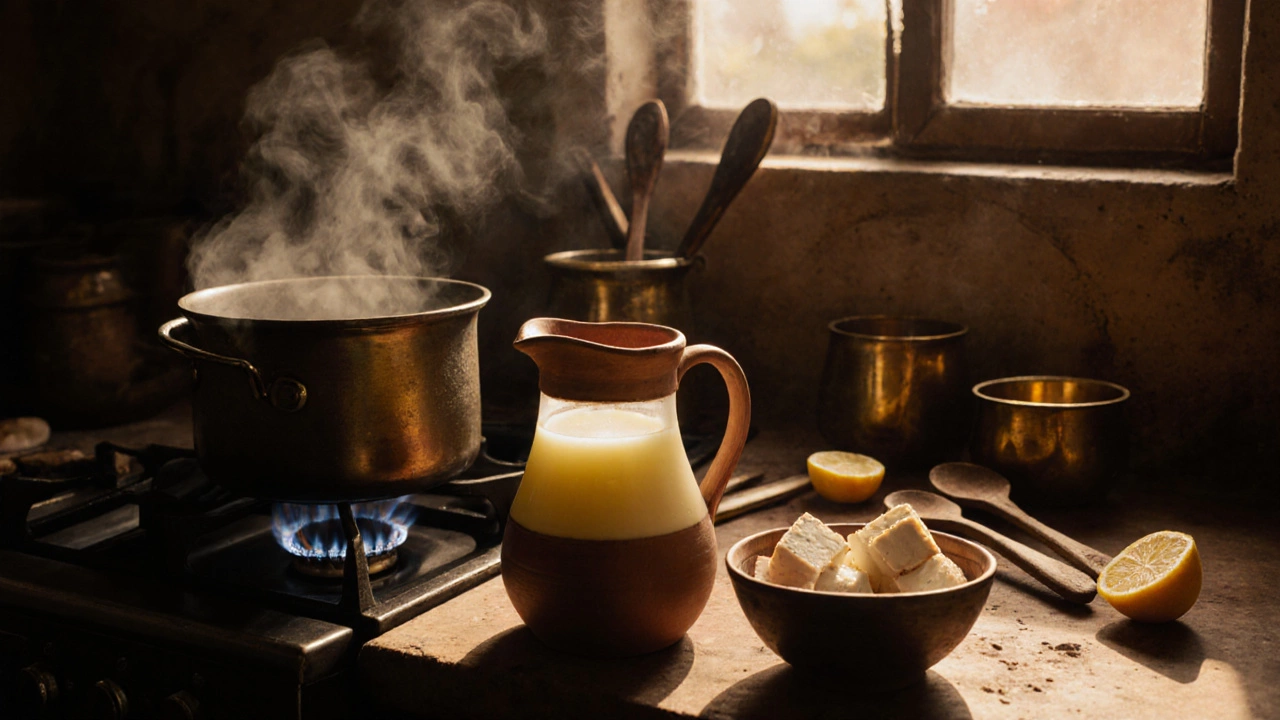
Can You Drink Whey After Making Paneer? Here’s What Really Happens
Yes, you can drink whey after making paneer-it's safe, nutritious, and full of protein. Learn how to use this kitchen byproduct in cooking, fermentation, and smoothies instead of throwing it away.