17 Apr 2026
- 0 Comments
Dal Variety Finder & Guide
Not sure which dal to buy or cook? Select a variety below to see its English name and best uses.
Quick Takeaways
- Dal means both the seed (lentils/pulses) and the cooked dish (stew).
- Common English equivalents include lentil soup, split pea stew, or simply "lentils."
- It is a primary source of plant-based protein in Indian diets.
- There are dozens of varieties, each requiring different cooking times and spices.
The Linguistic Confusion: Pulse vs. Lentil
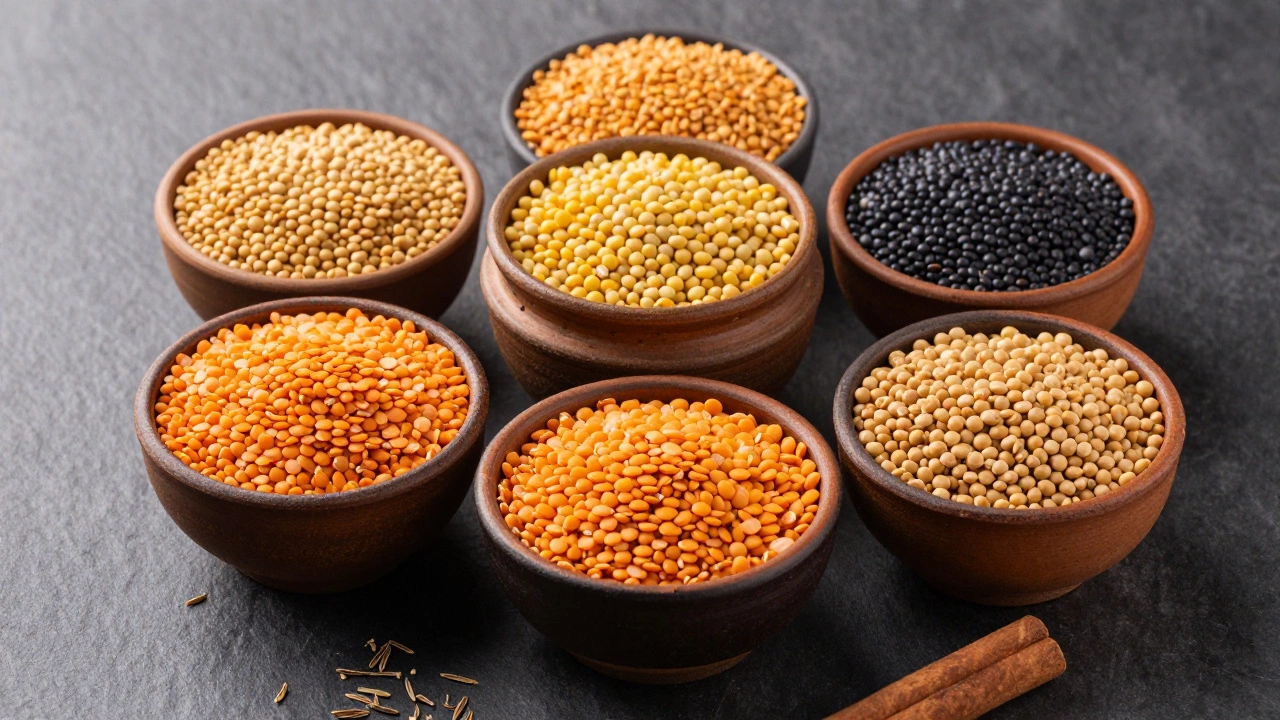
To understand dal, we have to look at the family tree of legumes. In English, we often use "lentils" as a catch-all, but Pulses is the broader category. This includes chickpeas, kidney beans, peas, and lentils. In India, the term dal specifically targets the split versions of these seeds. When you split a lentil, you remove the outer skin (the husk), which makes it cook faster and create a creamier texture.
Have you ever noticed how some dals are thick like a porridge while others are thin like a soup? That depends on the variety of legume used. For example, Toor Dal (pigeon peas) creates a savory, slightly nutty base common in South Indian homes, whereas Moong Dal (yellow mung beans) is much lighter and easier on the stomach, often given to people who are recovering from an illness.
Common Types of Dal and Their English Names
Walking into an Indian grocery store can be overwhelming if you don't know the labels. Here is a breakdown of the most common types you'll encounter and what they actually are in English.
| Hindi Name | English Name | Texture/Characteristic | Best For |
|---|---|---|---|
| Masoor Dal | Red Lentils | Quick-cooking, turns yellow | Creamy soups, beginners |
| Moong Dal | Mung Beans | Light, pale yellow | Healthy detox, baby food |
| Chana Dal | Split Bengal Gram | Firm, nutty, holds shape | Thick stews, frying snacks |
| Urud Dal | Black Gram | Sticky, creamy | Dosa batters, Dal Makhani |
| Toor Dal | Split Pigeon Peas | Earthy, slightly sour | Every-day comfort food |
How Dal is Actually Made: The Process
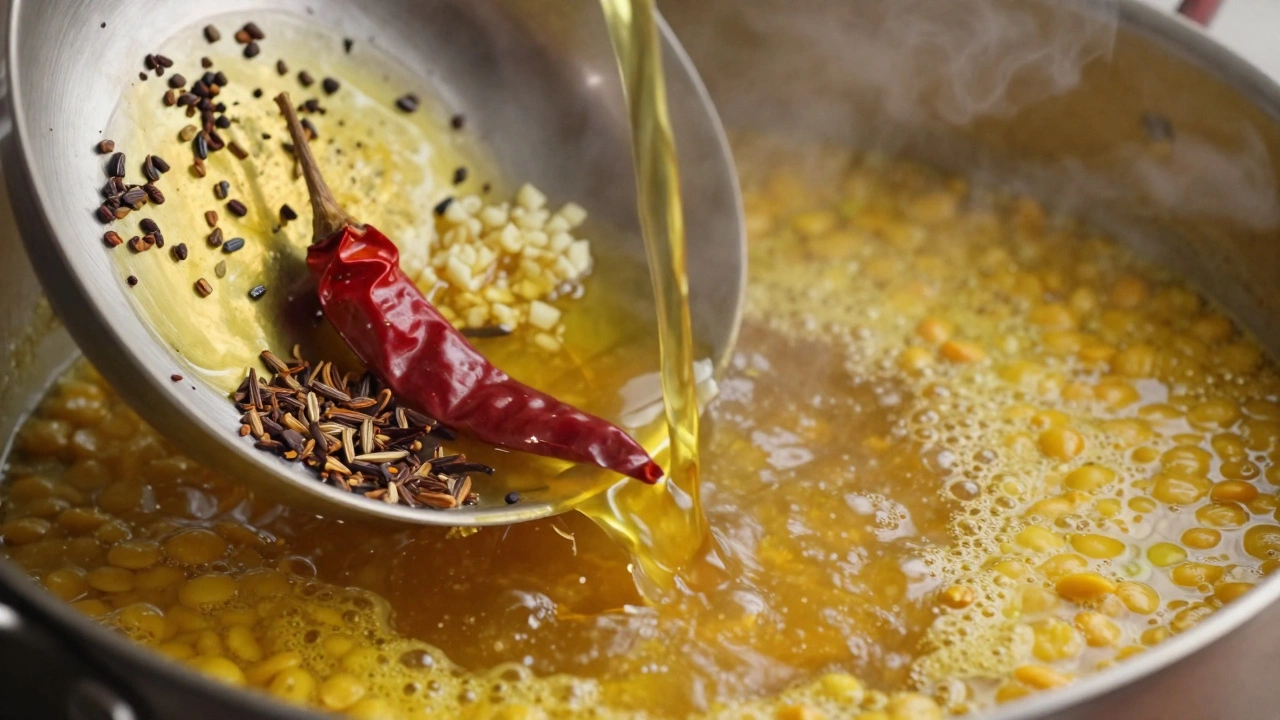
Cooking dal isn't just about boiling beans; it's a two-step process that transforms a bland seed into a flavor bomb. Most people start by boiling the lentils with water, turmeric, and salt. But the magic happens during the second stage, called Tadka (or tempering). This is the process of heating oil or ghee and frying aromatic spices to pour over the cooked lentils.
Imagine a pan of hot ghee. You drop in Cumin Seeds, which sizzle and release an earthy scent. Then you add minced garlic, ginger, and perhaps a dried red chili. Finally, you might stir in some Hing (Asafoetida), a pungent resin that gives dal its signature "restaurant" smell. When this hot oil mixture hits the simmering lentils, it creates a violent, aromatic reaction that locks in the flavor.
A Simple Dal Recipe for Beginners
If you want to try making this at home, start with red lentils (Masoor Dal). They are the most forgiving because they cook in about 15-20 minutes without needing a pressure cooker. Here is a straightforward way to do it.
- Rinse: Wash one cup of red lentils in cold water until the water runs clear. This removes excess starch and prevents the pot from foaming over.
- Boil: Place the lentils in a pot with 3-4 cups of water. Add a half-teaspoon of turmeric powder and a pinch of salt. Simmer on medium heat until the lentils soften and start to break down.
- The Tadka: In a separate small pan, heat two tablespoons of ghee or vegetable oil. Add one teaspoon of cumin seeds. Once they pop, add a finely chopped onion and sauté until golden brown.
- Combine: Pour this aromatic mixture directly into your pot of cooked lentils. Stir it in and let it simmer for another 2-3 minutes.
- Finish: Squeeze in some fresh lime juice and garnish with chopped cilantro.
The Nutritional Powerhouse
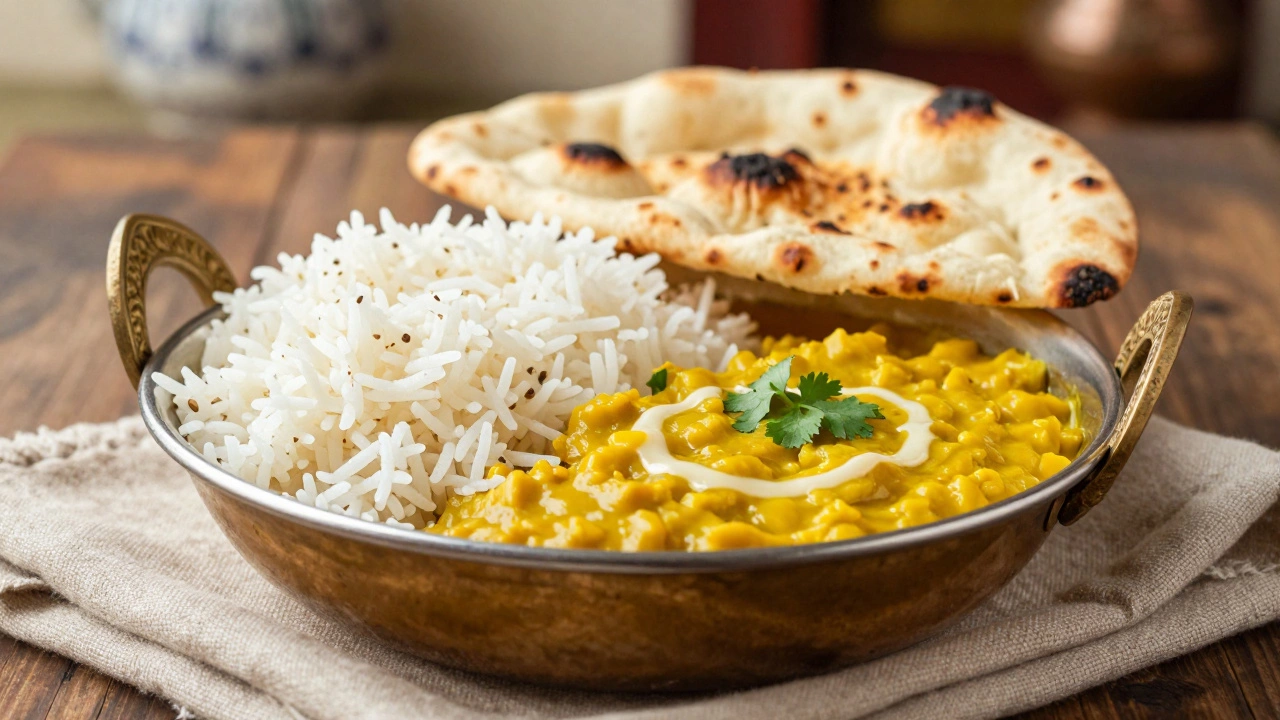
Why is dal so central to the Indian diet? It's not just about taste. For millions of vegetarians, dal is the primary source of protein. When paired with rice (making the famous Dal Chawal), it creates a complete protein profile, meaning it provides all nine essential amino acids the body needs.
Beyond protein, these legumes are packed with dietary fiber, which helps keep you full and regulates blood sugar. Most dals are also rich in iron and folate. If you are looking for a way to incorporate more plant-based nutrition into your life, switching a few meat-based meals a week for a lentil stew is one of the easiest health upgrades you can make.
Pitfalls to Avoid When Cooking Dal
Even a simple dish has some traps. One of the biggest mistakes beginners make is not rinsing the lentils enough. If you don't wash them, your dal can end up with a metallic or dusty taste. Another common error is adding the tadka too early. If you fry your spices and then boil them for 30 minutes, the delicate oils in the cumin and garlic will evaporate, leaving you with a muted flavor.
Also, be careful with the water ratio. If you add too much, you get a watery soup; too little, and it becomes a thick paste. A good rule of thumb for red lentils is a 1:3 ratio of lentils to water for a medium consistency. For tougher lentils like Chana Dal, you might need a 1:4 ratio and a longer cooking time.
Is dal the same as lentil soup?
While they are very similar, traditional Indian dal differs from Western lentil soup in its seasoning and technique. Dal almost always uses the "tadka" method (frying spices in oil separately) and typically includes turmeric and ginger, which you won't find in a standard French or English lentil soup.
Do I need a pressure cooker to make dal?
No, but it helps. Red and yellow mung lentils cook quickly in a regular pot. However, tougher varieties like Chana Dal or Whole Urad Dal can take over an hour to soften. A pressure cooker or Instant Pot reduces this to about 15-20 minutes.
Can I use canned lentils to make dal?
You can, but the texture is different. Canned lentils are already cooked and are firmer. To make a traditional creamy dal, you would need to blend some of the canned lentils or simmer them for longer with a bit of extra water to get that characteristic thickness.
What is the healthiest type of dal?
Moong Dal (yellow mung beans) is generally considered the healthiest and most digestible. It is often recommended for people with sensitive stomachs or those starting a new diet because it's light and rich in nutrients without being heavy on the gut.
What is the difference between split and whole dal?
Split dal has the outer skin removed and the bean divided in half. This allows water to penetrate the seed faster, leading to a quicker cooking time and a creamier, more porridge-like texture. Whole lentils keep their shape and have a more "chewy" feel, which is great for salads or hearty stews.
Next Steps for Foodies
Now that you know the basics of what dal is, you can start experimenting with different regional styles. If you liked the simple red lentil version, try moving on to Dal Tadka for a more punchy flavor, or Dal Makhani, which uses black lentils and butter for a rich, creamy experience. You can also pair your dal with different grains-try it with Basmati rice for a classic meal, or warm Jeera (cumin) rice for extra aroma. If you're feeling adventurous, try dipping some toasted naan or paratha into a thick bowl of dal for the ultimate comfort food experience.