1 Dec 2025
- 0 Comments
Dal Soaking Calculator
How Long Should You Soak Your Dal?
Select your dal type and dish to get optimal soaking time recommendations based on the expert guide.
Recommended Soaking Time
Why This Time?
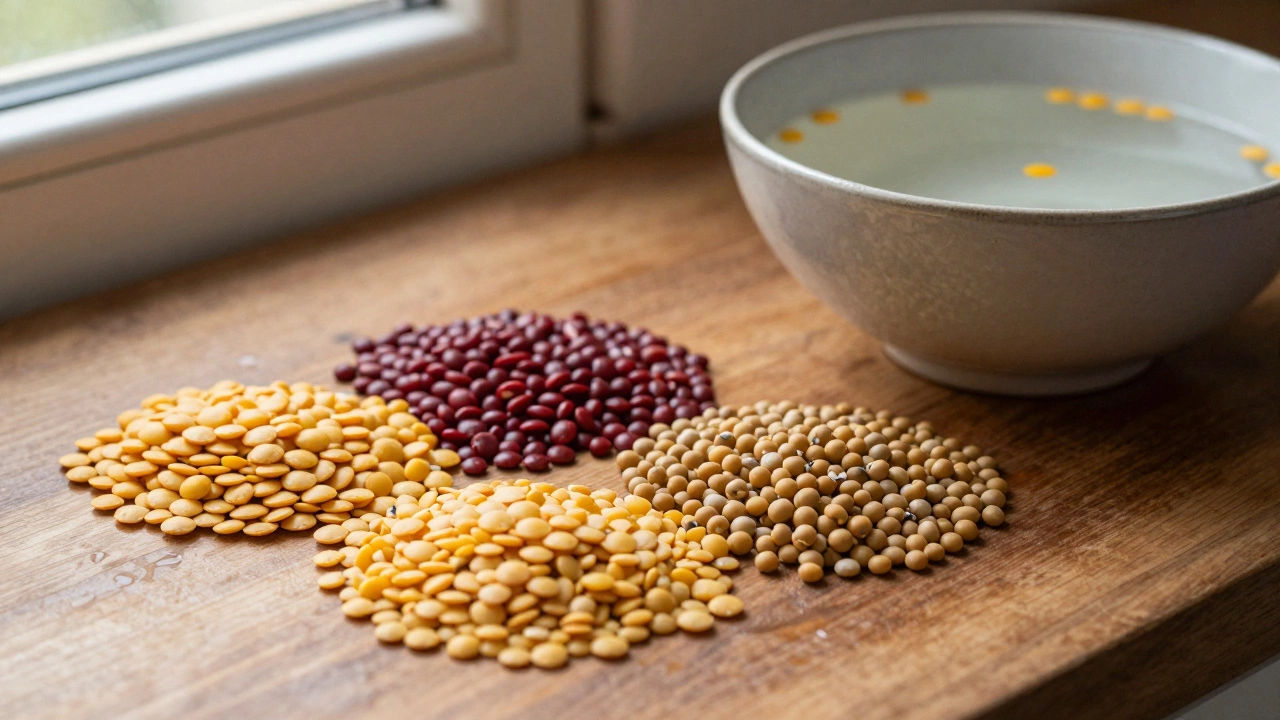
Soaking dal before cooking isn’t just a suggestion-it’s the difference between mushy, undercooked lentils and tender, flavorful dal that falls apart just right. If you’ve ever bitten into a hard dal grain or ended up with a pot of unevenly cooked lentils, you’re not alone. The truth is, most people skip soaking because they think it’s optional. But skipping this step wastes time, ruins texture, and makes digestion harder.
Why Soak Dal at All?
Dal isn’t just dried beans-it’s a concentrated form of protein and fiber. When lentils dry out, their outer skin tightens and the inner starches lock in. Water can’t penetrate easily, so when you throw them straight into boiling water, the outside turns to mush before the inside even starts to soften. Soaking rehydrates them slowly, letting water reach the core. This cuts cooking time by up to 40%, saves gas or electricity, and makes the dal easier on your stomach.
Indian grandmothers didn’t soak dal just because it was tradition-they did it because they knew what happened when you didn’t. Unsoaked dal often causes bloating and gas. Soaked dal? Much gentler on digestion. It also helps break down phytic acid, a natural compound that blocks mineral absorption. Soaking reduces that, so your body gets more iron and zinc from the same spoonful.
How Long to Soak Different Types of Dal
Not all dals are the same. Each variety has a different skin thickness, size, and density. Soaking time varies. Here’s what works in real kitchens:
- Yellow moong dal (split mung beans): 20 to 30 minutes. These are small and thin-skinned. You can skip soaking if you’re in a hurry, but they’ll still cook faster and smoother if you soak them.
- Red lentils (masoor dal): 15 to 25 minutes. They break down quickly, so don’t soak too long or they’ll turn to paste before you even start cooking.
- Chana dal (split chickpeas): 2 to 4 hours. These are dense and nutty. Without soaking, they take over an hour to cook and often stay crunchy in the middle.
- Toor dal (split pigeon peas): 30 minutes to 1 hour. This is the most common dal for sambar. Soaking makes it tender without turning it into mush.
- Urad dal (split black gram): 4 to 6 hours, or overnight. These are the toughest. They need time to soften enough for idli or dosa batter, but even for dal tadka, a long soak means creamy results.
- Whole green moong or whole chana: 6 to 8 hours, or overnight. These aren’t split, so their skins are intact. They need longer to rehydrate fully.
Pro tip: If you’re making dal for a curry or soup, soak for the lower end of the range. If you’re making dal for a thick, creamy dish like dal makhani, soak longer-it helps release more starch for that rich texture.
What Happens If You Don’t Soak Dal?
You can cook dal without soaking. But here’s what you’ll get:
- Longer cooking time-up to 90 minutes instead of 30.
- Uneven texture-some lentils soft, others still hard.
- More water needed, which dilutes flavor.
- Higher risk of digestive discomfort.
- More energy used-whether you’re on gas or electric, you’re paying for extra minutes.
One study from the Indian Institute of Food Processing Technology found that unsoaked toor dal required 57% more water and 42% more cooking time than soaked dal to reach the same softness. That’s not just inconvenient-it’s inefficient.

Soaking Tips for Real-Life Kitchens
Here’s how to soak dal like someone who’s done it every day for 30 years:
- Use cold water. Hot water can start cooking the outside before the inside absorbs moisture.
- Use 2 to 3 times the volume of water. Lentils swell up. Don’t skimp.
- Add a pinch of salt or a splash of lemon juice. This helps soften the skins faster and improves flavor.
- Cover the bowl. It keeps dust out and helps retain moisture.
- Drain and rinse before cooking. Don’t cook with the soaking water-it contains compounds that can cause gas and bitterness.
Need to speed things up? Use warm water (not boiling) for 15 to 20 minutes. It’s not as effective as overnight soaking, but it’s better than nothing.
What About Pressure Cooking?
Pressure cookers are fast, but they don’t fix bad prep. If you throw unsoaked chana dal into a pressure cooker, it’ll still take 25 minutes and come out uneven. Soaked? 10 to 12 minutes, perfectly tender. Even with a pressure cooker, soaking cuts cooking time in half and gives you more control over texture.
Also, soaked dal releases less foam and scum during pressure cooking. That means less cleaning and a cleaner-tasting dal.
Can You Soak Dal Too Long?
Yes. If you leave dal soaking for more than 12 hours at room temperature, especially in warm climates like Sydney, it can start to ferment. You’ll notice a slight sour smell or bubbles. That’s not always bad-some recipes like dosa batter rely on fermentation-but for regular dal, it changes the flavor.
If you’re soaking overnight, keep it in the fridge. That slows down fermentation and keeps it safe. If you forget and leave it out for 14 hours, rinse it well, check the smell, and taste a grain. If it’s sour or fizzy, toss it. If it smells neutral, it’s fine.
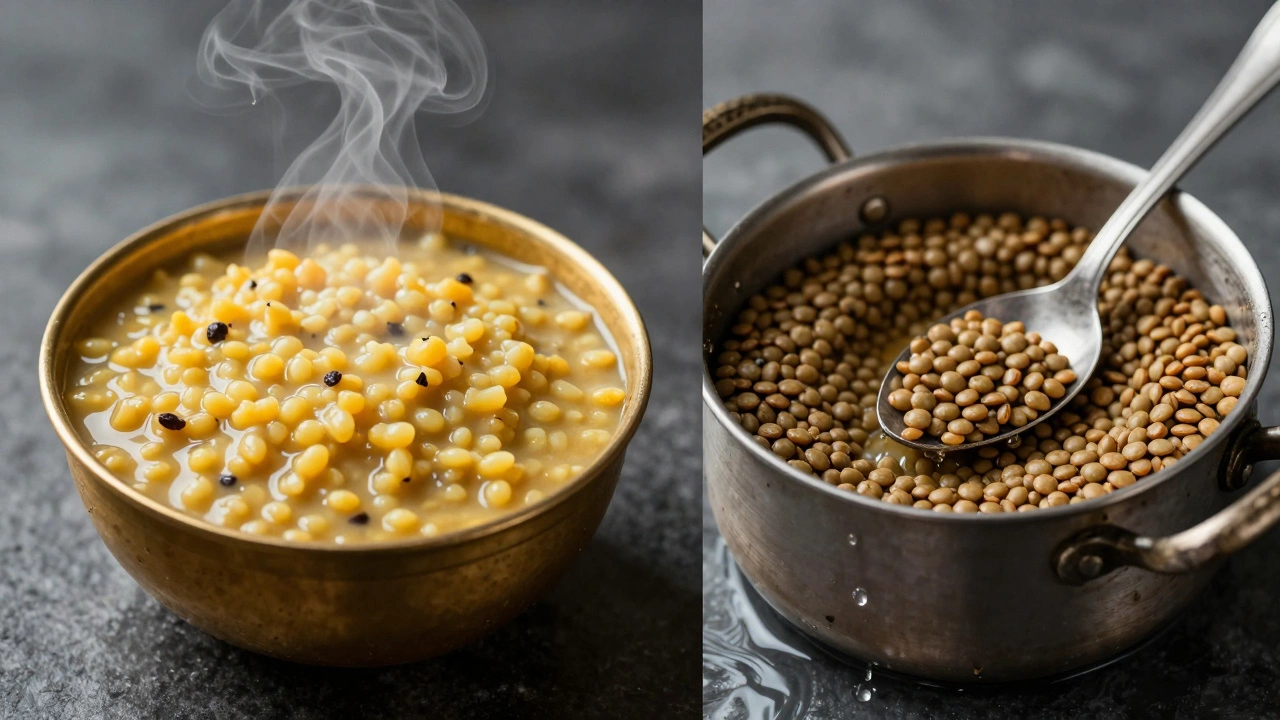
Soaking vs. No Soaking: A Quick Comparison
| Factor | Soaked Dal | Unsoaked Dal |
|---|---|---|
| Cooking Time | 20-40 minutes | 50-90 minutes |
| Texture | Evenly soft, creamy | Uneven, some hard bits |
| Water Used | Less | More |
| Digestibility | High | Low |
| Flavor Concentration | Stronger | Diluted |
| Energy Use | Lower | Higher |
When Can You Skip Soaking?
There are exceptions. If you’re making a quick dal for a weeknight meal and you’re using yellow moong or red lentils, you can get away with rinsing and cooking directly. They’re small, thin-skinned, and cook fast. But even then, you’ll notice the difference if you soak them for 15 minutes. It’s not a must-but it’s a smart shortcut.
For everything else-chana dal, toor dal, urad dal-don’t skip it. The time you spend soaking is paid back in flavor, texture, and peace of mind.
Final Rule of Thumb
Here’s what to remember: If the dal is split and small, soak 20-30 minutes. If it’s whole or dense, soak 4+ hours or overnight. Always drain and rinse. Never cook in soaking water. And if you’re ever unsure, soak it. It won’t hurt. It’ll only help.
Dal isn’t just food. It’s comfort. It’s tradition. And it’s meant to be soft, warm, and easy to eat. Soaking it isn’t extra work-it’s part of the recipe.
Can I soak dal overnight?
Yes, soaking dal overnight is ideal for tougher varieties like chana dal or urad dal. Keep it in the fridge to prevent fermentation. For softer dals like moong or masoor, overnight soaking isn’t needed and can make them too mushy.
Should I use hot or cold water to soak dal?
Always use cold water. Hot water can start cooking the outer layer unevenly, leading to mushy outsides and hard centers. Cold water rehydrates slowly and evenly.
Can I soak dal in the fridge?
Yes, especially if soaking for more than 4 hours. The fridge slows down bacterial growth and prevents unwanted fermentation. It’s the safest way to soak dal overnight.
Do I need to rinse dal after soaking?
Always rinse soaked dal under cold water. The soaking water contains compounds that can cause gas and bitterness. Rinsing removes them and ensures clean flavor.
Why does my dal still feel gritty after cooking?
Grittiness usually means the dal wasn’t soaked long enough, especially with whole lentils like chana or whole green moong. Try soaking for 6-8 hours. Also, make sure you’re not using hard water-minerals can prevent softening. If that’s the case, boil the water first or use filtered water.