Curry Flavor Secrets: Unlock the True Spices Behind Authentic Indian Curries
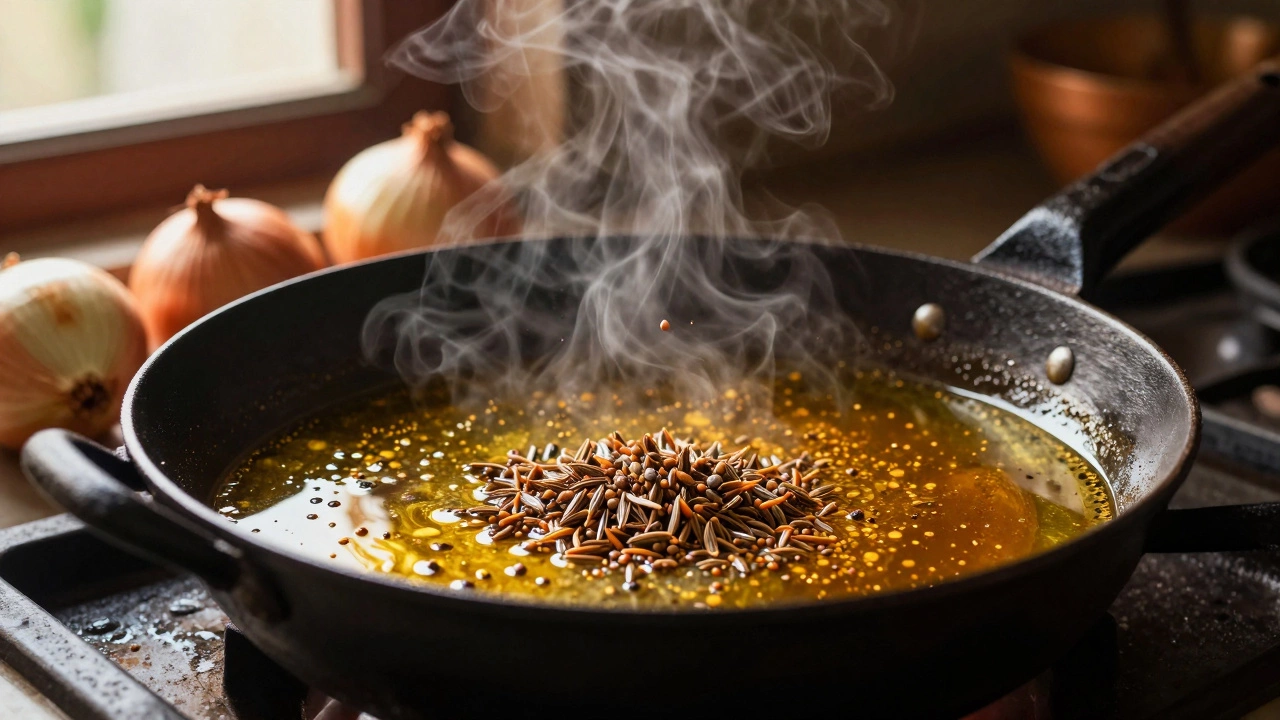
When you think of curry flavor secrets, the hidden combination of spices that create depth, warmth, and balance in Indian curries. Also known as curry spice blend, it’s not one spice—it’s the quiet dance between them. Most people think chili or cumin is the star, but the real magic happens when coriander, turmeric, cumin, and garam masala work together in the right order. You can’t just toss them in. You have to bloom them. You have to let the oil carry their scent. You have to wait.
Take coriander powder, the foundational spice in most South Indian curries, providing earthy sweetness that holds other flavors together. It’s not flashy like cumin or bright like turmeric, but without it, your curry tastes flat—like a song missing its bass. Then there’s garam masala, a warming blend of whole spices toasted and ground, added at the end to preserve its aromatic punch. Add it too early, and you lose its perfume. Add it too late, and it tastes raw. And turmeric, not just for color, but for its subtle bitterness and anti-inflammatory properties that balance rich meats and lentils. It’s the quiet backbone, the one you notice only when it’s missing.
These aren’t random ingredients. They’re a system. The oil heats, the spices sizzle, the aroma rises—that’s when flavor starts. Most home cooks skip the blooming step. They add spices to water or tomato paste and wonder why their curry tastes like soup. Real curry flavor comes from patience. From letting the spices toast in hot oil until they smell like a temple at dawn. From letting the chicken rest in the sauce so it soaks up the layers, not just the heat.
And it’s not just about what you add—it’s what you don’t. No cream. No sugar. No paste from a jar. The best curries use fresh, dry spices, ground in small batches, stored in dark jars. They use mustard seeds that pop, curry leaves that crackle, dried red chilies that smolder. They use fenugreek in dosa batter, not because it’s trendy, but because it helps fermentation and adds a bitter note that cuts through richness.
What you’ll find in the posts below isn’t a list of recipes. It’s a breakdown of how flavor actually works in real Indian kitchens. Why chicken thighs beat breasts. Why soaking dal matters more than you think. Why the left hand is off-limits at the table. Why your curry tastes bland even when you followed the recipe. These aren’t tips. They’re rules. Rules passed down from mothers to daughters, from street vendors to home cooks, from generations who knew that flavor isn’t measured in teaspoons—it’s measured in time, touch, and trust.
What Gives Depth to Curry? The Real Secrets Behind Rich Chicken Curry Flavor
Learn the real secrets behind deep, rich chicken curry flavor-layering spices, browning chicken properly, using fermented ingredients, and finishing with fresh aromatics. No fluff, just proven techniques.