Egg Consumption in India
When you think about egg consumption in India, the rate at which Indians eat eggs, including regional differences, cultural beliefs, and health trends. Also known as egg intake in India, it reflects a quiet revolution in how families think about protein, tradition, and nutrition. For decades, eggs were seen as a luxury or a taboo in many parts of the country—especially among certain religious groups. But today, that’s changing fast. In cities like Chennai, Hyderabad, and Bangalore, eggs are showing up in breakfasts, lunches, and even snacks. They’re not just for the poor or the urban elite anymore—they’re becoming a daily staple for millions.
Why the shift? It’s simple: people are realizing eggs are one of the most affordable, nutrient-dense foods you can buy. A single egg gives you 6 grams of high-quality protein, plus choline, vitamin D, and healthy fats—all for less than ₹5. Compare that to paneer or tofu, and eggs win on price and digestibility. Even in households that avoid meat, eggs often slip in as a vegetarian-friendly protein. And while some still believe eating eggs raises cholesterol, newer studies show that for most people, dietary cholesterol doesn’t impact blood levels the way we once thought. The real issue? What you eat with the egg—fried in oil, paired with white bread, or served with spicy chutney—matters more than the egg itself.
Religion plays a big role too. Many Hindus, especially in North India, avoid eggs because they’re seen as non-vegetarian. Jains typically don’t eat them due to the belief that they contain life. But in South India, especially in Kerala and Tamil Nadu, eggs are part of everyday meals. You’ll find egg curry, egg roast, and boiled eggs in lunchboxes across villages and cities. And in coastal areas, where fish is common, eggs are treated like another protein source—not a moral dilemma. The rise of fitness culture and home cooking videos has also helped normalize eggs. Young Indians are watching YouTube chefs make egg bhurji or egg drop soup, and they’re trying it at home.
There’s also a gap between perception and reality. Surveys show egg consumption is growing, especially among women and children. But official data is still unreliable—many rural households don’t report egg intake because they don’t consider it a "food item" in surveys. Meanwhile, egg farmers are expanding production, and supermarkets are stocking more eggs than ever. It’s not a trend—it’s a slow, steady shift in how India feeds itself.
What you’ll find in the posts below isn’t just a list of recipes. It’s a look at how eggs fit into the bigger picture of Indian eating habits. You’ll see how they compare to other protein sources like dal and paneer, how they’re used in fasting meals, and why some families avoid them while others rely on them. You’ll learn about cultural myths, scientific facts, and simple ways to add eggs to your daily meals without breaking tradition. This isn’t about convincing anyone to eat eggs. It’s about understanding why some do, why some don’t, and what it all means for the future of food in India.
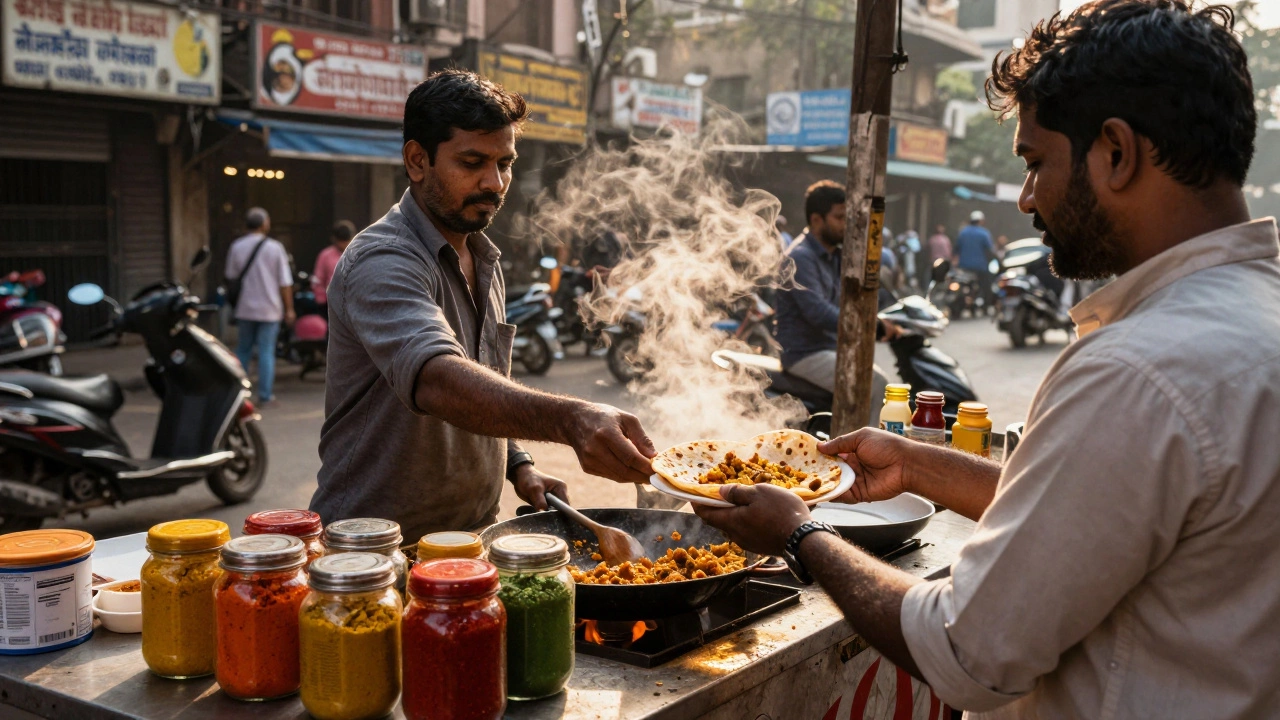
Do They Eat Eggs in India? A Real Look at Eggs in Indian Diets and Recipes
Eggs are widely eaten across India despite common assumptions about vegetarianism. From egg bhurji to egg curry, they're a daily protein source for millions-though consumption varies by region, religion, and personal choice.