Eggs in India: How They're Used, Eaten, and Understood Across the Country
When you think of eggs in India, a common food item with deep cultural, religious, and regional variations across the country. Also known as hen eggs, they're a cheap, high-protein staple for millions—but not everyone eats them. In some homes, eggs are cracked into a sizzling pan at sunrise with chili and onions, part of a crispy dosa or idli breakfast. In others, they’re never touched, avoided due to religious beliefs, caste traditions, or vegetarian identity.
The vegetarianism in India, a widespread dietary practice shaped by Hindu, Jain, and Buddhist traditions. Also known as plant-based eating in South Asia, it influences what shows up on every plate. While many Indians follow strict vegetarian diets, eggs often sit in a gray zone. Some consider them non-vegetarian because they come from an animal; others see them as clean, especially when unfertilized. This split isn’t just about food—it’s about identity, family rules, and regional habits. In Tamil Nadu and Kerala, egg curry is as normal as sambar. In Gujarat or Rajasthan, even seeing an egg on your plate might raise eyebrows.
South Indian breakfast, a category of morning meals centered around rice, lentils, and fermented batters. Also known as Kerala or Tamil breakfasts, it’s where eggs often steal the show. Think of a spicy egg roast tucked into a hot dosa, or boiled eggs served with coconut chutney and filter coffee. These aren’t fancy dishes—they’re daily routines. People who eat eggs in the south don’t see them as a luxury. They’re practical: easy to cook, packed with protein, and keep you full until lunch. Meanwhile, in the north, eggs show up more in urban kitchens or as a post-workout snack, rarely in traditional meals like paratha or chole.
There’s also the question of eggs in India and money. For low-income families, eggs are one of the few affordable ways to get quality protein. A single egg costs less than a cup of tea in many places. Yet, even with their low price, they’re still avoided by some due to stigma—not because of cost, but because of what eating them says about you.
And then there’s the science. Eggs are rich in choline, vitamin B12, and healthy fats—nutrients many Indians miss because their diets rely too heavily on rice and lentils. But here’s the catch: if you’re eating dal every night and skipping eggs because of tradition, you might be missing out on something your body needs. That’s why more doctors and nutritionists in cities are quietly encouraging people to reconsider eggs—not as a Western trend, but as a local solution to real health gaps.
What you’ll find below isn’t a debate about whether eggs are good or bad. It’s a look at how they actually live in Indian kitchens—how they’re cooked, avoided, celebrated, and misunderstood. From street vendors frying eggs with curry leaves to grandmothers refusing to serve them to grandchildren, these stories aren’t about diet trends. They’re about culture, family, and the quiet rules that shape what ends up on your plate every morning.
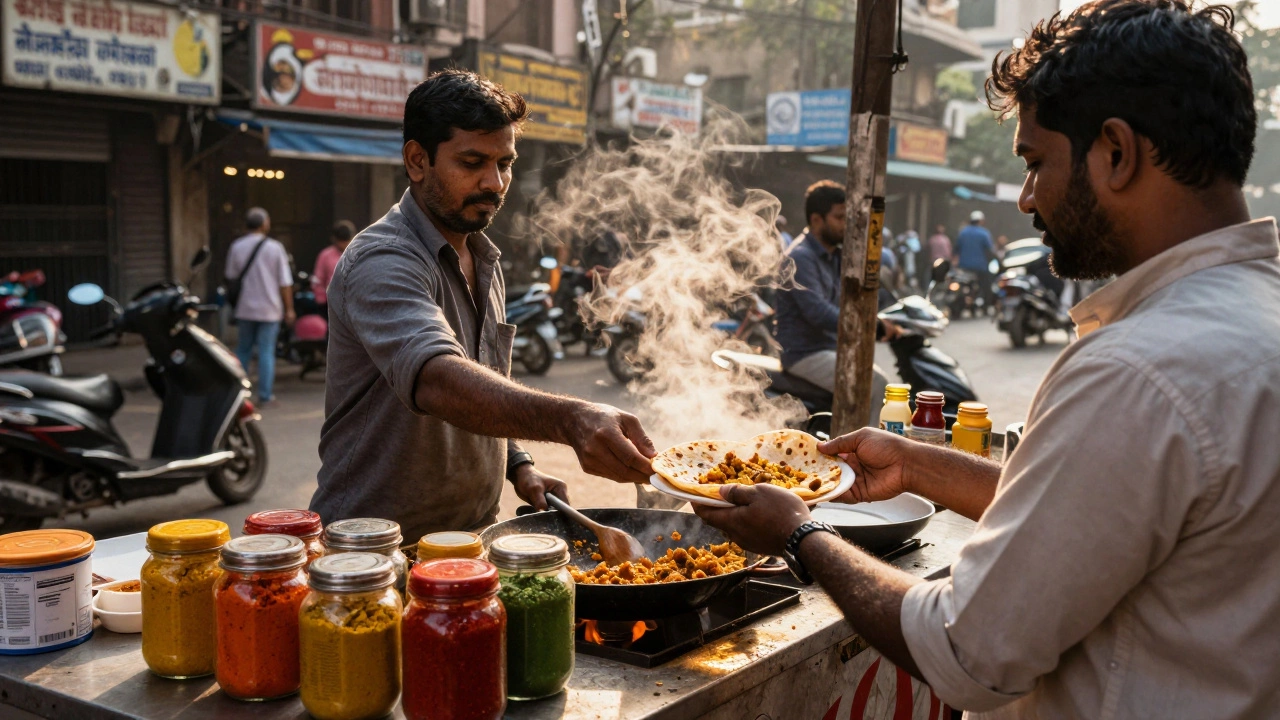
Do They Eat Eggs in India? A Real Look at Eggs in Indian Diets and Recipes
Eggs are widely eaten across India despite common assumptions about vegetarianism. From egg bhurji to egg curry, they're a daily protein source for millions-though consumption varies by region, religion, and personal choice.