How to Make Biryani Smell Good
When you open a pot of biryani, a layered rice dish from South Asia known for its rich spices, tender meat, and intoxicating fragrance. Also known as biryani rice, it’s more than just a meal—it’s an experience built on scent as much as taste. If your biryani falls flat, it’s not because you used the wrong rice. It’s because the aroma didn’t get a chance to breathe. The magic isn’t in the amount of spice—it’s in how you release it.
The secret to that deep, heady smell starts with whole spices, intact seeds and pods like cardamom, cloves, cinnamon, and bay leaves that slowly release oils when fried in ghee. Toast them gently in hot oil before adding anything else. Don’t skip this step. A pinch of cumin or coriander powder won’t give you the same lift. Whole spices bloom. They wake up. That’s when the real fragrance begins.
Then there’s the saffron, the golden thread that turns rice amber and adds a floral, honeyed note that lingers. Soak a few strands in warm milk for 10 minutes and drizzle it over the rice before sealing the pot. It’s not just color—it’s scent. And don’t forget fried onions, crispy, caramelized bits that add sweetness and depth, sticking to the bottom and sides of the pot to create a crust that traps steam and aroma. They’re not garnish. They’re aroma anchors.
Layering matters too. Don’t dump everything in at once. Start with rice, then meat, then more rice, then onions, then saffron milk. Each layer traps the one below. Seal the pot with dough or a tight lid and let it steam slowly. That’s when the steam carries the spices upward, wrapping every grain in fragrance. Open it too early, and you lose half the smell.
And yes, the water you use matters. Use filtered water. Tap water with chlorine or minerals can dull the spices. Even the type of rice makes a difference—basmati, aged for at least a year, has a natural nutty aroma that holds up under steam. Rinse it until the water runs clear. That removes excess starch and lets the spice fragrance cling better.
People think it’s the curry powder or the garam masala. But those are just the background. The real stars are the whole spices, the saffron, the fried onions, and the slow steam. Get those right, and your biryani doesn’t just smell good—it fills the whole house. Neighbors knock. Kids stop playing. You don’t need to say a word. The scent says it all.
Below, you’ll find real tips from people who’ve made biryani for decades—what they do differently, what they swear by, and what they avoid. No fluff. Just what works.
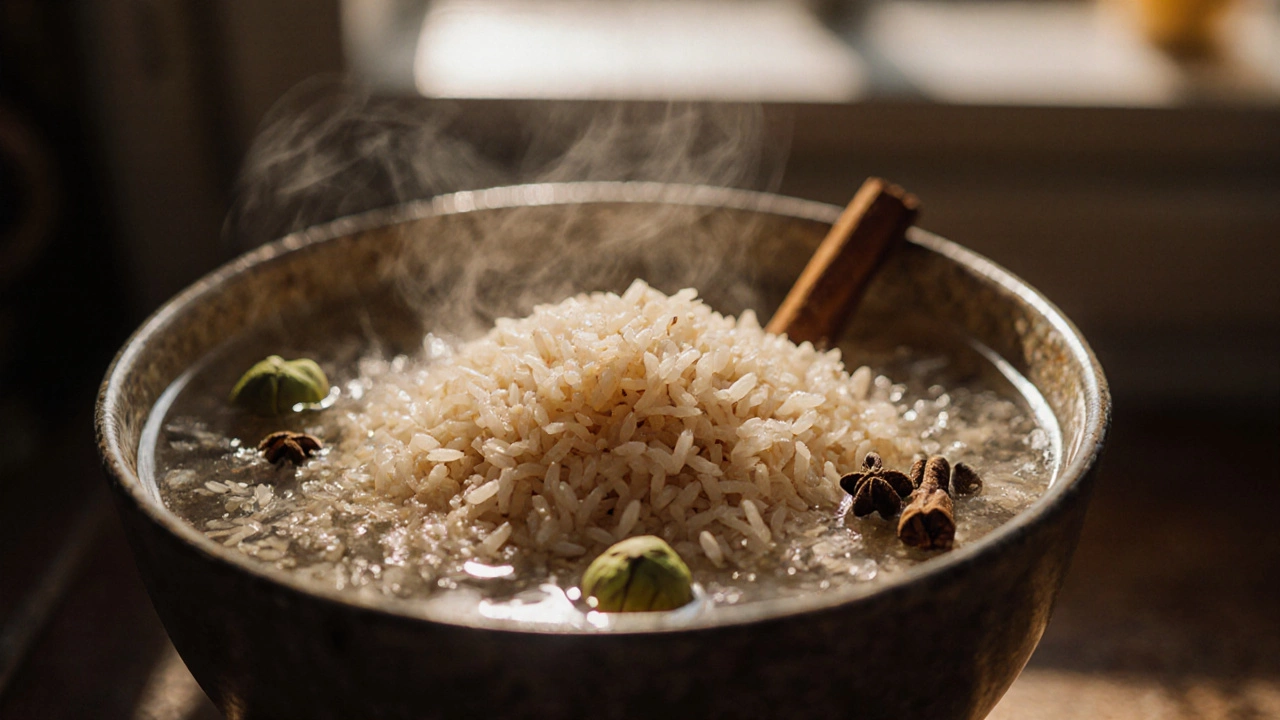
What Gives Good Smell to Biryani? The Secret Ingredients Behind the Aroma
Discover the real ingredients and techniques that give biryani its unforgettable aroma-from soaked Basmati rice to saffron, rose water, and slow dum cooking. No fluff, just proven tricks from traditional kitchens.