
13 Jan 2026
- 0 Comments
Paneer Gut Health Calculator
Your Paneer Consumption
Many people in India and beyond eat paneer daily - in curries, salads, sandwiches, even grilled as a snack. But if you’ve ever felt bloated, gassy, or uncomfortable after eating it, you might wonder: is paneer bad for gut health? The answer isn’t simple. It depends on how it’s made, how much you eat, and how your body handles dairy.
What is homemade paneer, really?
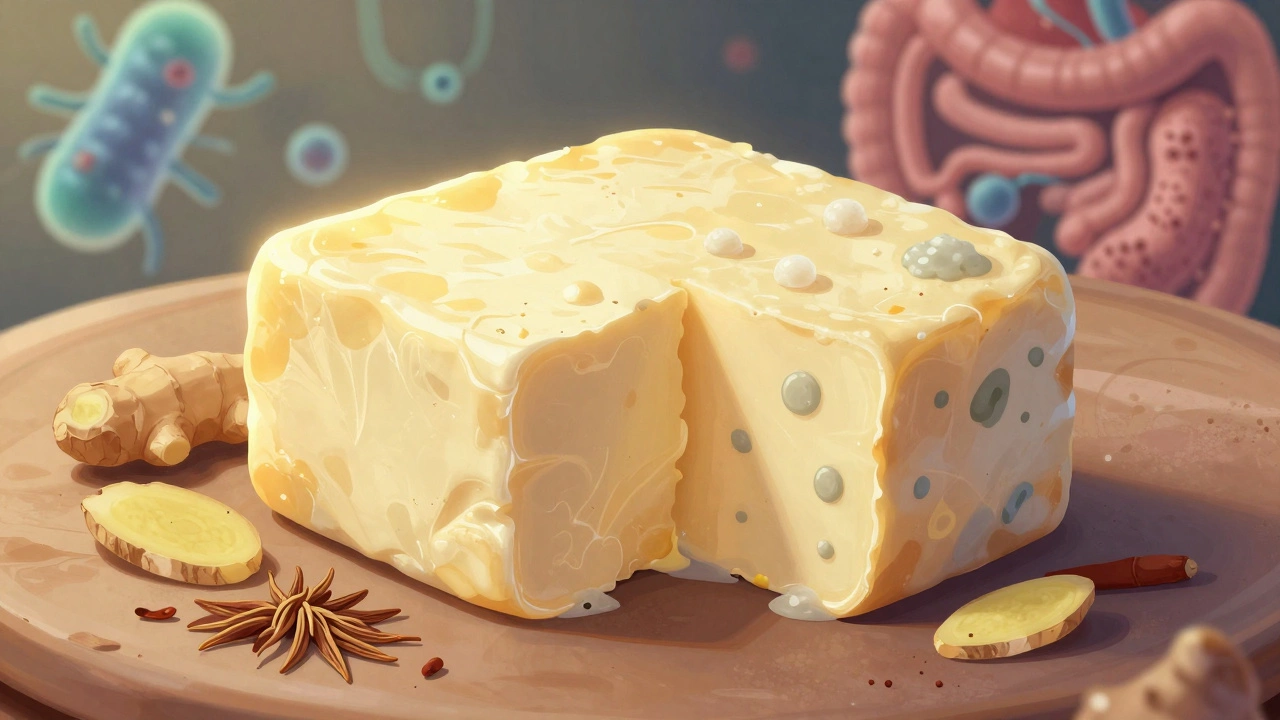
Homemade paneer is just curdled milk. You heat milk, add lemon juice or vinegar, wait for the curds to separate, then strain and press them into a soft block. No additives. No preservatives. No ultra-pasteurization. That’s it. Compared to store-bought paneer, which can contain stabilizers like carrageenan or gums, homemade paneer is about as clean as dairy gets.
Because it’s made at home, you control the milk source. If you use full-fat cow’s milk from grass-fed cows, you’re getting more conjugated linoleic acid (CLA) and omega-3s - fats linked to reduced inflammation. If you use buffalo milk, you get more protein and fat, but also more lactose. That matters.
Paneer and lactose: the real issue
Lactose is the sugar in milk. Your body breaks it down with an enzyme called lactase. Most adults produce less lactase as they age - about 65% of the global population has some degree of lactose intolerance. But here’s the key: paneer has very little lactose.
When milk curdles, most of the lactose stays in the whey. When you drain and press the curds, you remove that liquid. Homemade paneer typically contains less than 1 gram of lactose per 100 grams. That’s less than a quarter of the lactose in a cup of milk. For many people with mild lactose intolerance, that’s manageable.
A 2023 study in the Journal of Dairy Science tested 12 types of Indian cottage cheese, including homemade paneer. The average lactose content was 0.7g per 100g. Compare that to yogurt (4.7g) or milk (5g). So if you’re avoiding dairy because of bloating, paneer might be your best bet.
Probiotics? Not really - but still helpful
Some people assume paneer is a probiotic food, like yogurt or kefir. It’s not. The acid used to curdle it (lemon juice, vinegar) kills off most live bacteria. Unlike fermented dairy, paneer doesn’t contain live cultures that colonize your gut.
But that doesn’t mean it’s bad for your microbiome. Paneer is rich in casein, a slow-digesting protein that feeds beneficial gut bacteria indirectly. When gut microbes break down casein, they produce short-chain fatty acids like butyrate - the same fuel your colon cells use to stay healthy. A 2021 study in Nutrients showed that regular casein intake correlated with higher levels of Faecalibacterium prausnitzii, a bacteria linked to reduced gut inflammation.
What about fat and digestion?
Homemade paneer is often made with full-fat milk. That means it’s high in saturated fat - about 20g per 100g. For most people, that’s fine. But if you have gallbladder issues, irritable bowel syndrome (IBS), or slow digestion, high-fat foods can trigger discomfort.
One woman in Mumbai, 42, told her gastroenterologist she felt heavy and nauseous after eating paneer tikka. She switched to low-fat paneer made with 2% milk. The bloating disappeared. Her stool consistency improved. She didn’t change anything else. Simple fix.
If you’re sensitive to fat, try making paneer with skim or low-fat milk. You’ll get the same protein, fewer calories, and less digestive strain. The texture will be a little firmer, but it works fine in curries and stir-fries.
Processing matters - more than you think
Store-bought paneer often contains additives to extend shelf life. Carrageenan, for example, is a thickener linked in animal studies to gut inflammation and leaky gut. While human evidence is still limited, many people with IBS report feeling better after cutting it out.
Homemade paneer has none of that. No gums. No emulsifiers. No preservatives. Just milk and acid. That’s a big win for gut health.
Also, if you’re using pasteurized milk, the heat treatment can reduce natural enzymes that help digestion. Some people swear by raw milk paneer. But in Australia, raw milk is illegal for sale. So if you’re making it at home with pasteurized milk, don’t worry - it’s still digestible for most.
Who should avoid paneer?
Not everyone. But some people should be careful:
- Severe lactose intolerance: Even 1g of lactose can cause symptoms if you’re extremely sensitive. Try a small 30g portion first.
- Casein allergy: This is rare, but different from lactose intolerance. If you get hives, swelling, or breathing trouble after dairy, see a doctor.
- IBS with high-fat triggers: If fatty foods make you cramp or diarrhea, go low-fat.
- Acid reflux: Dairy can thicken stomach contents and delay emptying. If you get heartburn after meals with paneer, try eating smaller portions or pairing it with ginger or fennel.
How to eat paneer for better digestion
If you want to enjoy paneer without gut trouble, try these simple tricks:
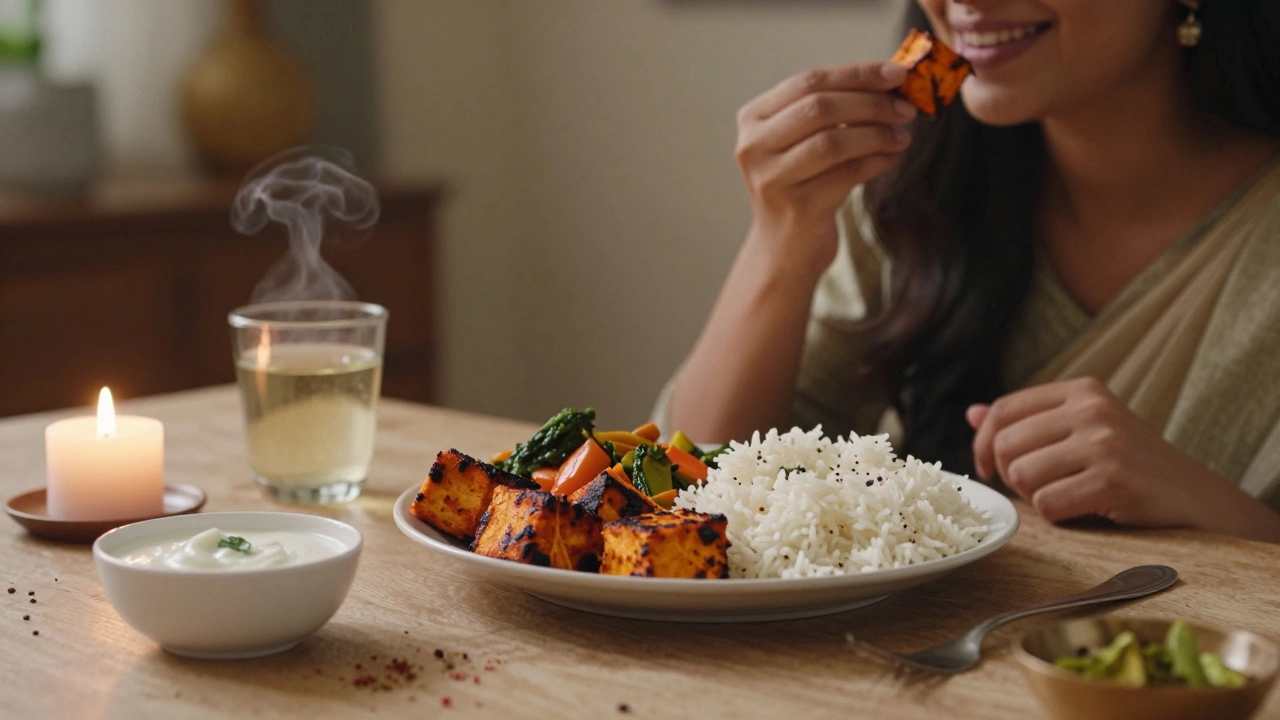
- Pair it with digestive spices: Cumin, coriander, ginger, and asafoetida (hing) are common in Indian cooking for a reason. They reduce gas and bloating. Add them to your paneer curry.
- Eat it warm, not cold: Cold paneer in salads can slow digestion. Lightly pan-fry or grill it to make it easier to break down.
- Don’t overeat: 100-150g per meal is plenty. More than that, especially on an empty stomach, can overwhelm your system.
- Drink warm water after: Not iced tea. Not cold soda. Warm water helps move food through your gut.
- Try fermented sides: Serve paneer with a small bowl of yogurt or pickle. Even though paneer isn’t fermented, the side dish can help balance your gut flora.
Bottom line: Is paneer bad for gut health?
No, homemade paneer isn’t bad for gut health - unless you have a specific intolerance or allergy. For most people, it’s a gentle, high-protein food that supports digestion when eaten in moderation and with the right spices.
The problem isn’t paneer. It’s how it’s made, how much you eat, and what you eat it with. Store-bought versions with additives? Avoid. Large portions of fatty paneer with no spices? Might cause trouble. Homemade, spiced, warm, and in reasonable amounts? It’s likely helping your gut more than hurting it.
If you’ve been avoiding paneer because you thought it was ‘bad for digestion,’ give it another try - the right way. Your gut might thank you.
Can I eat paneer if I’m lactose intolerant?
Yes, most people with mild to moderate lactose intolerance can eat homemade paneer. It contains less than 1 gram of lactose per 100 grams - far less than milk or yogurt. Start with a small portion (30-50g) and see how your body reacts. If you’re severely intolerant, you may still feel discomfort, but paneer is one of the safest dairy options.
Does paneer cause bloating?
Paneer itself doesn’t cause bloating for most people. But if you eat too much, eat it cold, or pair it with heavy sauces, you might feel full or gassy. Bloating usually comes from overeating, eating too fast, or combining paneer with gas-producing foods like beans or cabbage. Adding digestive spices like cumin or ginger helps prevent this.
Is store-bought paneer worse for digestion than homemade?
Yes, often. Many commercial paneer brands add carrageenan, guar gum, or preservatives to improve texture and shelf life. These additives can irritate the gut lining in sensitive people. Homemade paneer has none of that - just milk and acid. If you have IBS or chronic bloating, homemade is always the better choice.
Can paneer help with constipation?
Paneer doesn’t contain fiber, so it won’t directly relieve constipation. But its protein and fat can help slow digestion, which may help regulate bowel movements in people with loose stools. For constipation, pair paneer with high-fiber foods like lentils, vegetables, or whole grains. Don’t rely on paneer alone.
Should I avoid paneer if I have IBS?
It depends. If your IBS is triggered by high-fat foods, choose low-fat paneer made with 2% milk. If lactose is your trigger, try a small portion first. Many IBS patients tolerate paneer better than milk or cheese. Keep a food diary for two weeks: note what you eat and how you feel. You might find paneer is fine in moderation.