13 Feb 2026
- 0 Comments
Dosa Batter Ratio Calculator
Calculated Ratio:
Recommended ratio: 2:1 to 4:1 (rice to urad dal)
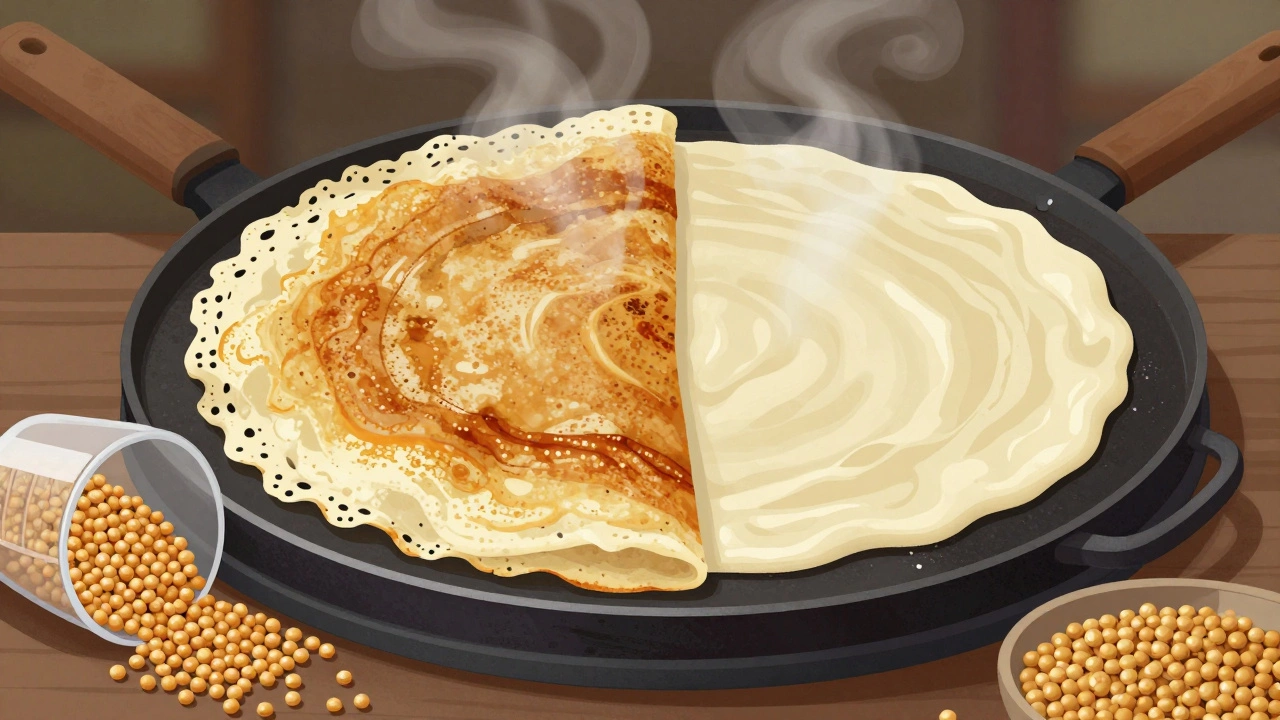
Ever made dosas that stuck to the pan, didn’t crisp up, or turned out too spongy? Chances are, you added too much urad dal. It’s one of those subtle mistakes that doesn’t seem like a big deal when you’re measuring - but it completely changes the outcome. Urad dal is the secret behind that light, airy, golden-brown dosa. But like any good thing, too much of it breaks the balance.
Why Urad Dal Matters in Dosa Batter
Urad dal (black gram) is the backbone of traditional South Indian dosa batter. It’s not just there for protein - it’s the main source of fermentation. When soaked and ground, urad dal releases natural enzymes and sugars that feed the wild yeast and lactic acid bacteria in the air. These microbes do the real work: they break down starches, produce carbon dioxide, and make the batter rise. That’s what gives dosa its signature puffiness and crisp edges.
But here’s the catch: urad dal has a high protein and fat content. Too much of it, and those fats start to interfere with the gluten-like structure that forms during fermentation. Instead of a smooth, stretchy batter, you get something thick, heavy, and slow to ferment. The result? Dosa that doesn’t spread well, takes forever to cook, and ends up gummy inside.
What Happens When You Use Too Much Urad Dal
Let’s say your recipe calls for 1 cup of idli rice and ½ cup of urad dal. That’s the classic 2:1 ratio. Now imagine you accidentally pour in ¾ cup - or worse, a full cup - of urad dal. Here’s what you’ll notice:
- The batter doesn’t ferment properly. Excess urad dal creates a dense, oily layer on top. The yeast can’t move through it easily, so the batter stays flat. You might see bubbles, but they’re small and don’t expand the volume like they should.
- Dosas turn rubbery, not crisp. The extra protein binds too tightly. Instead of that satisfying crunch, you get a chewy, almost pancake-like texture. They’ll stick to the pan because the batter lacks the right fluidity to spread thin.
- The flavor turns bitter. Urad dal has a slightly earthy taste. When used in excess, especially if fermented too long, it can develop a sour, almost metallic aftertaste. It’s not unpleasant, but it overpowers the subtle rice sweetness.
- Cooking time skyrockets. Thick batter means you need more heat and more time to cook each dosa. You’ll end up burning the outside before the inside is done. Or worse - you’ll flip it too early, and it tears apart.
One home cook in Chennai told me she once used 1:1 urad dal to rice because she thought “more dal = fluffier dosa.” Her dosas looked like soft, pale discs that didn’t crisp at all. She threw out three batches before realizing the ratio was wrong.
The Science Behind the Perfect Ratio
Traditional South Indian recipes use a 3:1 or 4:1 ratio of rice to urad dal. That’s 3 cups rice to 1 cup urad dal. Some modern versions use 2:1, especially if you’re adding fenugreek seeds or poha for extra crispness. But going beyond 1:1 - rice to urad dal - is where things go sideways.
Why? Because rice provides starch, which turns into a delicate, brittle structure when cooked. Urad dal provides the lift. Too much lift, and you lose the structure. It’s like making bread with too much yeast - it rises too fast, collapses, and ends up dense.
A 2023 study from the Central Food Technological Research Institute in Mysore tested 12 different dosa batter ratios. The winner? 3.5:1 rice to urad dal. It had the highest gas production during fermentation, the crispiest texture after cooking, and the best shelf life (up to 7 days in the fridge). Any ratio above 2:1 showed a 40% drop in crispness and a 30% increase in cooking time.
How to Fix It If You’ve Already Made the Mistake
You’ve mixed the batter. You realize you used too much urad dal. Don’t panic. You can still save it.
- Add more rice flour. Mix in ¼ to ½ cup of fine rice flour (not raw rice - pre-ground flour). This dilutes the protein overload and helps restore the batter’s flow.
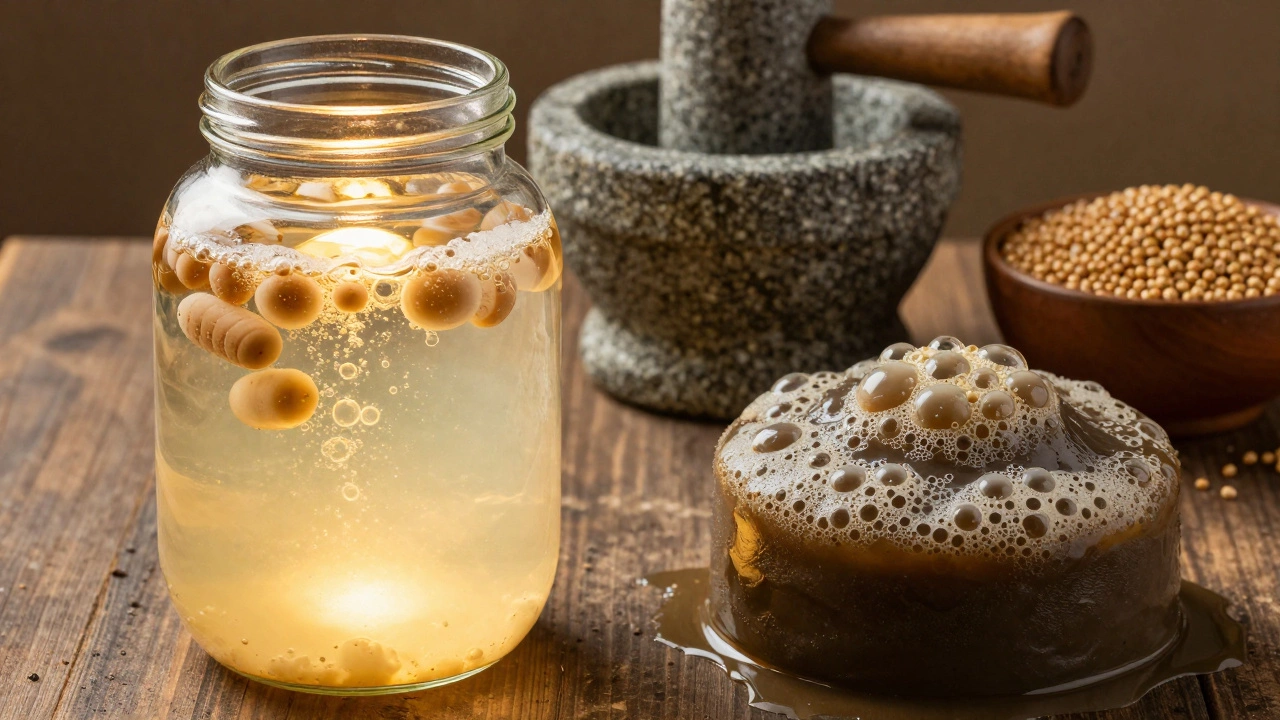
- Let it ferment longer. Give it 12-16 hours instead of 8. Extra time lets the microbes break down the excess protein and fat. Keep it warm - near a radiator or in an oven with the light on.
- Add a pinch of salt. Salt helps control fermentation and can reduce bitterness. It also improves texture.
- Thin it out with water. If the batter is too thick, add 2-3 tablespoons of cold water. Stir gently. Don’t whisk - you want to preserve the air bubbles.
If you’re in a hurry and need to cook right away, make mini dosas. Smaller ones cook faster and crisp better, even with a flawed batter.
How to Get It Right Every Time
Here’s a foolproof method that works in Sydney’s cool kitchen as well as in Chennai:
- Use 3 cups idli rice (not regular long-grain rice - it’s shorter and starchier).
- Use 1 cup whole urad dal (skin-on, not dehusked).
- Add 1 tsp fenugreek seeds (they boost fermentation and add a slight bitterness that balances the flavor).
- Soak rice and fenugreek together for 4 hours.
- Soak urad dal separately for 2 hours - it absorbs water faster.
- Grind urad dal first with just enough water to make a smooth, fluffy paste. Then grind rice separately with cold water until smooth but slightly grainy.
- Mix both pastes together. Add salt. Cover and leave in a warm spot for 8-10 hours.
Test your batter: dip a spoon into it. If it floats slowly and leaves a trail, it’s ready. If it sinks fast, wait longer. If it’s too thick, add a splash of water.
Common Myths About Urad Dal
People think:
- “More urad dal = fluffier dosa.” False. Fluffiness comes from fermentation, not quantity. Too much makes it heavy.
- “Dehusked urad dal works better.” No. The skin contains natural enzymes that help fermentation. Dehusked dal ferments slower and gives dull-colored dosas.
- “You can use a blender instead of a stone grinder.” You can, but the heat from the blades kills some of the good bacteria. Stone grinders keep the batter cooler, which helps good microbes thrive.
What to Do If Your Dosa Still Doesn’t Work
Even with the right ratio, dosas can fail. Here’s what else to check:
- Pan temperature. It should be medium-hot - not smoking, not cold. A drop of water should sizzle and dance.
- Oil or ghee. Use just a teaspoon around the edges. Too much makes it greasy. You want crisp, not oily.
- Fermentation environment. If you live somewhere cool (like Sydney in winter), place the batter near a warm appliance. A turned-off oven with the light on works wonders.
One trick I learned from a Tamil aunty in Bondi: add 1 tablespoon of cooked, cooled rice to the batter. It adds extra starch and helps with crispness. It’s not traditional, but it works.
Final Thought
Dosa isn’t about perfection. It’s about balance. Too little urad dal, and your dosa won’t rise. Too much, and it won’t crisp. The magic happens right in the middle - where science, tradition, and a little patience come together. Stick to the ratio. Trust the process. And don’t be afraid to make mistakes. Every burnt dosa is a lesson.
Can I use urad dal flour instead of whole urad dal for dosa batter?
No. Urad dal flour is ground after soaking and drying, which kills the natural enzymes needed for fermentation. Whole urad dal, when soaked and ground fresh, releases the bacteria-friendly sugars and proteins that make dosa batter rise. Flour will give you a flat, dense batter that doesn’t ferment properly.
Why does my dosa batter smell sour?
A slight sour smell is normal - it’s lactic acid from fermentation. But if it smells strongly alcoholic or rotten, your batter has over-fermented. This often happens when the temperature is too high or you used too much urad dal. Discard it and start fresh. Next time, ferment for 8-10 hours instead of 12+.
Can I refrigerate batter with too much urad dal to fix it?
Refrigerating won’t fix it. Cold slows fermentation, but it doesn’t reverse the imbalance. If you’ve added too much urad dal, the batter is already too dense and oily. You’ll need to adjust it by adding rice flour or water, as mentioned earlier. Refrigeration only delays the problem.
Is it okay to use soaked urad dal without grinding it?
No. Whole soaked urad dal won’t ferment evenly or create the smooth batter needed for dosa. The texture will be gritty, and the batter won’t spread. Always grind urad dal into a fine, airy paste. That’s what traps the gas and gives dosa its lift.
What if I accidentally used raw rice instead of idli rice?
It’ll still work, but the dosa won’t be as crisp. Idli rice has higher amylose content, which creates a firmer, crunchier texture when cooked. Regular long-grain rice makes softer, stickier dosas. If you only have regular rice, add 1 tablespoon of rice flour to the batter to help firm it up.