3 Feb 2026
- 0 Comments
Curry Heat Level Adjuster
0-4 heat
5-7 heat
8-10 heat
Article Tip: Add a splash of yogurt or cream to reduce heat if it's too spicy. As the article states: "Too spicy? Add yogurt or cream."
For beginners, we recommend 3-4 on the heat scale. This gives you a mild curry like Chicken Tikka Masala.
Tip: As the article explains, "The best curry for beginners isn't about heat—it's about balance."
Starting with Indian curry can feel overwhelming. Spices you’ve never heard of, long ingredient lists, and the fear of making something too spicy or too bland. But here’s the truth: Indian curry doesn’t have to be complicated. In fact, some of the most comforting, flavorful curries are the easiest to make - especially if you’re just beginning.
Many people assume all Indian curries are fiery hot. That’s not true. The best curry for beginners isn’t about heat - it’s about balance. It’s about gentle spices, forgiving ingredients, and a cooking process that doesn’t require perfect timing or fancy tools. You don’t need a tandoor oven or a spice grinder. Just a pot, a wooden spoon, and a little patience.
Why Chicken Tikka Masala Is the Top Pick for Beginners
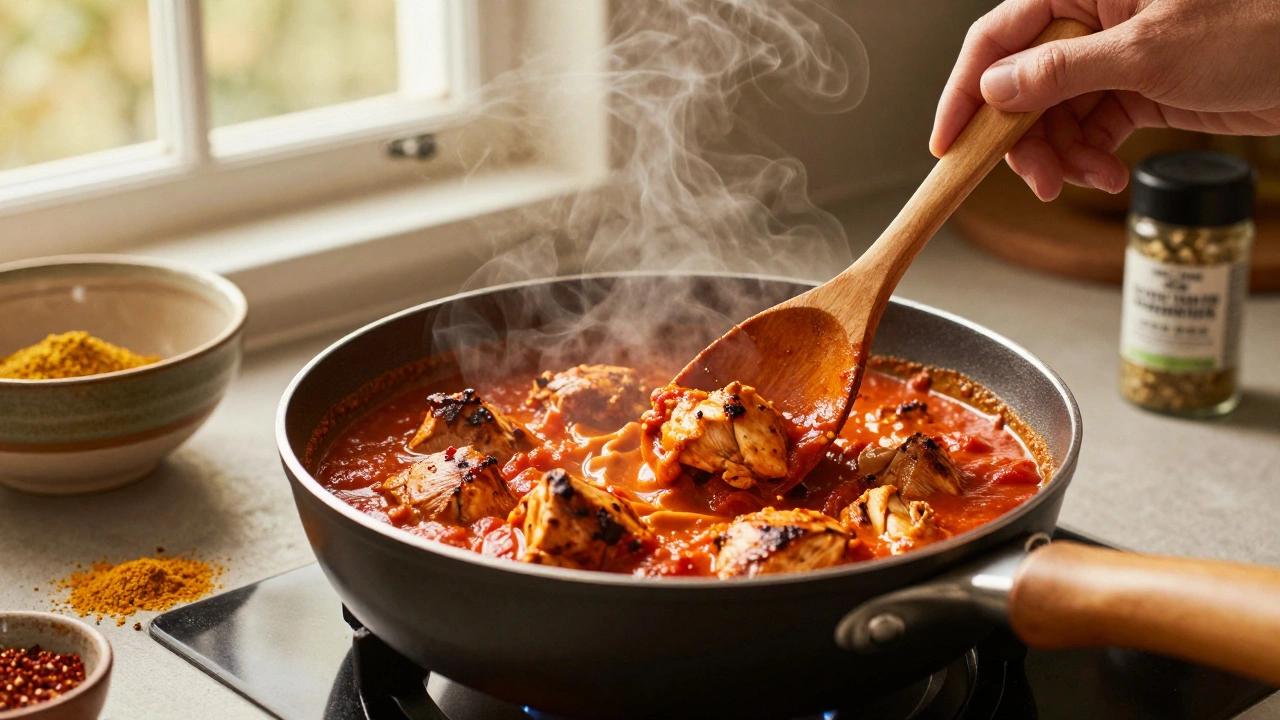
If you’ve ever ordered curry at a restaurant outside India, chances are you’ve had Chicken Tikka Masala. It’s not traditional in the way you’d find in a home kitchen in Punjab, but it’s become the gateway curry for millions. And for good reason.
This dish starts with simple ingredients: chicken, yogurt, tomato sauce, cream, and a handful of spices - cumin, coriander, turmeric, garam masala, and paprika. No fenugreek leaves. No mustard seeds. No asafoetida. Just flavors you can recognize and control.
You can make it in under 40 minutes. Brown the chicken in a pan, simmer it in the sauce, and you’re done. If it’s too thick? Add a splash of water. Too mild? A pinch more paprika. Too creamy? Skip the cream and use coconut milk instead. It’s forgiving. It’s adaptable. And it tastes like comfort.
Real-world tip: Many beginners skip browning the chicken. Don’t. That quick sear adds depth. You don’t need to cook it through - just get a little color on each piece. The rest happens in the sauce.
Paneer Butter Masala: The Vegetarian Alternative
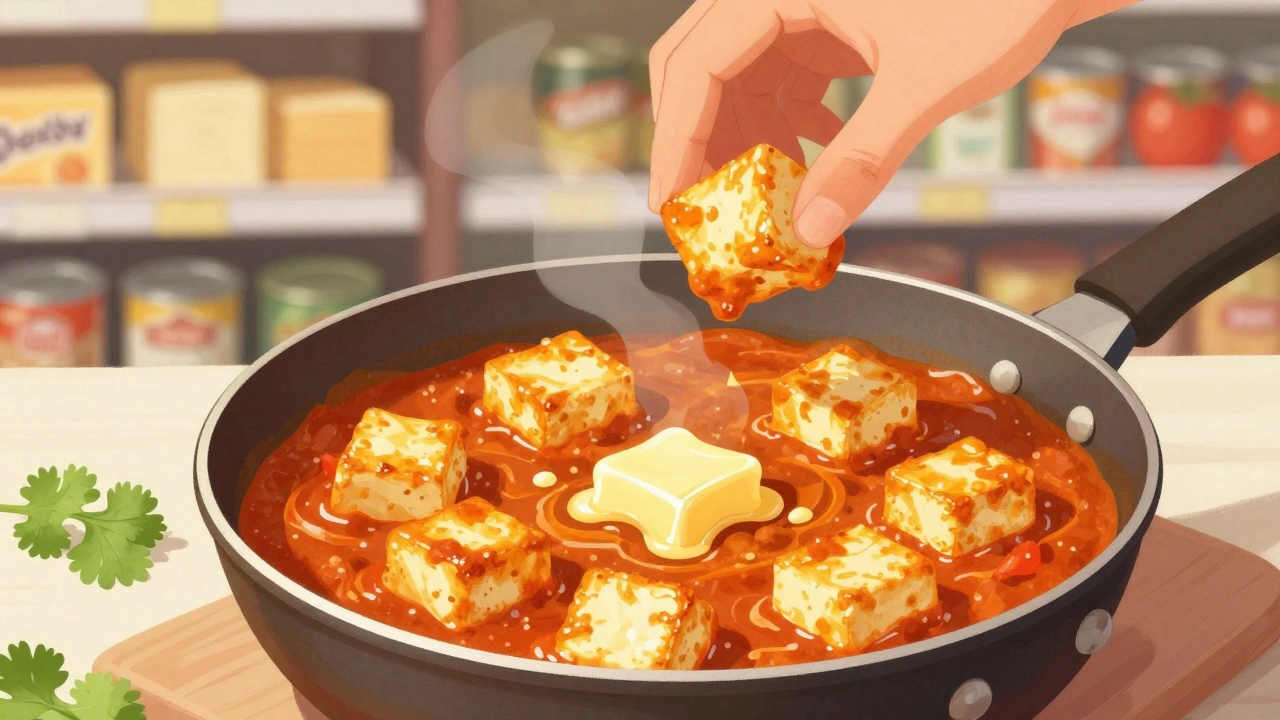
If you don’t eat meat, Paneer Butter Masala is your best friend. Paneer is a fresh Indian cheese that doesn’t melt. It holds its shape, so even if you overcook it a little, it won’t turn rubbery. That’s huge for beginners.
The sauce is similar to Chicken Tikka Masala - tomato-based, creamy, lightly spiced. But it’s sweeter, richer, and even more forgiving. You can use canned tomatoes if fresh ones aren’t in season. You can use butter or oil. You can skip the cream and use whole milk. It still tastes amazing.
One thing beginners love: you can buy paneer at most major supermarkets now. In Sydney, it’s in the dairy section next to the tofu. It costs about $5 a block. No need to make it from scratch.
Pro tip: Lightly pan-fry the paneer cubes before adding them to the sauce. It gives them a golden edge and keeps them from falling apart. Just two minutes per side. That’s it.
Why Avoid These Curries at First
Not all curries are beginner-friendly. Some require techniques or ingredients that add unnecessary complexity.
- Goan Fish Curry - Needs fresh coconut, tamarind paste, and dried red chilies. Too many variables.
- Chana Masala - Uses dried chickpeas. You have to soak them overnight. Canned chickpeas work, but the spice blend is strong and can overwhelm.
- Hyderabadi Biryani - A layered rice dish with saffron, fried onions, and slow cooking. It’s beautiful, but it’s a whole project.
- Phaal Curry - Yes, it’s real. And yes, it’s so spicy it’s used as a dare. Skip it.
These aren’t bad dishes. They’re just not the right place to start. You want to build confidence, not frustration.
The Spice Chart for Beginners
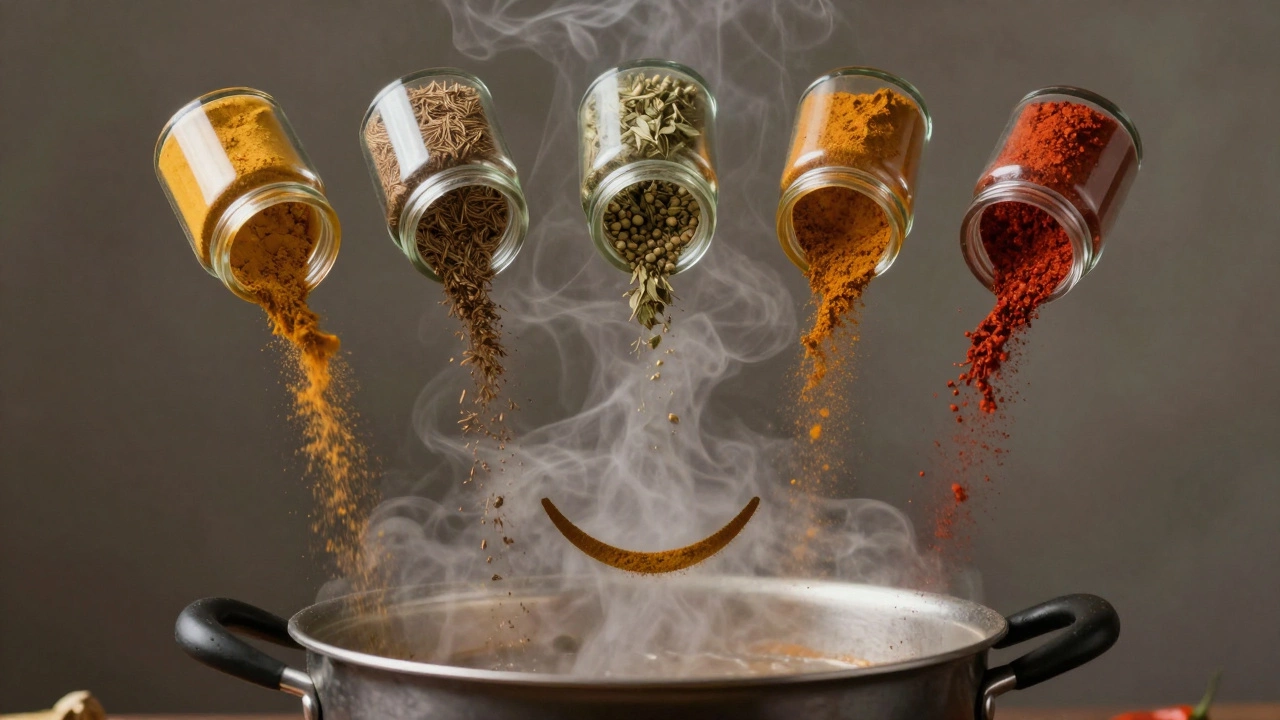
Spices are the heart of curry. But you don’t need all of them. Start with this core set:
| Spice | Flavor Profile | Where to Buy |
|---|---|---|
| Turmeric | Earth, slightly bitter, gives yellow color | Supermarkets, Indian grocery stores |
| Cumin (jeera) | Warm, nutty, smoky | Most supermarkets, bulk bins |
| Coriander | Citrusy, floral, mild | Indian stores, online spice shops |
| Garam masala | Warm blend - cinnamon, cardamom, cloves | Pre-mixed in jars - easiest to start with |
| Paprika | Sweet, mild heat, red color | Supermarkets |
You can buy all of these in small jars at Coles, Woolworths, or any Indian grocery. Garam masala is the secret weapon. It’s a pre-blended mix that adds complexity without you having to measure five different spices.
One mistake beginners make: adding spices too early. Don’t dump them in with the onions. Wait until the onions are soft and golden. Then add the spices and stir for 30 seconds. That’s when the magic happens - the oils release, the aroma blooms. Smell it. That’s your cue to move on.
How to Adjust Flavor as You Go
Curry isn’t a one-shot recipe. It’s a conversation between you and the pot.
- Too bland? Add a pinch of sugar or a splash of lemon juice. It wakes up the flavors.
- Too thick? Stir in water, broth, or coconut milk. Don’t be afraid to thin it out.
- Too spicy? Add yogurt or cream. A dollop at the end helps tame heat.
- Too oily? Skim off the top layer with a spoon. Fat floats.
Test your curry at the end. Take a spoonful, let it cool a little, then taste. That’s when you’ll really feel the balance. Don’t taste right after cooking - the heat masks the flavor.
What to Serve With Your First Curry
You don’t need fancy sides. Just something to soak up the sauce.
- Rice - Basmati is best. Rinse it three times before cooking to remove excess starch. It’ll be fluffy, not sticky.
- Naan - Buy it frozen. Warm it in the oven or toaster. It’s cheaper than making it.
- Plain yogurt - A small bowl on the side cools the palate. Add a pinch of salt and cumin to it if you want.
- Cucumber salad - Chop cucumber, sprinkle with salt and lemon. Let it sit for 10 minutes. It’s refreshing and cuts through richness.
Don’t overthink it. A bowl of rice, a piece of naan, and your curry? That’s a full meal. No need for pickles, chutneys, or garnishes yet.
Common Mistakes (and How to Avoid Them)
- Using pre-made curry paste - It’s convenient, but it’s not real Indian cooking. It’s a shortcut that skips flavor building. Save it for emergencies.
- Not toasting spices - Raw spices taste flat. A quick 30-second sizzle in oil makes all the difference.
- Adding too much salt at the start - Sauce reduces. Salt concentrates. Add it at the end.
- Stirring too much - Let the sauce simmer gently. Constant stirring breaks down the texture.
The goal isn’t perfection. It’s progress. Your first curry won’t be like your grandmother’s. But if it’s tasty, warm, and made by you? That’s the win.
Next Steps After Your First Curry
Once you’ve nailed Chicken Tikka Masala and Paneer Butter Masala, try these next:
- Vegetable Korma - Uses the same sauce, but with carrots, potatoes, peas. Easy and colorful.
- Chana Dal - Yellow split peas cooked with turmeric and cumin. Simple, healthy, and ready in 25 minutes.
- Butter Chicken - Similar to Tikka Masala, but with more tomato and less cream. A step up in depth.
Each one builds on what you already know. No new spices. No new techniques. Just slightly different combinations.
Indian cooking isn’t about memorizing recipes. It’s about learning how flavors work together. Once you understand that, you can make curry your way - even if you don’t have a single spice from India in your pantry.
What is the mildest Indian curry for beginners?
The mildest Indian curries for beginners are Chicken Tikka Masala and Paneer Butter Masala. Both use gentle spices like paprika and garam masala instead of hot chilies. The sauces are creamy and tomato-based, which naturally balances any heat. If you want even milder, skip paprika and use sweet smoked paprika or just a pinch of turmeric for color.
Can I make Indian curry without a spice grinder?
Absolutely. Pre-ground spices from a jar work perfectly fine for beginners. You don’t need to toast whole cumin seeds or grind coriander yourself. Store-bought ground spices are already processed for flavor release. Just make sure they’re fresh - if they smell dusty or bland, replace them. A jar of garam masala from a good brand is your best friend.
Do I need coconut milk for Indian curry?
No, coconut milk is not traditional in most North Indian curries. It’s common in South Indian and Thai dishes. For beginner curries like Tikka Masala or Butter Chicken, use heavy cream or even whole milk. Coconut milk changes the flavor profile - it adds sweetness and a tropical note. Save it for when you’re ready to experiment.
Is Indian curry healthy?
Yes, when made with whole ingredients. Curries are rich in vegetables, legumes, and spices like turmeric and cumin, which have anti-inflammatory properties. The biggest health concern is added fat - cream, butter, and oil. To make it healthier, use less cream, swap butter for oil, and add more vegetables. A bowl of curry with brown rice and cucumber salad is a balanced, nutrient-rich meal.
How long does homemade curry last?
Homemade curry keeps well in the fridge for up to 5 days. It often tastes better the next day as the flavors deepen. Freeze it in portions for up to 3 months. Thaw overnight in the fridge and reheat gently on the stove. Avoid microwaving if you can - it can make the sauce separate. Stir in a splash of water or milk when reheating to bring it back to life.