1 May 2026
- 0 Comments
Classic Indian Dish Selector
Select a dish below to see its details, flavor profile, and why it's a classic.
Filter by preference or click a dish to reveal its secrets!
Flavor Profile
Ask ten people what their favorite classic Indian dish is, and you’ll get ten different answers. One person will swear by the creamy richness of Butter Chicken, another will defend the humble comfort of Dal Makhani, and a third might insist that nothing beats a crispy Dosa from South India. This isn’t just food snobbery; it’s geography, history, and culture colliding on a plate. If you are looking for a single definition of "Indian food," you are looking in the wrong place. India doesn’t have one cuisine. It has dozens.
So, what actually makes a dish "classic"? Is it the age of the recipe? Its popularity across borders? Or simply how often your grandmother made it? In this guide, we break down the true icons of Indian cooking. We aren't just listing popular items; we are exploring the stories, ingredients, and techniques that make these dishes legendary. Whether you are a beginner trying to cook your first curry or a seasoned home cook wanting to refine your spice blend, understanding these classics is the key to mastering Indian flavors.
The North-South Divide: Why There Is No Single "Classic"
To understand Indian food, you first have to drop the idea that it is monolithic. The culinary map of India is split broadly into two distinct worlds: the North and the South. These regions use different staple grains, different cooking fats, and entirely different flavor profiles.
In the North Indian cuisine, wheat is king. You will see rotis (flatbreads), naans, and parathas on almost every table. The cooking relies heavily on dairy-ghee (clarified butter), cream, yogurt, and paneer (fresh cheese). Spices like garam masala, cardamom, and cloves are used to create warm, aromatic curries. Think rich, hearty, and comforting.
In contrast, South Indian cuisine is built on rice. Coconut is the star ingredient, providing oil, milk, and flesh for countless dishes. Tamarind brings a sharp sourness, while mustard seeds and curry leaves provide a distinctive pungent aroma. The textures here are often lighter, with fermented batters creating crispy Dosas and fluffy Idlis. If you think Indian food is always heavy red curry, you haven’t really tasted the South.
The Undisputed Champions: Top 5 Classic Indian Dishes
While regional variations exist, certain dishes have transcended their local origins to become global ambassadors for Indian food. Here are five dishes that define what many consider "classic."
1. Butter Chicken (Murgh Makhani)
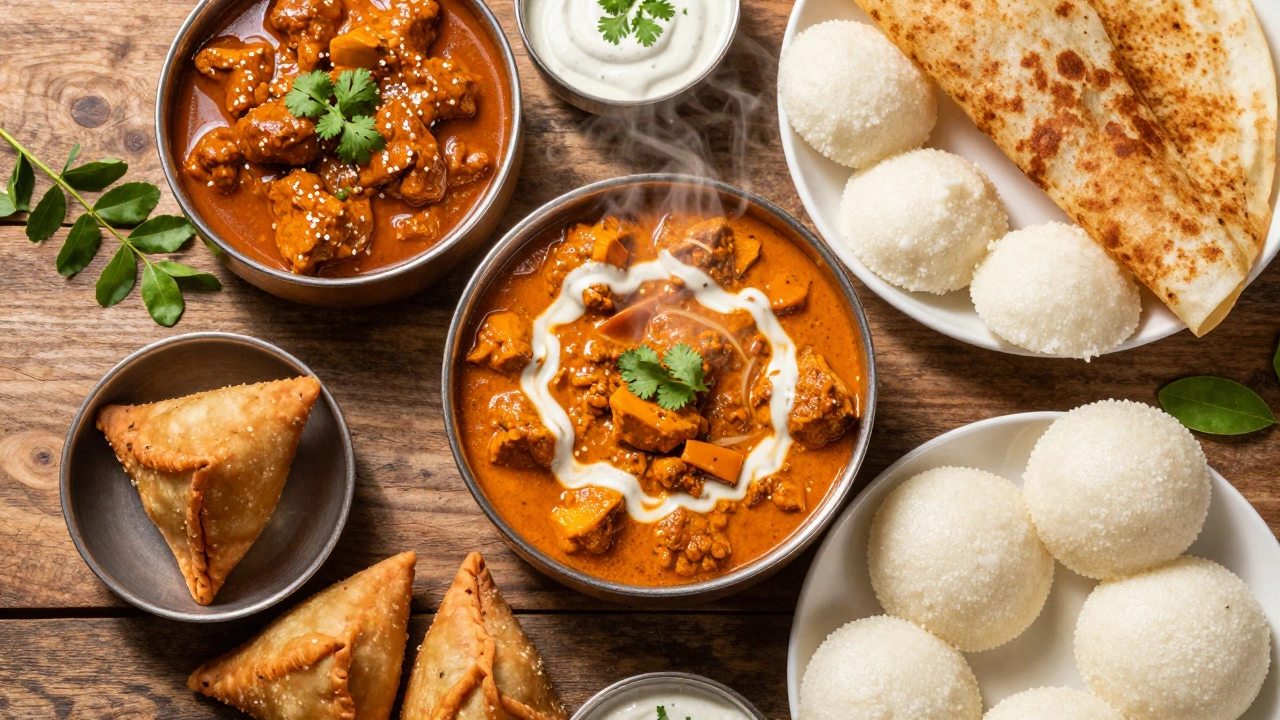
If there is one dish that introduced the world to Indian food, it is Butter Chicken. Originating in Delhi in the 1950s, this dish was born out of necessity. Chefs at Khyali Restaurant wanted to prevent leftover tandoori chicken from drying out. They simmered the meat in a tomato-based gravy enriched with butter and cream.
The result was a mild, velvety, slightly sweet curry that appealed to Western palates. Today, it is the most ordered dish in Indian restaurants worldwide. For an easy Indian recipe version at home, start with roasted chicken pieces. Sauté onions until golden, add ginger-garlic paste, and then tomatoes. Blend this base into a smooth puree. Simmer with heavy cream, kasuri methi (dried fenugreek leaves), and plenty of butter. Serve with garlic naan to soak up every drop.
2. Dal Makhani
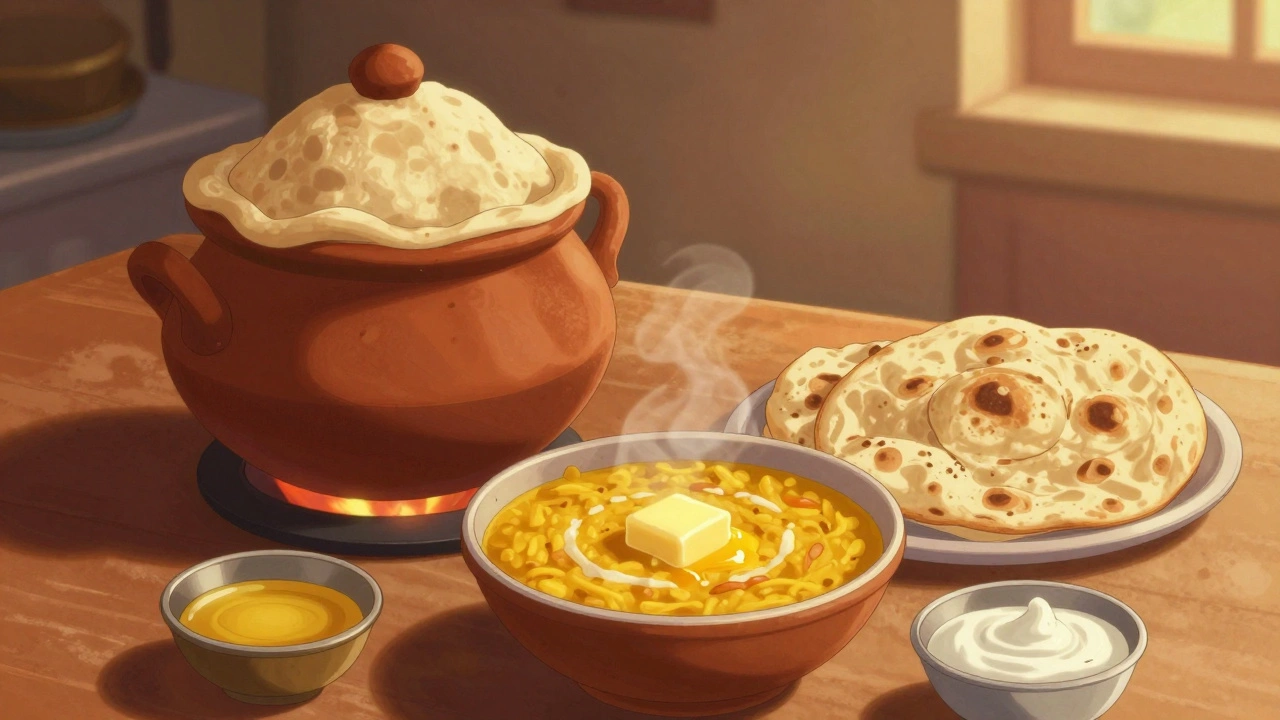
Dal Makhani translates to "creamy lentils." This dish is a masterpiece of patience. Traditionally associated with Punjabi truck drivers who would simmer black urad dal (split black gram) and kidney beans overnight on low heat, it is now a restaurant staple. The long cooking process breaks down the lentils into a thick, creamy consistency without needing any cream.
The magic lies in the finishing touches: a generous amount of butter and cream stirred in at the end, along with a splash of lemon juice to cut through the richness. It is vegetarian, incredibly filling, and pairs perfectly with plain roti or steamed rice. It proves that simple ingredients, when treated with respect and time, can become luxury food.
3. Chana Masala
You cannot talk about classic Indian food without mentioning Chana Masala. This chickpea curry is a street food legend, particularly in North India. It is tangy, spicy, and deeply flavorful. Unlike the creamy curries of the North, Chana Masala is dry-ish and robust.
The secret weapon here is amchur (dry mango powder), which adds a bright acidity that balances the earthiness of the chickpeas. Other key spices include coriander powder, cumin, turmeric, and Kashmiri chili powder for color rather than heat. It is cheap, healthy, and versatile. Serve it with bhatura (fried bread) for a weekend feast, or with rice for a quick weeknight dinner.
4. Biryani
Biryani is not just a dish; it is an event. This layered rice dish originated in the royal kitchens of the Mughal Empire. The word "biryani" comes from the Persian word "biryan," meaning "fried before cooking." The technique involves partially cooking meat or vegetables with spices, layering them with partially cooked basmati rice, and then sealing the pot (a process called "dum") to steam everything together.
Every city in India claims its own version. Hyderabad is famous for its spicy, saffron-infused biryani with raw marinated meat. Lucknow offers a milder, more aromatic version known as Awadhi biryani. Kolkata biryani includes boiled potatoes and eggs, a legacy of British colonial times. Making biryani at home is challenging but rewarding. Use short-grain basmati rice for better texture, and don’t skip the fried onions-they add essential depth.
5. Samosa
No list of classics is complete without the Samosa. This deep-fried pastry filled with spiced potatoes, peas, and sometimes minced meat is the ultimate Indian snack. It is found on every street corner, sold from hand-pushed carts. The crisp, flaky crust gives way to a hot, savory filling that is both comforting and exciting.
Making samosas from scratch is labor-intensive. You need to roll out thin dough triangles, fill them, seal them carefully to prevent leaking, and fry them to a golden brown. However, they are worth the effort. Serve them with mint chutney and tamarind date chutney for a perfect balance of fresh and tangy flavors.
| Dish | Region | Main Ingredient | Flavor Profile | Difficulty Level |
|---|---|---|---|---|
| Butter Chicken | North | Chicken, Cream | Creamy, Mild, Sweet | Easy |
| Dal Makhani | Punjab | Lentils, Kidney Beans | Rich, Earthy, Buttery | Medium |
| Chana Masala | North | Chickpeas | Tangy, Spicy, Robust | Easy |
| Biryani | All Regions | Rice, Meat/Veg | Aromatic, Layered, Complex | Hard |
| Samosa | All Regions | Potatoes, Pastry | Crispy, Savory, Spiced | Medium |
The Spice Cabinet: Building Your Foundation
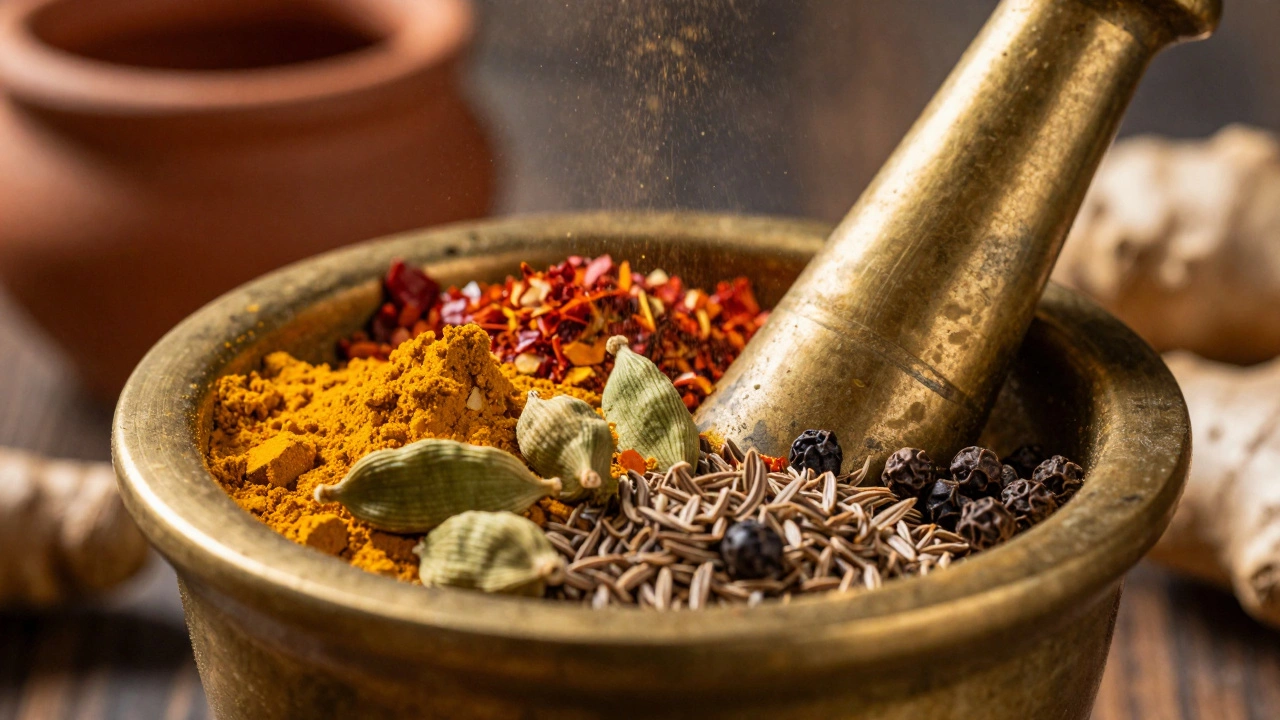
You cannot cook classic Indian dishes without the right spices. Many beginners buy pre-made curry powders, but these often lack the depth of freshly ground spices. Here are the essential tools for your kitchen.
- Garam Masala: A blend of warming spices like cinnamon, cardamom, cloves, and black pepper. It is added at the end of cooking to preserve its aroma.
- Cumin Seeds: Whole cumin seeds are tempered in hot oil at the start of cooking to release their nutty flavor.
- Turmeric: Adds vibrant yellow color and anti-inflammatory properties. Use sparingly as it can overpower other flavors.
- Kashmiri Chili Powder: Provides beautiful red color with minimal heat. Perfect for Butter Chicken and Tikka Masala.
- Coriander Powder: The backbone of most Indian curries. It has a citrusy, earthy flavor that binds other spices together.
Store your spices in airtight containers away from light and heat. Once opened, whole spices last up to six months, while ground spices lose potency after three months. Buy small quantities frequently to ensure freshness.
Veggie Classics: Beyond Lentils and Chickpeas
India is home to the world’s largest population of vegetarians, so its vegetable dishes are sophisticated, not just side dishes. Two standouts deserve special mention.
Palak Paneer features cubes of soft paneer cheese swimming in a smooth spinach purée. The spinach is blanched, blended, and then cooked with aromatics like ginger, garlic, and green chilies. It is nutritious, vibrant, and delicious. Make sure to squeeze excess water from the spinach purée to avoid a watery curry.
Aloo Gobi is a dry stir-fry of potatoes and cauliflower. It is simple, rustic, and incredibly satisfying. The key is to cook the potatoes and cauliflower separately to maintain their texture, then combine them with turmeric, cumin, and coriander. It is a great way to use up leftover veggies and requires minimal cleanup.
Common Mistakes to Avoid When Cooking Indian Food
Even experienced cooks make mistakes when tackling Indian cuisine. Here are three pitfalls to watch out for.
- Overpowering the Main Ingredient: Indian food is about balance. Let the chicken, fish, or vegetables shine. Don’t drown them in spice blends. Taste as you go.
- Skipping the Tempering: Blooming spices in hot oil or ghee (called "tadka") unlocks their essential oils. Adding dry spices directly to a cold liquid results in flat, dusty flavors.
- Using Old Spices: Stale spices taste bitter and dull. If your turmeric looks gray instead of bright yellow, toss it. Fresh spices make all the difference.
Next Steps: Where to Go From Here
Now that you know what defines a classic Indian dish, it’s time to start cooking. Start with something simple like Chana Masala or Dal Makhani. Master the basics of tempering spices and balancing flavors. As you gain confidence, try your hand at Biryani or homemade Naan bread.
Remember, Indian cooking is not about following rigid rules. It is about intuition, experimentation, and enjoying the process. Don’t be afraid to adjust salt, heat, and sweetness to suit your palate. The best Indian food is the kind you love eating.
What is the most famous Indian dish?
Butter Chicken is widely considered the most famous Indian dish globally due to its mild, creamy flavor profile that appeals to international palates. However, within India, dishes like Biryani and Dal Makhani hold equal cultural significance.
Is Indian food generally spicy?
Not necessarily. While some dishes like Vindaloo are very hot, many classic Indian dishes such as Butter Chicken, Palak Paneer, and Dal Makhani are mild. You can control the heat level by adjusting the amount of chili powder or green chilies used.
What is the easiest Indian dish to cook for beginners?
Chana Masala (chickpea curry) is an excellent starter recipe. It uses pantry staples like canned chickpeas, onions, tomatoes, and common spices. It is forgiving, healthy, and delicious even if you mess up the spice ratios slightly.
What is the difference between North and South Indian food?
North Indian food typically uses wheat-based breads, dairy products like cream and paneer, and warmer spices like garam masala. South Indian food relies on rice, coconut, tamarind, and mustard seeds, resulting in lighter, tangier, and more aromatic dishes.
Can I make Indian food without a mortar and pestle?
Yes. While a mortar and pestle helps release essential oils from spices, a blender or food processor works well for making pastes and curries. For whole spices, you can toast them in a pan and crush them lightly with a rolling pin before grinding.