12 Dec 2025
- 0 Comments
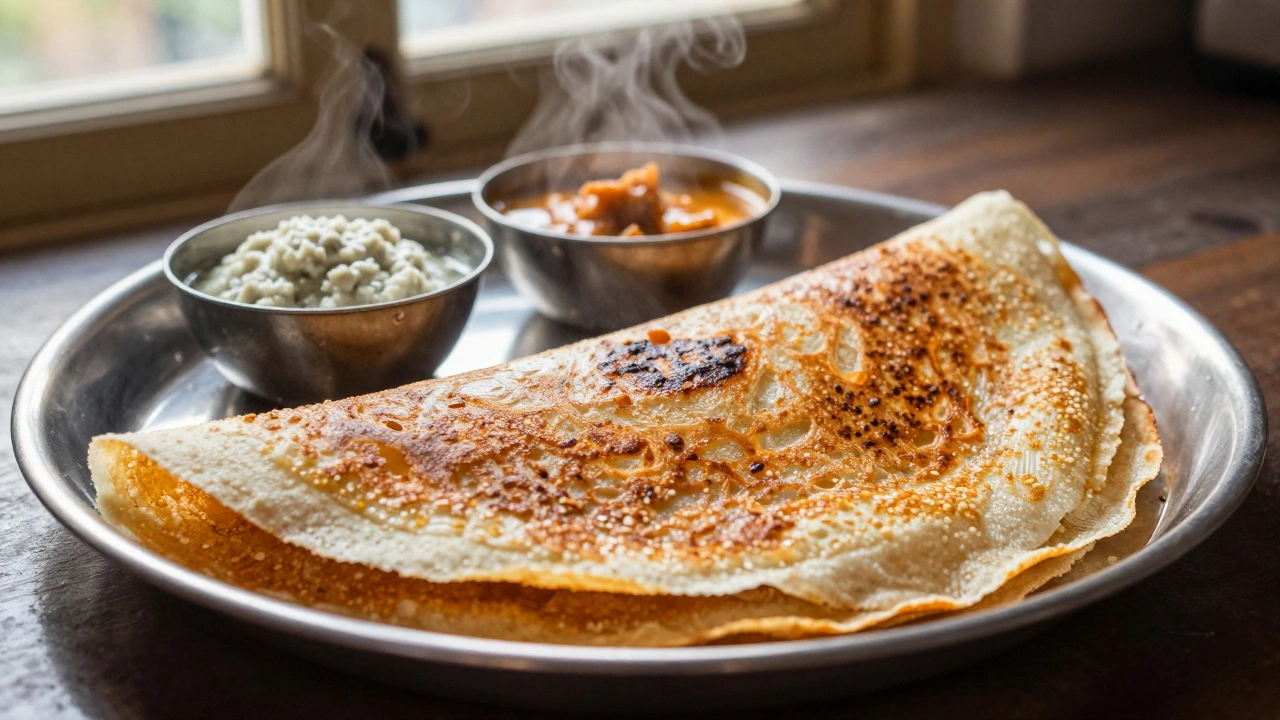
Ever finished a crispy, golden dosa with coconut chutney and sambar, only to feel your eyes get heavy 20 minutes later? You’re not alone. It’s not laziness. It’s not because you ate too much. It’s biology-combined with what’s in that batter.
The Science Behind Post-Dosa Sleepiness
Dosa batter isn’t just rice and urad dal. It’s a fermented mix that turns simple grains into something your body treats like a slow-release energy bomb. When you eat it, your digestive system goes into overdrive. Fermentation breaks down starches into simpler sugars, which get absorbed quickly. That spikes your blood sugar. Then, insulin rushes in to bring it back down. That drop? It triggers tiredness.
This isn’t unique to dosa. It’s the same reason you feel sluggish after a big bowl of pasta or a plate of white rice. But dosa has an extra layer: the fermentation process produces small amounts of lactic acid and trace ethanol. Not enough to get you drunk-just enough to subtly affect your nervous system. A 2021 study from the Indian Institute of Food Processing Technology found that fermented rice-based foods like dosa and idli caused measurable drops in alertness within 30 to 45 minutes of consumption in test subjects.
What’s in the Batter That Makes You Sleepy?
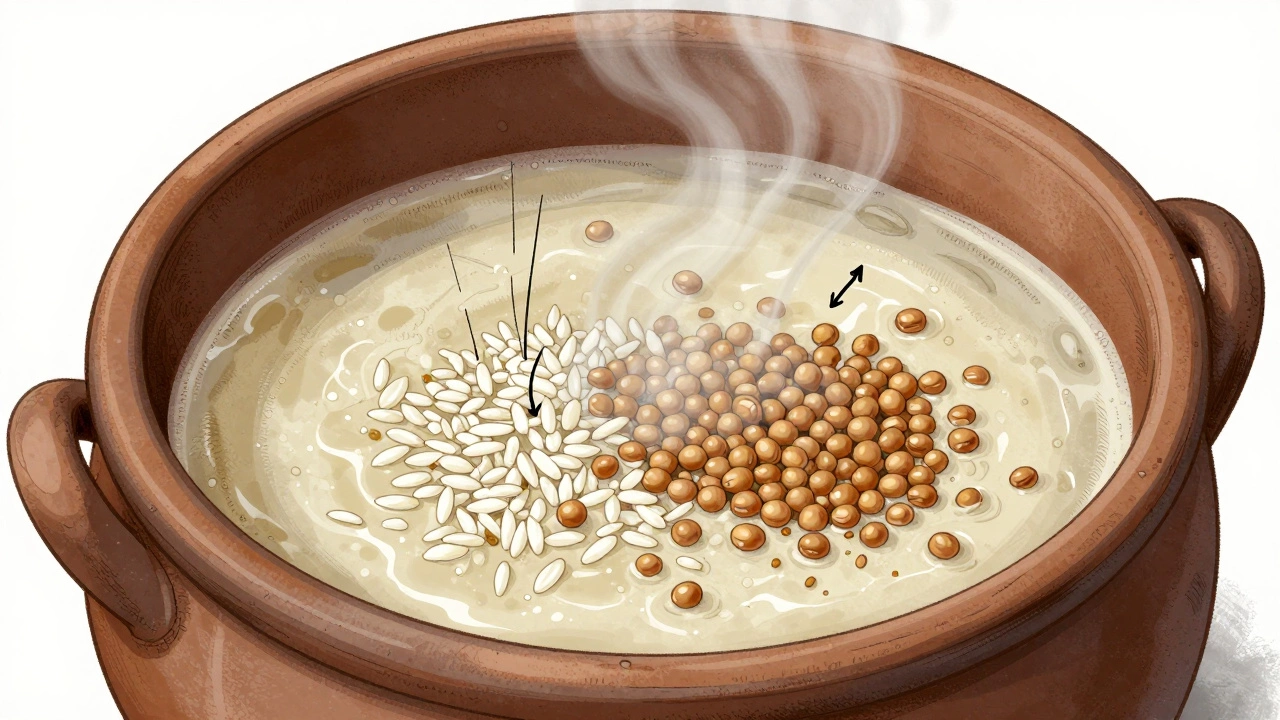
Traditional dosa batter uses a 3:1 or 4:1 ratio of rice to urad dal. Rice is mostly starch. Urad dal adds protein and a bit of fat, but the real magic happens during fermentation.
- Rice: High-glycemic index. Turns into glucose fast.
- Urad dal: Rich in tryptophan-an amino acid your body turns into serotonin, then melatonin, the sleep hormone.
- Fermentation: Lactic acid bacteria break down complex carbs and proteins. This increases bioavailability of tryptophan and creates mild byproducts that calm the nervous system.
- Salt and water: Not directly sleepy, but they help the fermentation process that makes everything else work.
When you eat dosa, you’re getting a combo of fast carbs + amino acids that convert to sleep-inducing chemicals. Add warm chutney and hot sambar? Your body’s already working hard to digest all that spice and moisture. It’s a perfect storm for drowsiness.
Why Doesn’t This Happen With All Indian Breakfasts?
Not every Indian breakfast makes you crash. Why dosa and not upma? Or poha? Or idli?
Upma and poha are made from semolina or flattened rice-both cooked quickly, not fermented. They don’t have the same tryptophan boost. Idli, which uses the same batter as dosa, also causes sleepiness-but often less so because it’s steamed, softer, and eaten in smaller portions. Dosa? It’s crispy, often eaten with extra chutney and sambar, and you tend to eat more of it. More food + more fermentation = more sleepiness.
Also, dosa is usually eaten in the morning. Your body is already waking up. Eating a heavy, fermented meal right after waking up puts extra pressure on your digestive system. Your brain gets the signal: “We’re digesting. Rest now.”
How to Enjoy Dosa Without the Crash
You don’t have to give up dosa. You just need to tweak how you eat it.
- Use less rice, more urad dal. Try a 2:1 ratio. More protein means slower sugar release.
- Soak the batter longer. Ferment for 12-14 hours instead of 8. Longer fermentation breaks down more starches, reducing the sugar spike.
- Add fenugreek seeds. A teaspoon in the batter helps regulate blood sugar. It’s traditional anyway.
- Pair with protein. Add a boiled egg or a side of yogurt. Protein slows down sugar absorption.
- Eat smaller portions. One dosa with light chutney is better than three with thick sambar.
- Wait 15 minutes before eating. Let the dosa cool slightly. Hot food speeds up digestion and sugar absorption.
These tweaks won’t ruin the taste. They’ll just make you feel alert instead of nodding off by 10 a.m.
Is This Normal? Should You Be Worried?
Yes, it’s normal. If you feel sleepy after dosa but bounce back within an hour, there’s nothing wrong. It’s a natural response to a complex, fermented, carb-heavy meal.
But if you feel exhausted for hours, get headaches, or have brain fog every time you eat it, it might be a sign of insulin resistance or a food sensitivity. Try skipping dosa for a week. If your energy improves, it’s your body telling you it’s not handling the combo well.
People with prediabetes or metabolic syndrome often report this reaction more strongly. If you’re in that group, consider switching to ragi dosa or multigrain batter. Ragi (finger millet) has a much lower glycemic index and is rich in fiber.
Why This Happens More in India Than Elsewhere
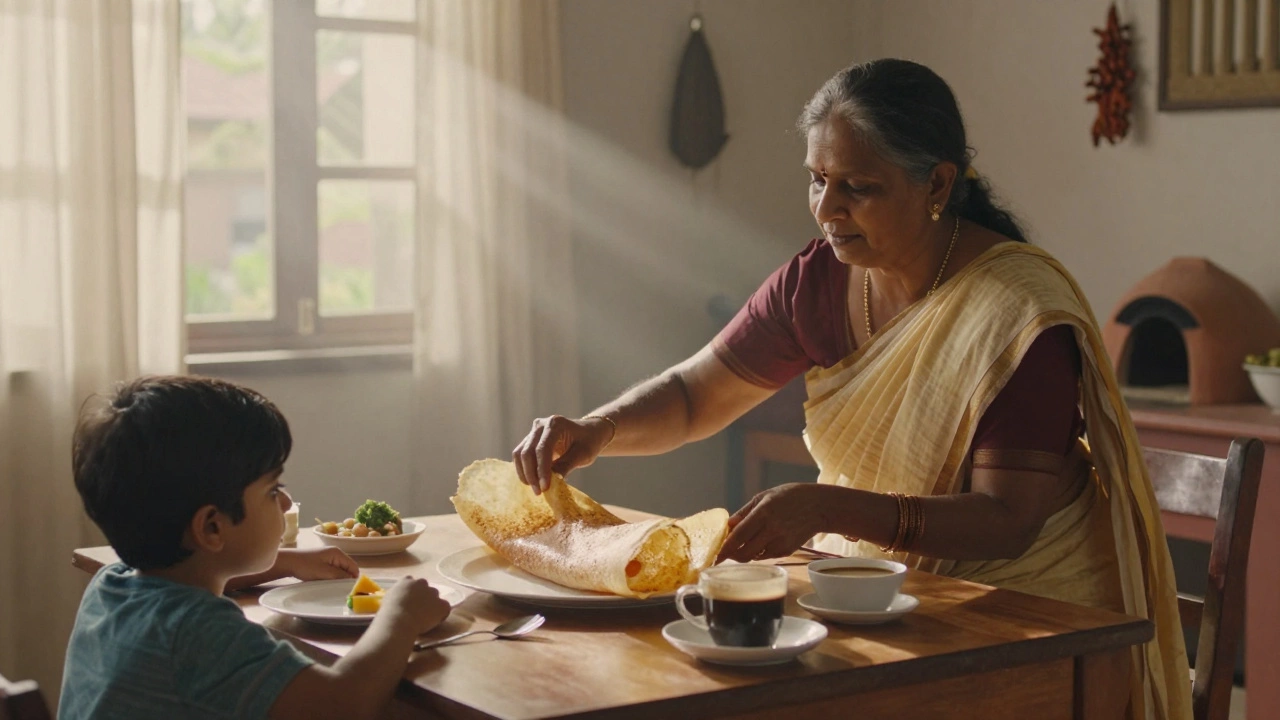
In India, dosa is eaten daily, often as the first meal. In other countries, it’s a weekend treat. Daily exposure means your body gets used to the pattern-and responds predictably.
Also, Indian dosa batter is traditionally fermented at warm room temperatures (28-32°C). That’s ideal for lactic acid bacteria. In colder climates like Sydney, where the air is often below 20°C, fermentation is slower and less complete. That means less tryptophan release and fewer fermentation byproducts. So if you’re eating dosa here and not feeling sleepy, it might be because the batter didn’t ferment fully.
That’s why many Indian households abroad use ovens or yogurt makers to keep the batter warm. It’s not just tradition-it’s science.
What About Other Fermented Foods?
Dosa isn’t the only fermented food that makes you sleepy. Kimchi, miso soup, sourdough bread, and even kombucha can have similar effects. The common thread? Fermentation increases bioavailable tryptophan and produces mild sedative byproducts.
But dosa stands out because it’s eaten in large quantities, on an empty stomach, and often with high-sugar accompaniments like sweet chutney. That’s the real trigger.
If you’ve ever felt calm and drowsy after eating miso soup, it’s the same mechanism. But dosa? It’s the breakfast version of a full-body sigh.
Final Thought: It’s Not a Flaw. It’s a Feature.
For centuries, people in South India ate dosa and idli as morning meals-not because they were trendy, but because they worked. The drowsiness? It was a built-in pause button. A signal to slow down after eating. In a culture that values mindful eating and rest after meals, this wasn’t a problem. It was a feature.
Today, we fight that sleepiness with coffee. But maybe we should listen to our bodies instead. If dosa makes you sleepy, it’s not because you’re weak. It’s because your body is doing exactly what it’s supposed to do: digest, absorb, and reset.
Why does dosa make me sleepy even if I don’t eat much?
Even a small dosa contains fermented rice and urad dal, which release tryptophan and simple sugars quickly. Your body converts tryptophan into melatonin, the sleep hormone. You don’t need to eat a lot for this process to start-it’s about the ingredients, not the quantity.
Can I eat dosa for breakfast without feeling tired?
Yes. Use a batter with more urad dal than rice, ferment it for 12+ hours, add fenugreek seeds, and pair it with a boiled egg or yogurt. Avoid sweet chutney. Eat slowly and let the dosa cool slightly before eating.
Is the sleepiness caused by the oil used to cook dosa?
No. The oil helps crisp the dosa but doesn’t cause drowsiness. The main culprits are the fermented batter’s sugars and tryptophan. Even air-fried or baked dosa will make you sleepy if the batter is traditional.
Does idli make you sleepy too?
Yes, but usually less than dosa. Idli is steamed, softer, and often eaten in smaller portions. The batter is the same, but the way it’s cooked and consumed reduces the blood sugar spike and digestive load.
Should I avoid dosa if I have diabetes?
Traditional dosa can spike blood sugar quickly. If you have diabetes, opt for ragi, oats, or multigrain dosa batter. These have higher fiber and lower glycemic impact. Always pair with protein and avoid sweet chutney.