12 May 2026
- 0 Comments
Forgotten Dessert Heritage Guide
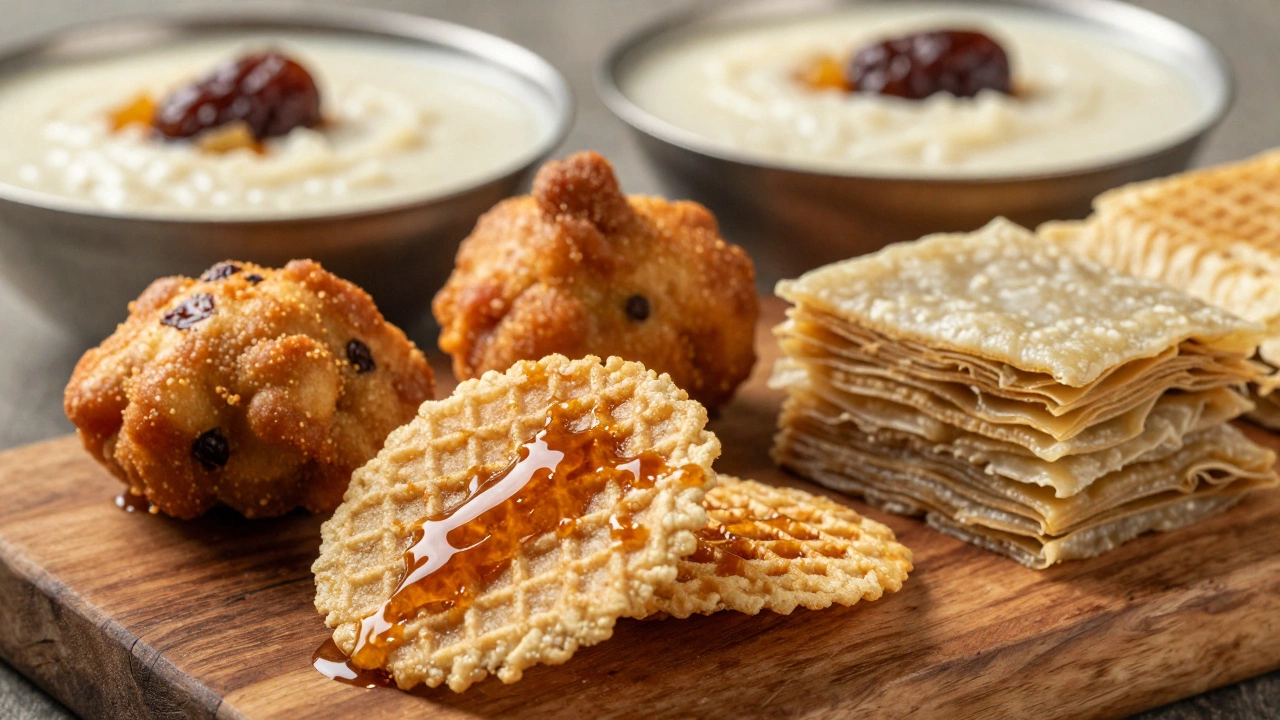
Anarsa
Crisp rice flour wafer dipped in jaggery syrup.
Adhirasam
Chewy, crispy fritter made from fermented rice flour.
Khaja
Layered, crispy pastry soaked in sugar syrup.
Nolen Gurer Payesh
Rice pudding with smoky winter date palm jaggery.
Select a sweet on the left to view details.
Walk into any modern Indian sweet shop, and you will see the same lineup. There is Gulab Jamun, Rasgulla, Jalebi, and maybe a Kaju Katli. These treats are delicious, but they are also everywhere. They have become the standard because they travel well and appeal to mass tastes. But what about the sweets that disappeared from our plates? What about the desserts that were once served in royal kitchens or village homes across India but are now nearly extinct?
India’s culinary history is deep and diverse. Each region has its own ingredients, climate, and traditions. For centuries, families made sweets using local grains, seasonal fruits, and unique spices. Many of these recipes relied on slow cooking methods and specific techniques that don’t fit into today’s fast-paced world. As urbanization grew, convenience took over. The complex, labor-intensive sweets were replaced by simpler options. Now, many of these forgotten desserts are known only to grandmothers or historians.
This isn’t just about nostalgia. It is about preserving cultural heritage. When we lose a recipe, we lose a piece of our identity. We lose knowledge about how people lived, celebrated, and connected with their land. In this article, we will explore some of the most beautiful, flavorful, and forgotten desserts from different parts of India. We will look at why they vanished and how you can bring them back to your kitchen.
The Rise of Standardized Sweets
To understand why certain desserts faded away, we need to look at how the Indian sweet industry changed. In the past, sweets were hyper-local. A sweet popular in Kerala might not even be known in Punjab. People ate what was available nearby. Milk, sugar, nuts, and fruits varied by region. This created a huge variety of textures and flavors.
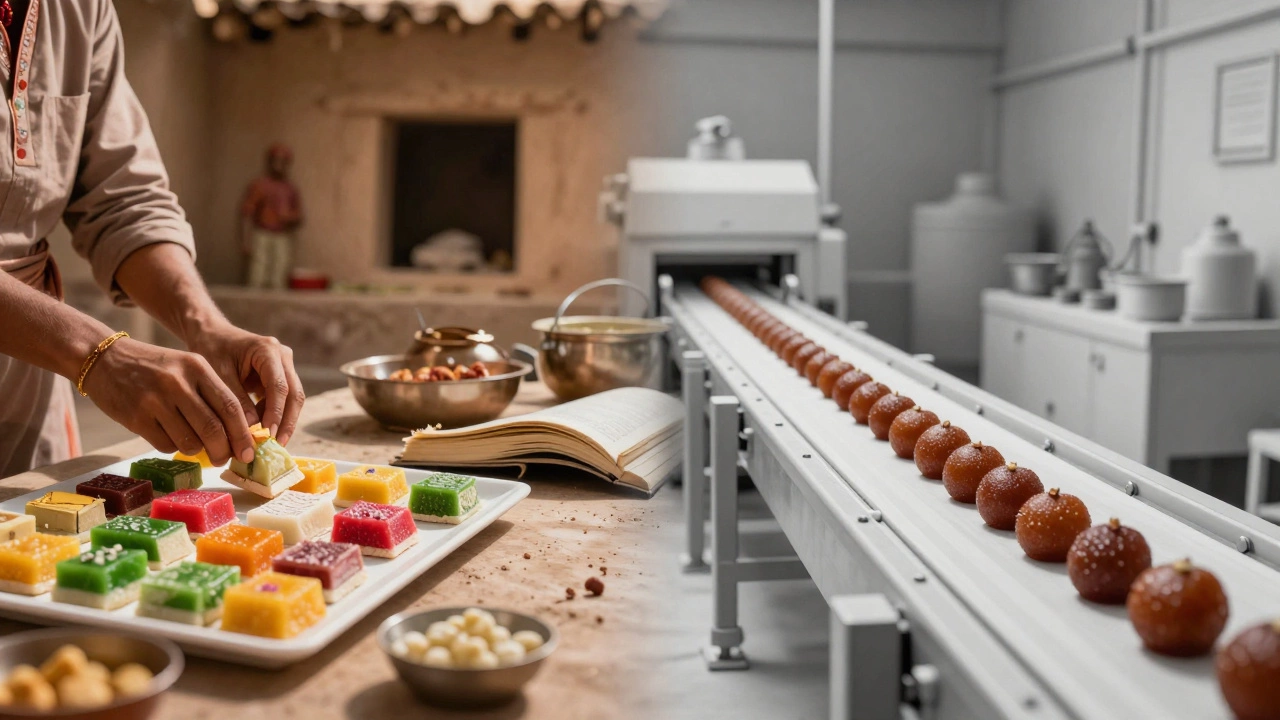
Then came industrialization. Large-scale production required sweets that could be made quickly, stored for long periods, and transported without breaking. Gulab Jamun became a favorite because it is dense and holds up well. Barfi blocks are easy to stack and ship. Delicate, airy, or perishable sweets struggled to survive in this new system. Many regional specialties couldn’t compete with the efficiency of standardized products. Over time, the menu in sweet shops shrank. What remained was a small set of national favorites. The rest fell into obscurity.
North India: The Royal Forgotten Treats
North India has a rich tradition of dairy-based sweets. While Laddu and Peda remain popular, several intricate desserts have been lost. One such treat is Khoya Burfi made with Mawa (reduced milk solids) and flavored with saffron and cardamom. Wait, that is still common. Let’s go deeper. Consider Sheer Khurma. It is known during Eid, but its daily version, a simple vermicelli pudding with nuts and rose water, is rarely seen outside festive tables.
A truly forgotten gem is Imarti’s cousin, Jalebi’s less famous sibling: Chena Jilapi (though Bengali, it was popular in North too). But let’s look at Gajar ka Halwa. It is still made, but the old method of simmering carrots in full-fat milk for hours until the milk evaporates is gone. Most people now use condensed milk or instant mixes. The texture and depth of flavor are completely different. The slow-cooked version had a caramelized richness that modern shortcuts cannot replicate.
Another lost treasure is Kheer made with broken wheat (Dalia) instead of rice. Doodh Pak was a staple in rural households. It used coarse wheat semolina cooked in milk with ghee and jaggery. It was nutritious, hearty, and sweet. Today, refined rice or vermicelli dominate puddings. The wholesome grain-based sweets have disappeared from mainstream consciousness.
West India: Marathi and Gujarati Hidden Gems
Western India offers a fascinating array of sweets that rely on sesame, coconut, and jaggery. Anarsa is still made during Diwali in Maharashtra, but it is often skipped in favor of easier snacks. Anarsa is a crisp, wafer-like sweet made from rice flour and jaggery syrup. It requires precise timing to fry. If the batter is too thick, it becomes hard. Too thin, and it breaks. The skill involved has led many families to stop making it.
In Gujarat, Shrikhand is well-known, but Thepla’s sweet counterpart, Methi Thepla with a side of sweet curd, is a meal, not a dessert. Let’s talk about Handvo. It is a savory cake, but there is a sweet version called Sweet Handvo made with grated coconut, jaggery, and poppy seeds. It is moist, dense, and incredibly flavorful. Few people know it exists. Another forgotten item is Surti Locho, which is savory, but the sweet Fafda variant with sugar syrup is almost unheard of.
Consider Karanji or Ghughra. These are pastry shells filled with coconut and jaggery. They are still made, but the effort to shape each one individually has led to their decline. Mass-produced versions lack the delicate flaky crust. The homemade version, fried in clarified butter (Ghee), has a distinct aroma and taste that is missing from store-bought options.
South India: Rice, Coconut, and Jaggery Classics
Southern India’s sweet tradition is built on rice, coconut, and palm jaggery. Payasam (or Paayasam) is ubiquitous, but the varieties are shrinking. The classic Paruppu Payasam (lentil pudding) is still made, but Vellaya Payasam (milk and vermicelli) is often simplified. The true art lies in reducing the milk slowly to achieve a creamy consistency without curdling. Many home cooks now skip this step.
A forgotten delight is Mysore Pak’s lesser-known relative: Kesari Bath made with Rava (semolina) and ghee. It is still popular, but the original version from Mysore used a specific ratio of ghee to rava that created a melt-in-the-mouth texture. Modern versions often reduce ghee for health reasons, losing the signature richness. Another lost sweet is Adhirasam. Made from rice flour and jaggery, it is chewy and crispy. It requires skilled hands to shape and fry. Many young people find it too difficult to make, so the recipe is fading.
Kerala has Appam with stew, but Unniyal (banana fritters) are becoming rare. They are made with fermented rice batter and ripe bananas. The fermentation gives a slight tang that balances the sweetness. Store-bought versions use baking powder, which changes the flavor profile. Similarly, Palada Payasam uses flattened rice flakes. It is still made, but the careful roasting of the flakes in ghee before adding milk is often rushed, affecting the final taste.
East India: Bengali and Odia Delicacies
Bengal is famous for Mishti Doi (sweet yogurt) and Rosogolla. But beyond these, there are treasures like Nolen Gur (winter date palm jaggery) based sweets. Nolen Gurer Payesh is a rice pudding made with this specific jaggery. The jaggery has a smoky, fruity flavor that cannot be replicated with regular jaggery. As winter date palms become harder to access, this sweet is disappearing from non-Bengali regions.
Odia cuisine has Chenna Poda, a baked cheese cake. It is gaining some popularity, but it is still considered exotic outside Odisha. The process involves churning curdled milk, shaping it into a log, and baking it until caramelized. It requires patience and a good oven. Another forgotten sweet is Khaja. It is a layered, crispy pastry soaked in sugar syrup. Making perfect layers takes immense skill. Many artisans have moved to other professions, leading to a shortage of authentic Khaja.
Why These Recipes Matter
These forgotten desserts are not just food. They are stories. Each recipe reflects the geography, climate, and culture of its origin. Adhirasam tells us about the abundance of rice and jaggery in Tamil Nadu. Anarsa shows the ingenuity of Marathi cooks using rice flour and jaggery. Nolen Gurer Payesh highlights the seasonal rhythms of Bengal. When we lose these recipes, we lose this context.
Moreover, these sweets often use healthier ingredients. Many rely on jaggery instead of refined sugar. They use whole grains like wheat or barley. They include nuts and seeds for nutrition. Reviving these recipes can lead to a healthier approach to indulgence. Instead of eating mass-produced sweets loaded with preservatives, we can enjoy fresh, natural treats made with care.
How to Bring Them Back
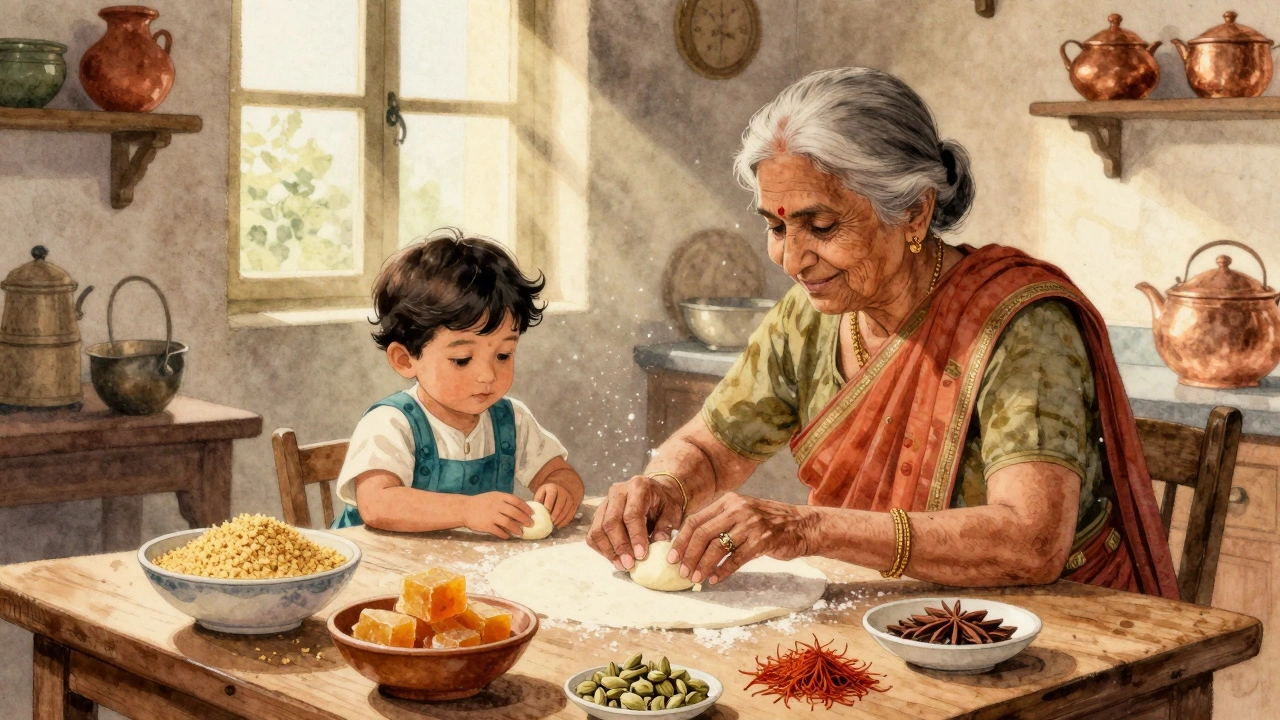
You don’t need to be a professional chef to revive these forgotten desserts. Start by asking your elders. Grandparents and great-aunts often hold these recipes in their memory. Write them down. Record their instructions. Note the tips they give, like how to tell when the jaggery syrup is ready or how to shape the dough perfectly.
Experiment in your kitchen. Don’t be afraid to fail. Traditional cooking involves trial and error. Buy the right ingredients. Use real ghee, pure jaggery, and fresh spices. Take your time. Slow cooking makes a difference. Share your creations with friends and family. Teach others how to make them. By keeping these recipes alive in our homes, we preserve a part of our heritage.
Look for online resources and books dedicated to regional Indian cuisine. Many authors and food historians are documenting these lost recipes. Follow chefs who specialize in traditional Indian sweets. Attend cooking workshops that focus on heritage foods. Every effort counts. Together, we can ensure that these forgotten desserts do not disappear forever.
What are some examples of forgotten Indian desserts?
Examples include Anarsa from Maharashtra, Adhirasam from Tamil Nadu, Khaja from Odisha, and Nolen Gurer Payesh from Bengal. These sweets are less common today due to their complexity and the rise of standardized sweets.
Why did these desserts become forgotten?
Industrialization favored sweets that were easy to mass-produce, transport, and store. Complex, labor-intensive recipes that required specific skills or perishable ingredients were replaced by simpler, more durable options like Gulab Jamun and Barfi.
Are forgotten Indian desserts healthier than modern ones?
Often, yes. Many traditional sweets use jaggery, whole grains, nuts, and natural fats like ghee. They are made in small batches without preservatives or artificial colors, offering a more nutritious alternative to mass-produced sweets.
How can I learn to make these traditional sweets?
Start by talking to older family members. Look for regional cookbooks and online tutorials focused on heritage recipes. Practice the techniques patiently, as many require specific skills like controlling syrup consistency or shaping dough.
Where can I buy authentic ingredients for these recipes?
Visit local ethnic grocery stores or specialized online retailers. Look for pure jaggery, organic ghee, and high-quality spices. Some ingredients, like Nolen Gur, may need to be sourced from specific regions or during particular seasons.