8 May 2026
- 0 Comments
Have you ever eaten a plate of fluffy Poori only to feel hungry again an hour later? It’s frustrating. You eat to satisfy your hunger, but instead, you’re just filling space in your stomach with empty calories that vanish quickly. If you are looking for satiating Indian snacks that actually keep you going until dinner without the mid-afternoon crash, you need to look beyond taste and focus on biology.
The secret to staying full isn't about eating less; it's about eating smarter. Specifically, it comes down to three things: protein, fiber, and volume. When you combine these elements, you slow down digestion, stabilize blood sugar, and signal your brain that you’ve had enough. In this guide, we will break down exactly which traditional Indian foods hit these marks and how to prepare them so they work in your favor.
The Science Behind Staying Full
Before we dive into recipes, let’s understand why some foods make us full while others don’t. It all comes back to the Satiety Index, a measure developed by researchers at the University of Sydney to rank foods based on how full they make people feel over two hours. Foods like boiled potatoes and beans score high because they digest slowly. Foods like white bread or sugary biscuits score low because they spike insulin and then leave you craving more.
In the context of Indian cuisine, this means shifting away from refined flour (Maida, refined wheat flour commonly used in Indian baking and frying) and fried fats toward whole grains, legumes, and lean proteins. Maida breaks down rapidly in the gut, causing a quick energy spike followed by a sharp drop. This drop triggers hunger hormones like ghrelin, making you reach for another snack before you even realize it.
To fight this, you need foods that create a physical barrier in your stomach and take time to break down. Fiber does this by absorbing water and expanding. Protein does this by requiring more energy to digest (the thermic effect of food) and by stimulating the release of peptide YY, a hormone that suppresses appetite. Fat also helps, but only when paired with fiber or protein; otherwise, it’s just dense calories that don’t necessarily signal fullness.
Top High-Fiber Indian Snacks for Lasting Fullness
Fiber is the unsung hero of satiety. It adds bulk to your meal without adding many calories. Here are some of the best high-fiber options rooted in Indian tradition that will keep you satisfied for hours.
- Makhana (Fox Nuts): These puffed seeds are incredibly light yet surprisingly filling. A cup of roasted makhana contains about 3-4 grams of fiber. Because they are low in calories, you can eat a larger volume, which physically stretches the stomach walls, sending "full" signals to your brain. Roast them with a little turmeric and black salt for a savory kick.
- Moong Dal Chilla: Made from split green gram (Moong Dal, split yellow mung beans known for being easy to digest and high in protein), these pancakes are a powerhouse. One chilla can provide up to 5 grams of fiber. The combination of complex carbs and soluble fiber slows gastric emptying significantly.
- Baked Chaat Papad: Traditional papads are often deep-fried, which adds fat but not much satiety value relative to the calorie count. Baking them preserves the crispiness while keeping the fiber content intact. Sprinkle with chaat masala, onions, and tomatoes for a crunchy, high-volume snack that feels substantial.
A pro tip here is to pair these fiber-rich bases with a wet component. Dry snacks can sometimes pass through too quickly if you aren't drinking enough water. Adding a side of yogurt or a cucumber raita ensures the fiber has moisture to expand properly in your digestive tract.
Protein-Packed Options That Suppress Hunger Hormones
If fiber is the anchor, protein is the sail that drives long-term satisfaction. Studies show that meals higher in protein reduce levels of ghrelin (the hunger hormone) more effectively than carbs or fats alone. For Indian snacking, this means moving away from sweet treats and embracing savory, protein-dense bites.
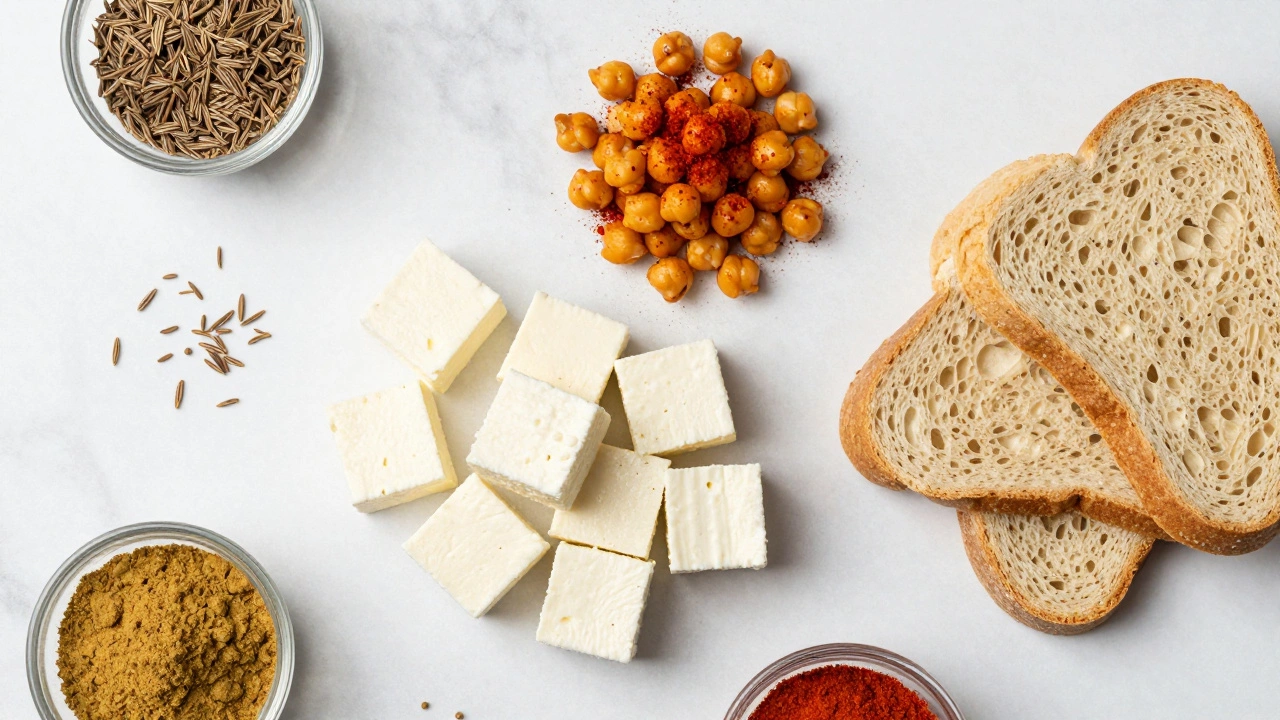
- Paneer Bhurji with Whole Wheat Toast: Scrambled cottage cheese (Paneer, fresh Indian cottage cheese made from curdled milk) is loaded with casein protein, which digests slowly. Eating 100 grams of paneer provides roughly 18 grams of protein. Serve it on a slice of multigrain toast rather than white bread to add fiber.
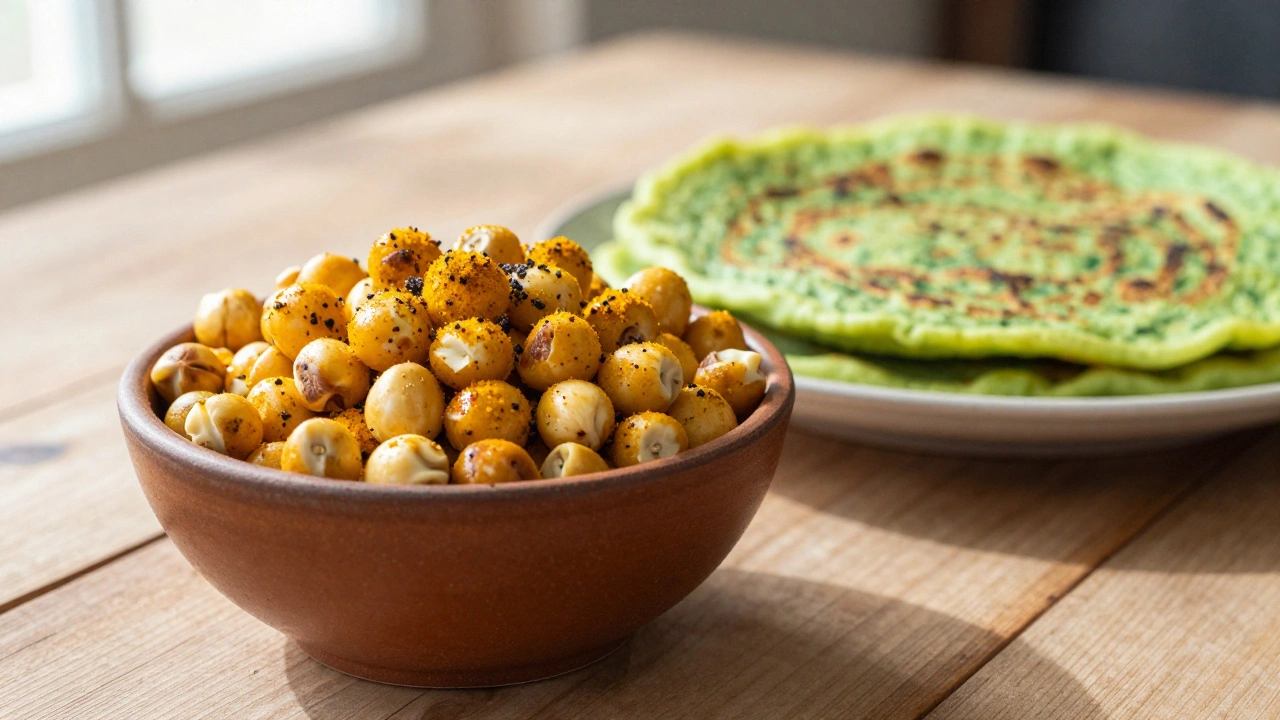
- Roasted Chana (Chickpeas): Don’t underestimate the humble chickpea. They are dual-threat warriors, offering both protein and fiber. A small bowl of roasted chana seasoned with cumin and red chili powder offers about 7 grams of protein and 6 grams of fiber. The chewing effort required also contributes to feeling fuller.
- Edamame or Soy Chaat: If you want to get creative, try a soy-based chaat. Textured vegetable protein (TVP) or boiled edamame beans mixed with chopped carrots, beans, and a lemon-tamarind dressing is incredibly satiating. Soy protein is complete, meaning it has all nine essential amino acids your body needs.
When preparing these snacks, avoid drowning them in oil. Oil is calorie-dense but doesn't trigger the same satiety pathways as protein. Use spices like garam masala, coriander powder, and amchur (dry mango powder) to enhance flavor without adding empty calories.
The Power of Healthy Fats and Volume Eating
Fat might seem counterintuitive if you're watching weight, but it plays a crucial role in satiety. However, the key is pairing it with other nutrients. Pure fat doesn't stop hunger as well as a balanced mix. This is where the concept of "volume eating" comes in-eating large portions of low-calorie-density foods.
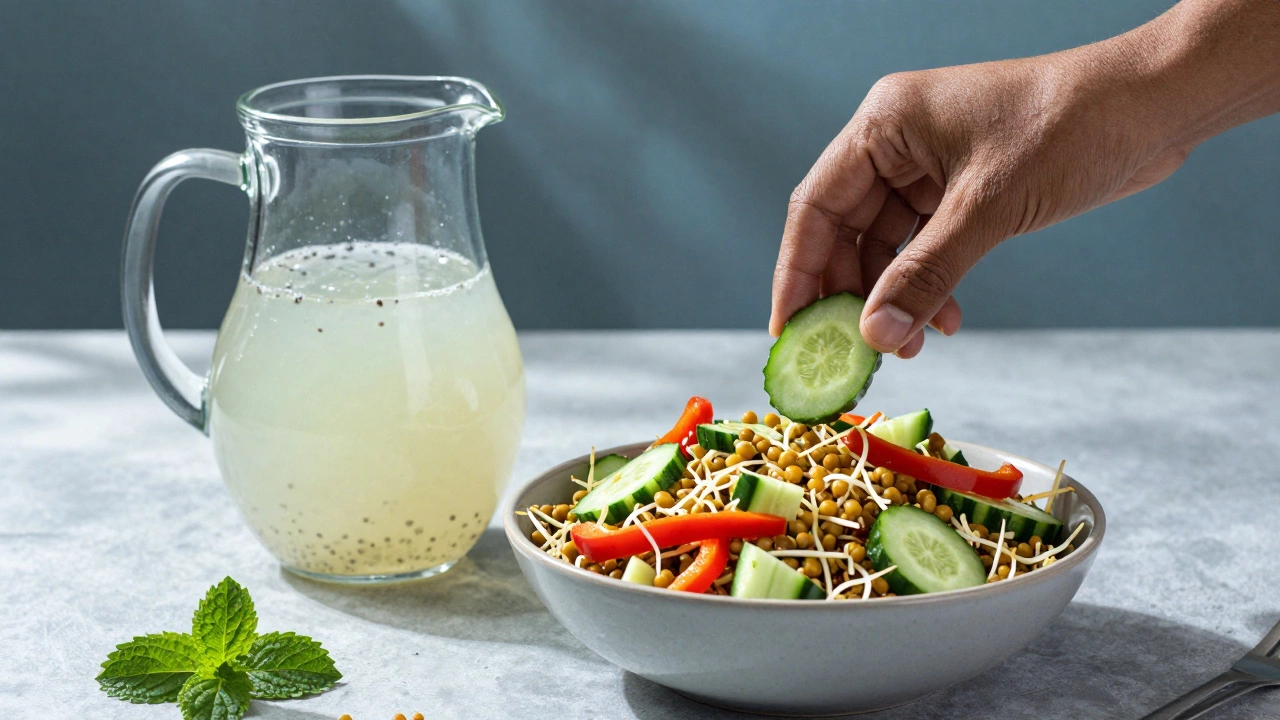
Consider Sprouted Moong Salad, a salad made from germinated mung beans, known for increased nutrient bioavailability. By sprouting the moong dal, you increase its nutritional profile and make it lighter on the stomach. Mix this with diced cucumbers, bell peppers, and a dressing made from olive oil and lime juice. The volume of vegetables allows you to eat a big bowl, while the olive oil provides healthy monounsaturated fats that help absorb fat-soluble vitamins and prolong digestion.
Another excellent option is Stuffed Dates with Almonds, dates filled with almond paste or butter, providing a balance of natural sugars and healthy fats. While dates are high in sugar, stuffing them with almonds adds protein and fat. This combination prevents the rapid sugar spike you’d get from eating the date alone. Limit yourself to one or two, and you’ll find the sweetness satisfies your cravings without leading to a crash.
Comparison: Common Snacks vs. Satiating Alternatives
| Common Snack | Satiating Alternative | Key Benefit | Approx. Protein (per serving) | Approx. Fiber (per serving) |
|---|---|---|---|---|
| Namkeen (Fried Mix) | Roasted Makhana | Lower calorie density, high volume | 2g | 3g |
| Biscuits & Tea | Green Tea & Handful of Walnuts | Stable blood sugar, healthy fats | 4g | 1g |
| Samosa | Baked Samosa (Whole Wheat) | Reduced fat, added fiber | 5g | 4g |
| Cold Coffee | Protein Shake with Oats | High protein, sustained energy | 20g | 4g |
| Pakora | Veggie Sticks with Hummus | High fiber, plant-based protein | 3g | 5g |
As you can see, swapping out fried, refined-flour items for baked, whole-grain, or legume-based options drastically changes the nutritional landscape. The goal isn't deprivation; it's substitution. You still get the crunch, the spice, and the comfort, but your body responds differently.
Hydration: The Hidden Factor in Fullness
Often, what we interpret as hunger is actually thirst. Dehydration can mask itself as a desire for salty or sweet snacks. Before reaching for that second handful of nuts, drink a glass of water. Wait ten minutes. If the hunger persists, then eat.
Incorporate hydrating foods into your snacking routine. Watermelon, cucumber, and oranges have high water content. A bowl of Khus Khas Sherbet, a cooling drink made from basil seeds, popular in India during summer isn't just refreshing; the basil seeds swell up in water, creating a gel-like substance that aids digestion and promotes a feeling of fullness. Similarly, drinking buttermilk (Chaas, spiced diluted yogurt drink, a staple probiotic beverage in India) after a heavy meal or as a standalone snack aids gut health and keeps you hydrated.
Practical Tips for Snacking Success
Knowing what to eat is half the battle; knowing how to eat it is the other. Here are some practical strategies to maximize satiety:
- Prep Ahead: Wash and cut veggies on Sunday. Store roasted chana in airtight containers. When healthy options are ready-to-eat, you’re less likely to grab processed junk.
- Eat Slowly: It takes about 20 minutes for your brain to register fullness. If you inhale your snack in five minutes, you might eat double what you need before the signal arrives. Chew thoroughly.
- Combine Macros: Never eat a carb alone. Pair an apple with peanut butter. Pair fruit with cheese. Pair crackers with hummus. This combination blunts the glucose spike and extends the feeling of fullness.
- Avoid Liquid Calories: Sugary juices and soders provide no satiety. Stick to water, herbal teas, or black coffee. If you crave something sweet, opt for a piece of fruit instead.
By focusing on whole foods, leveraging the power of protein and fiber, and paying attention to hydration, you can transform your snacking habits. You don’t have to suffer through hunger pangs to stay healthy. With the right Indian-inspired choices, you can enjoy delicious, satisfying snacks that fuel your body and keep you focused until your next meal.
Why do I feel hungry shortly after eating Indian snacks like namkeen?
Namkeen and similar fried snacks are typically high in refined flour (maida) and unhealthy fats but low in fiber and protein. This combination causes a rapid spike in blood sugar followed by a quick drop, triggering hunger hormones like ghrelin. Switching to snacks with whole grains and legumes stabilizes blood sugar and keeps you full longer.
Is makhana really good for weight loss?
Yes, makhana (fox nuts) are excellent for weight management. They are low in calories, gluten-free, and high in fiber. Their high water content and volume allow you to eat a satisfying portion without consuming excessive calories, helping to curb overeating.
Can I eat fruits as a snack to stay full?
Fruits are healthy, but eating them alone may not keep you full for long due to their natural sugar content. To maximize satiety, pair fruits with a source of protein or healthy fat, such as nuts, seeds, or Greek yogurt. This slows down sugar absorption and provides sustained energy.
What is the best time to eat a satiating snack?
The best time to snack is when you feel genuine hunger between meals, typically 3-4 hours after breakfast or lunch. Avoid snacking out of boredom or stress. Listening to your body’s cues helps prevent unnecessary calorie intake and maintains metabolic health.
How does hydration affect hunger?
Dehydration can be mistaken for hunger. Drinking water before a snack can help distinguish between true hunger and thirst. Additionally, water-rich foods like cucumbers and melons contribute to overall hydration and add volume to your diet, enhancing feelings of fullness.