Roti Not Soft? Fix Your Flatbread with These Proven Tips
When your roti, a traditional Indian flatbread made from whole wheat flour and water comes out hard, dry, or rubbery, it’s not your fault—it’s usually one of five simple mistakes. Roti should be soft, pliable, and slightly puff when cooked. If it’s not, you’re missing key steps in mixing, resting, rolling, or cooking. Many people think roti is just flour and water, but the real secret lies in the details: water temperature, dough resting time, rolling pressure, tawa heat, and even how you stack them after cooking. This isn’t about fancy tools or expensive ingredients. It’s about understanding how flour, moisture, and heat work together.
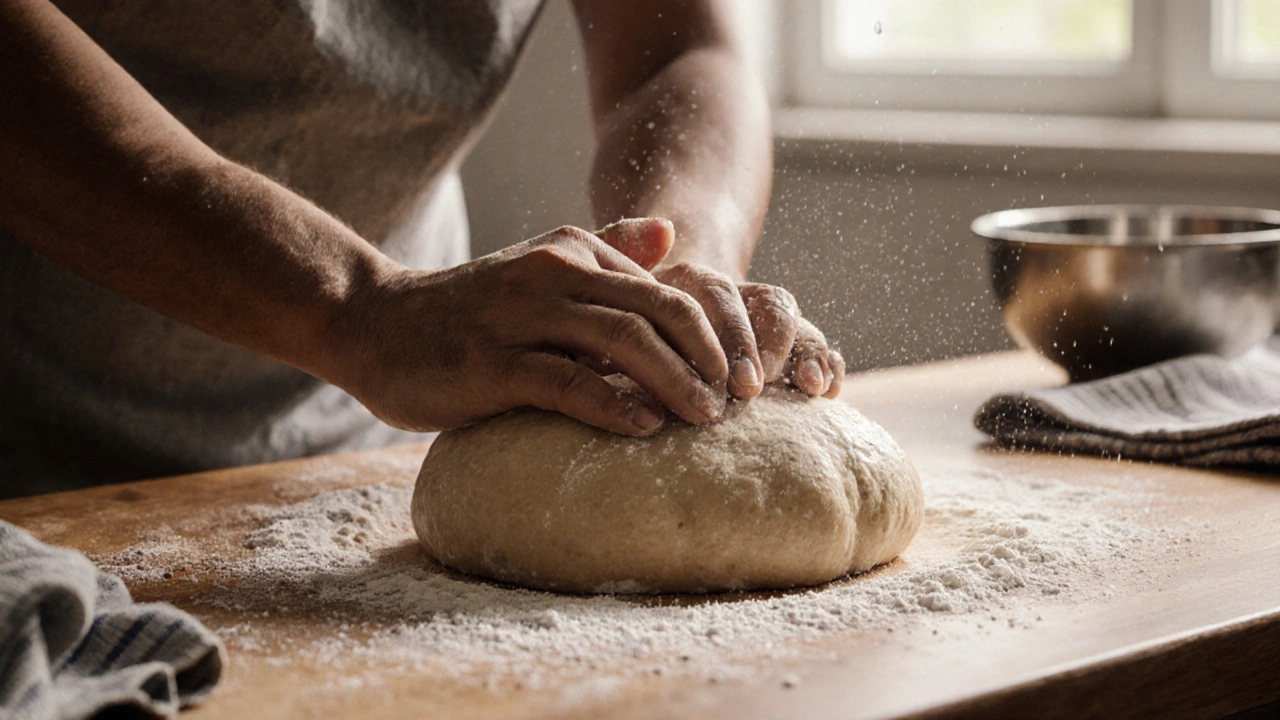
One major reason roti turns out stiff is skipping the dough resting, the process of letting kneaded flour and water sit to develop gluten and absorb moisture evenly. If you roll and cook right after mixing, the flour hasn’t had time to hydrate fully. That leaves pockets of dry flour that turn into tough spots. Resting for at least 20–30 minutes makes the dough more elastic and easier to roll thin without cracking. Another common error is using cold water. Lukewarm water helps activate the gluten gently, leading to a softer texture. Cold water? It tightens the flour fibers and locks in dryness.
Then there’s the tawa, the flat griddle used to cook roti in Indian kitchens. Too hot? The roti chars before it puffs. Too cool? It absorbs oil, turns greasy, and stays flat. You need medium heat—enough to create steam inside the dough so it balloons up naturally. Press gently with a cloth as it cooks to help it puff evenly. And don’t forget to cover the cooked roti with a clean towel. That traps steam and keeps them soft for hours. If you stack them uncovered, they dry out fast.
Flour matters too. Not all atta is the same. Some brands grind their wheat too fine or too coarse. Look for coarse-ground whole wheat flour labeled specifically for roti—it holds moisture better. Avoid adding oil or ghee to the dough unless you’re making paratha. For soft roti, stick to flour and water only. A pinch of salt is fine, but sugar or milk? They might make it sweeter, but they won’t help with softness.
You’ll find a dozen posts below that dig into every detail: how to fix soggy roti, why your roti cracks when rolling, the best way to store them overnight, and how to reheat without turning them into cardboard. We’ve tested these methods in homes across Tamil Nadu, Kerala, and Karnataka—not in test kitchens, but in real kitchens where roti is made every single day. No theory. Just what works.
Why Are My Rotis Not Soft? 7 Common Mistakes and How to Fix Them
Soft rotis aren't magic-they're the result of the right dough, proper resting, and correct cooking. Learn the 7 common mistakes that make rotis hard and how to fix them for perfect, fluffy rotis every time.