Sweets Spoilage: Keep Your Indian Desserts Fresh
When dealing with Sweets Spoilage, the process where desserts lose quality or become unsafe because of microbial growth, moisture, or oxidation. Also called dessert deterioration, it matters a lot for Indian sweets, traditional confections like laddus, barfi, and jalebi that often rely on sugar, dairy, and ghee. Understanding the link between food safety, the set of practices that prevent illness from eating contaminated food and storage conditions helps you stop spoilage before it starts. The main idea is simple: control temperature, humidity, and exposure, and the sweets stay tasty longer.
Microbial growth is the chief driver of sweets spoilage. When moisture seeps into a sugary batter or dairy‑based filling, bacteria and mold can multiply quickly, especially at room temperature. Heat accelerates this, while cool environments slow it down – that’s why temperature control, keeping foods at safe cold or hot ranges is a core food‑safety rule. At the same time, oxidation can turn fats in ghee or butter rancid, giving a stale taste. Simple preservation methods—like airtight containers, quick chilling, or adding natural antioxidants (such as a pinch of cardamom or saffron) — create barriers against both microbes and oxygen. Knowing that "proper storage reduces spoilage" and "preservation methods protect Indian sweets" forms a practical roadmap for any home cook.
Different sweets need different tricks. Soft desserts like gulab jamun stay moist when stored in syrup, but the syrup should be refrigerated after 2‑3 days to avoid bacterial growth. Dry treats like kaju barfi benefit from a moisture‑free box lined with parchment; a cool pantry spot works for up to a week, but a refrigerator can extend life to two weeks. Nut‑based laddus can be frozen for up to three months, then thawed at room temperature and enjoyed within a day. Always label containers with the date you made them – that habit keeps you aware of shelf life and prevents accidental consumption of spoiled sweets. Cross‑contamination is another hidden risk; keep utensils clean and avoid touching sweets with hands that have handled raw meat or unwashed produce.
Quick Checklist for Safe Sweet Storage
Before you stack your sweets, run through these steps: 1) Cool the dessert to room temperature before sealing; 2) Choose the right container – airtight for moist sweets, dry for crumbly ones; 3) Refrigerate any sweet with dairy, egg, or fresh fruit within two hours; 4) Freeze long‑term treats in freezer‑grade bags, removing as much air as possible; 5) Write the preparation date on each package; 6) Keep the storage area clean and free from strong odors that can seep in.
Armed with these basics, you’ll notice fewer off‑flavors and a longer window to share sweets with friends and family. Below you’ll find a curated list of articles that dig deeper into specific topics – from the science of sugar’s preservative power to step‑by‑step guides for storing popular Indian desserts. Dive in and turn your kitchen into a sweet‑preservation hub.
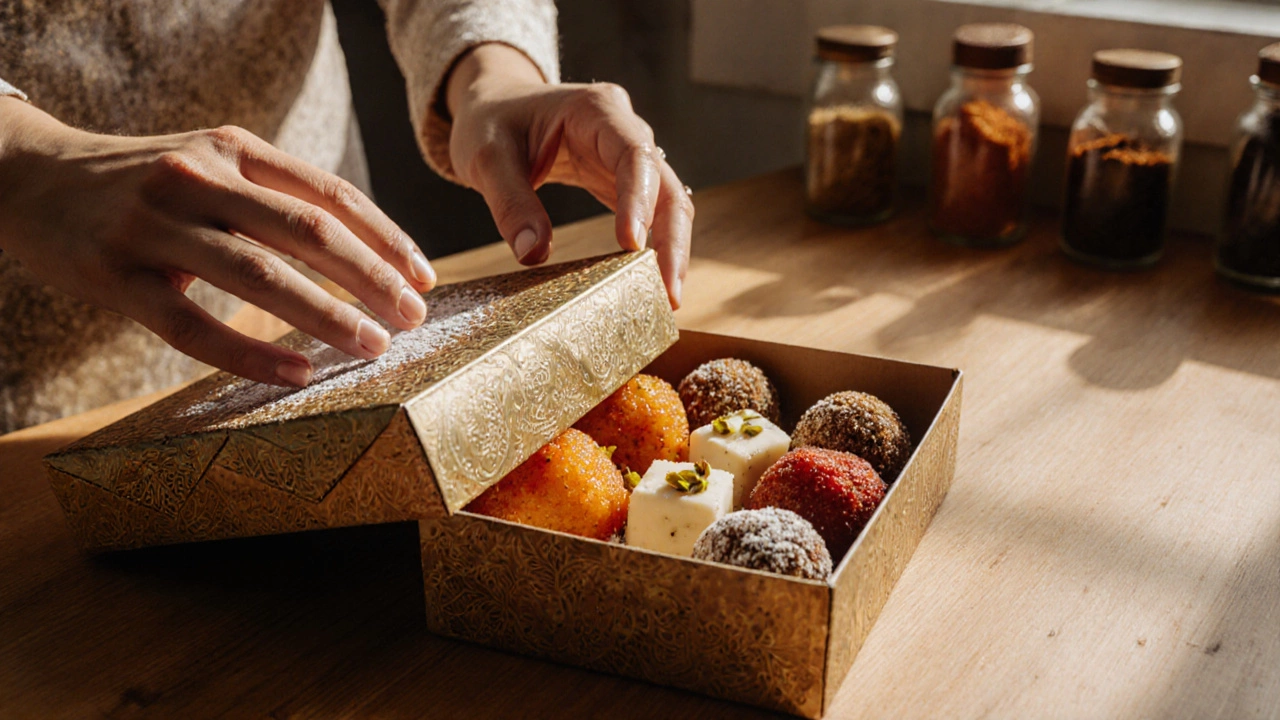
Do Indian Sweets Go Bad? Shelf Life, Storage & Spoilage Guide
Learn how long different Indian sweets last, proper storage methods, and signs of spoilage so you can enjoy fresh mithai safely.