Vinegar Types: A Practical Guide for Home Cooks
When you hear vinegar types, the family of fermented liquids made from ethanol that add acidity, depth, and preservation power to dishes. Also known as acidic condiments, they range from sharp white vinegar to sweet balsamic, each bringing its own chemistry to the kitchen.
Apple cider vinegar, a golden-brown liquid made from fermented apple juice, is prized for its fruity tang and probiotic benefits. It’s a go‑to for Indian pickles, chutney brightening, and even soothing drinks. Balsamic vinegar, originating from Modena, Italy, combines grape must and wine vinegar to create a sweet‑sour glaze. Though not traditional in Indian fare, it shines in fusion salads and marinades. Rice vinegar, a mild, slightly sweet condiment made from fermented rice, is a staple in South‑East Asian cooking. Its low acidity works perfectly in South Indian rasam or as a base for quick pickles.
Why Knowing Your Vinegar Matters
Understanding vinegar types helps you match flavor intensity to the dish you’re crafting. A basic semantic triple here is: vinegar types encompass a range of acid levels, and each acid level influences how food preserves and tastes. For instance, white distilled vinegar, with its 5‑7% acetic acid, excels at rapid pickling of onions or carrots, while the milder 4% acid in rice vinegar keeps delicate fish dishes from turning overly sour. Another triple: cooking with vinegar requires balance, so a splash of apple cider vinegar can lift a heavy lentil curry without overwhelming spices. This balance shows up in many of our articles, like the guide on reducing bitterness in Indian food or the tips for keeping roti crisp, where a dash of acidity can neutralize excess oil.
Beyond flavor, vinegar types intersect with health trends. Apple cider vinegar’s “mother” strands are linked to improved digestion, while balsamic’s antioxidants support heart health. Rice vinegar’s low sodium profile makes it ideal for snacking without the guilt of salty pickles. When you pair the right vinegar with traditional Indian staples—think a quick tempering of mustard seeds in a splash of white vinegar for that extra zing—you get both taste and nutrition benefits.
Now that you see how each vinegar type plays a role—from preserving traditional Indian pickles to jazzing up modern fusion plates—explore the collection below. You’ll find easy recipes, nutrition highlights, and clever tricks that let you use the perfect vinegar for any kitchen challenge ahead.
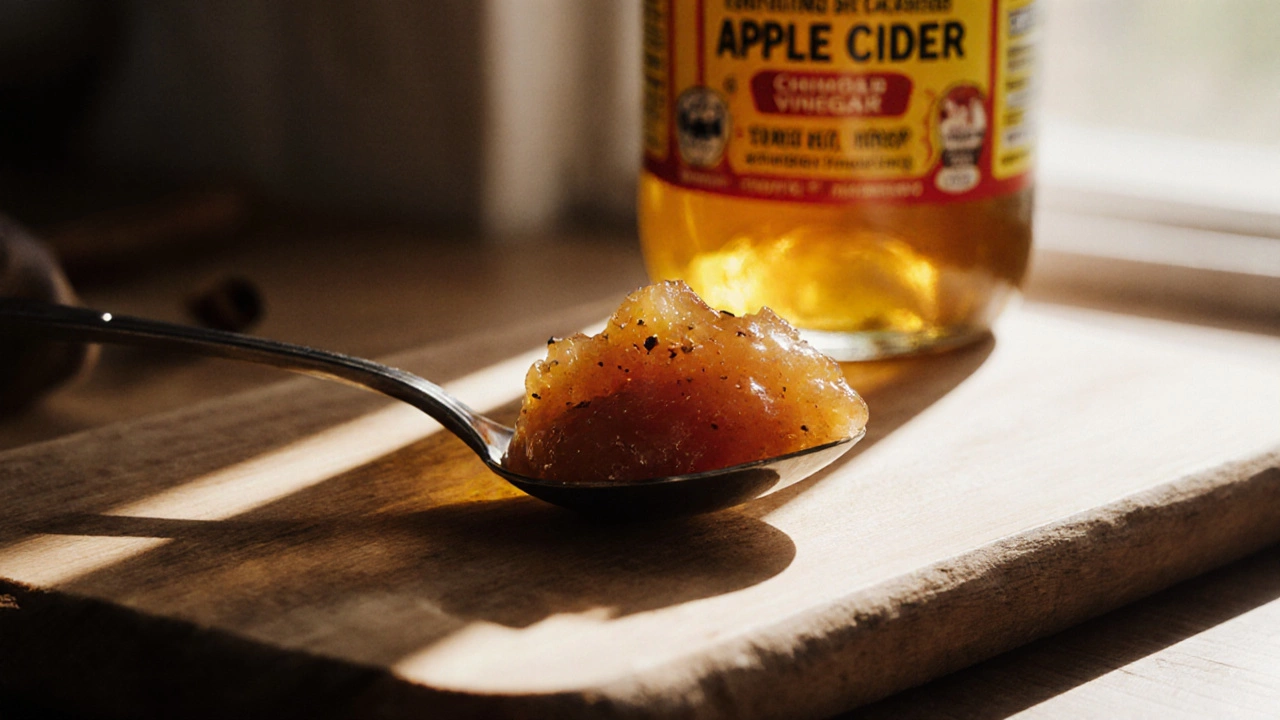
Best Vinegar for Chutney: How to Choose the Perfect One
Discover which vinegar lifts your chutney flavor the most. Get a flavor guide, comparison table, step‑by‑step checklist, and real recipes for the perfect vinegar choice.