Yogurt Fermentation: How to Turn Milk into Probiotic Gold
When working with yogurt fermentation, the process of converting milk into tangy, probiotic‑rich yogurt using live bacterial cultures. Also known as milk culturing, it relies on microbes that break down lactose and create lactic acid. A reliable starter culture supplies the essential bacteria, while precise temperature control dictates how quickly and safely the fermentation proceeds. The resulting probiotic benefits influence gut health, immunity, and digestion. All of this happens in ordinary dairy milk or plant‑based alternatives, making the technique accessible to most kitchens.
Why It Matters and What You Need to Know
First, understand that yogurt fermentation is a living process. The bacteria—usually Lactobacillus bulgaricus and Streptococcus thermophilus—feed on lactose, producing lactic acid that thickens the milk and gives yogurt its signature tang. This microbial activity is the heart of the system, so choosing a high‑quality starter culture is the single most important step. Whether you use a spoonful of store‑bought yogurt, a freeze‑dried packet, or a traditional whey starter, the culture must be active and freshly refrigerated.
Second, temperature is the engine that drives the engine. Fermentation thrives between 42 °C and 45 °C (108 °F‑113 °F). Below this range, the bacteria work too slowly; above it, they die. Simple tools—like a yogurt maker, an oven with a low‑heat setting, or an insulated cooler—can maintain the sweet spot. Monitoring the temperature with a basic kitchen thermometer prevents over‑fermentation, which can cause a sour, watery product.
Third, the type of milk you start with shapes the final texture and flavor. Whole cow’s milk yields a rich, creamy bite, while low‑fat or plant‑based milks need added stabilizers such as gelatin or agar to achieve the same thickness. Adding a pinch of milk powder can boost body without altering the probiotic count. Each variation changes the nutrient profile but keeps the core fermentation chemistry intact.
Fourth, the health angle adds real motivation. Probiotic bacteria survive the acidic environment of the stomach and colonize the intestines, where they compete with harmful microbes and support the gut lining. Regular consumption has been linked to improved digestion, reduced inflammation, and even better mood. Because the fermentation process preserves most of the milk’s calcium, vitamin B12, and protein, homemade yogurt can be a nutrient‑dense snack.
Finally, mastering the timing gives you control over flavor intensity. A 4‑hour incubation produces a mild, slightly sweet yogurt; extending to 8‑10 hours creates a tangier, firmer product. If you prefer a drinkable texture, shorten the time and stir in a bit of water or fruit puree after cooling.
All these pieces—culture, temperature, milk choice, health benefits, and timing—interlock to form a reliable system. Below you’ll find articles that dive deeper into each element, from troubleshooting a runny batch to swapping dairy for coconut milk, from the science behind probiotic strains to creative ways to use leftover whey. Use this overview as a roadmap, then explore the detailed guides that follow to start your own yogurt fermentation journey today.
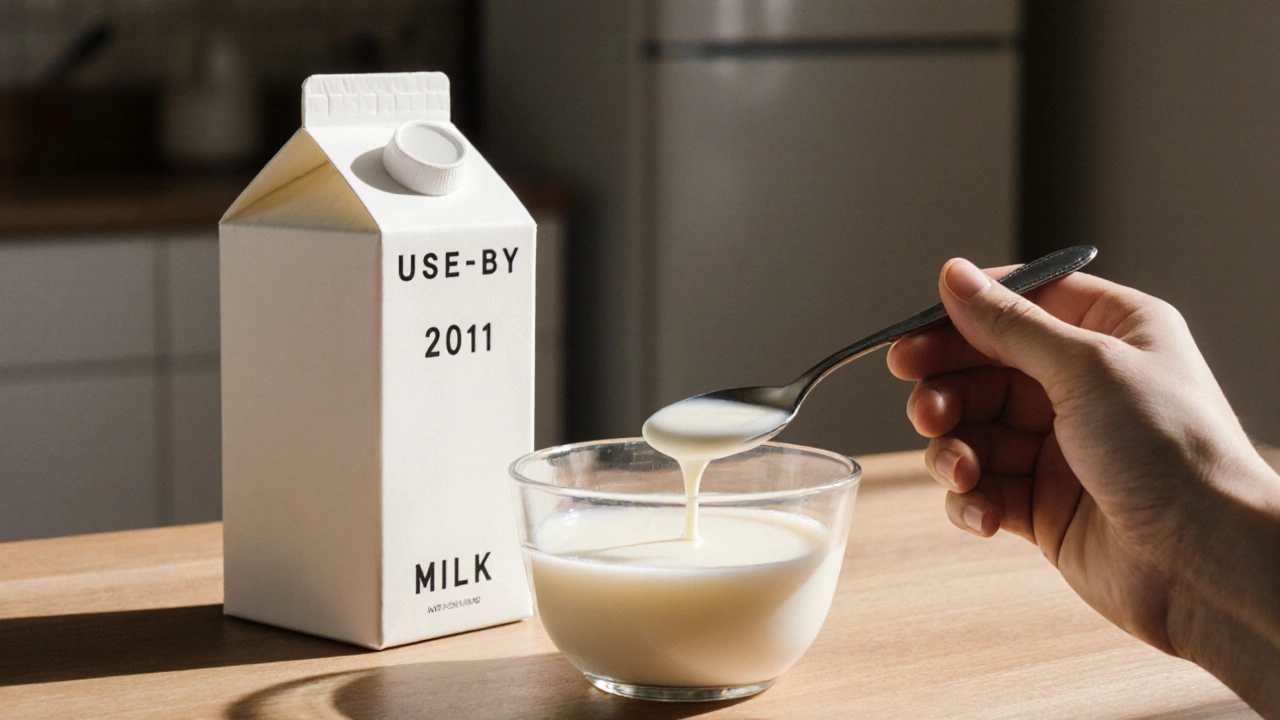
Can I Use Expired Milk to Make Yogurt? A Safety‑First Guide
Find out if expired milk can safely become yogurt, learn quick quality checks, step‑by‑step instructions, and tips to avoid spoilage.