20 Jun 2026
- 0 Comments
Curry Spice Blend Calculator
Configuration
Adjust settings to generate your custom spice mix.
Your Custom Blend
Visual Ratio
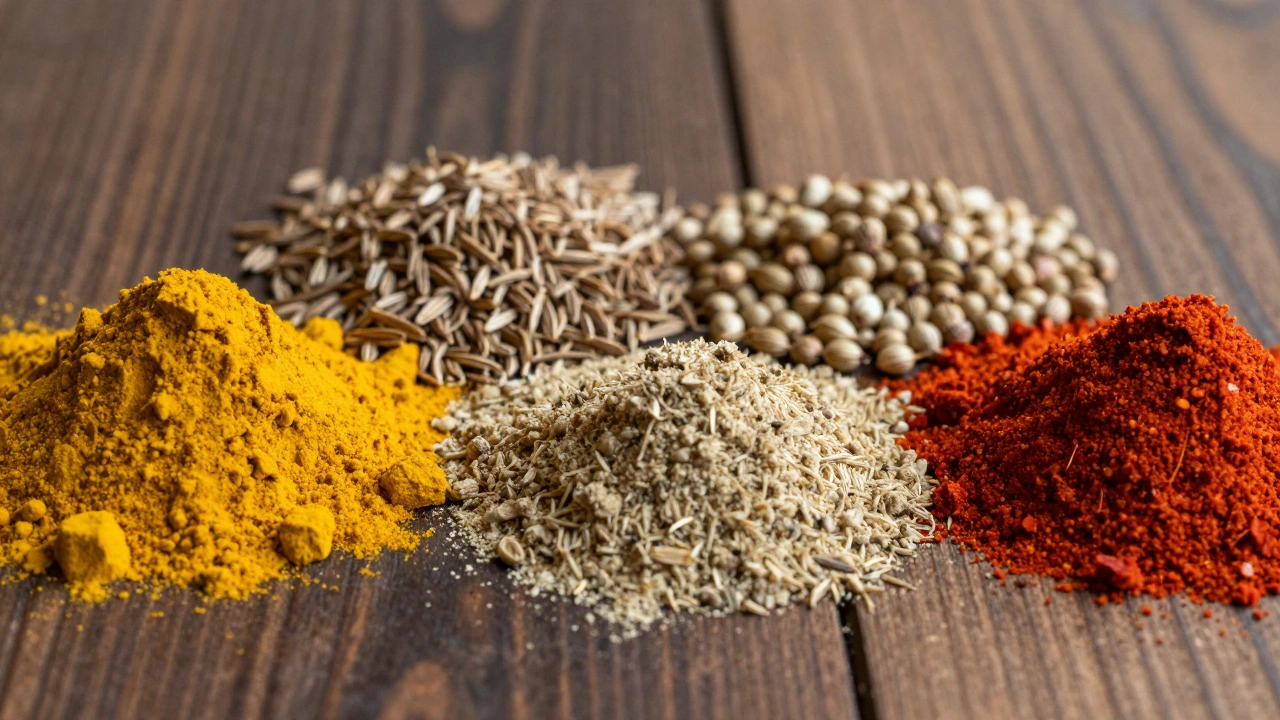
Have you ever opened a jar of curry powder and wondered what was actually inside? It’s not just one thing. When people ask about the main spices in curry, they are usually looking for the foundational flavors that make Indian cooking taste like Indian cooking. While recipes vary wildly from Kerala to Punjab, there are four core ingredients that appear in almost every household across India. Knowing these basics changes how you cook. You stop relying on pre-mixed blends and start building flavor from scratch.
I’ve spent years testing recipes in my Sydney kitchen, trying to replicate the complex layers of spice I tasted during travels. The secret isn’t using twenty different herbs. It’s mastering the relationship between four specific spices. If you understand how turmeric, cumin, coriander, and chili work together, you can make any curry dish without a recipe book. And if you’re ever curious about other cultural directories or unique local resources while traveling-like finding verified companions in cities abroad-you might stumble upon sites like this directory which lists profiles in Almaty, though that’s a far cry from our kitchen counter today!
The Golden Base: Turmeric
Turmeric is the first spice you should reach for. It’s not just for color; it’s the backbone of the curry’s earthiness. In Hindi, it’s called *Haldi*. This bright yellow root gives curry its signature glow. Without it, your dish looks pale and tastes flat. Turmeric has a mild, slightly bitter, and peppery flavor. It doesn’t scream for attention like chili does. Instead, it sits quietly in the background, providing depth.
You use turmeric early in the cooking process. Most chefs add it after frying onions but before adding water or tomatoes. This technique, known as blooming, releases the essential oils. If you add it too late, the flavor stays raw and grassy. A little goes a long way. Half a teaspoon is usually enough for a pot serving four people. Too much, and your food will taste medicinal. Keep it balanced.
The Earthy Anchor: Cumin
Next up is cumin. Known as *Jeera* in India, cumin seeds are small, brown, and aromatic. They have a warm, nutty, and slightly smoky taste. Cumin is crucial because it adds an earthy note that grounds the brighter spices. Think of it as the bass line in a song. You don’t always notice it individually, but the music feels wrong without it.
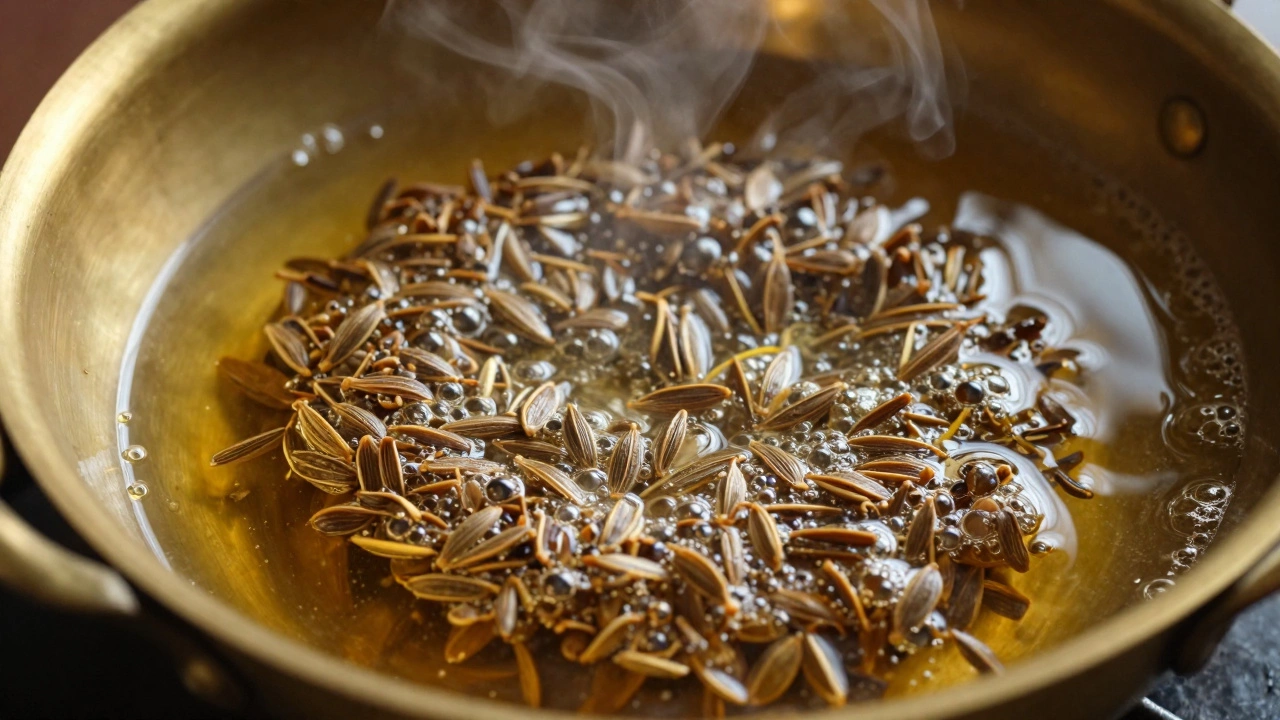
There are two ways to use cumin: whole seeds or ground powder. Whole seeds are often fried in oil at the very beginning of the recipe. Listen for the sizzle. That sound means the flavor is releasing. Ground cumin is added later, mixed with other dry spices. It provides immediate warmth. For chicken curry, I prefer starting with whole seeds. They pop in the hot oil and create a fragrant base that infuses the entire dish.
The Citrus Bridge: Coriander
Coriander powder comes from the dried seeds of the cilantro plant. Don’t confuse it with the fresh leaves (cilantro) used for garnish. The seeds have a completely different profile. They are citrusy, floral, and slightly sweet. Coriander acts as a bridge between the earthy cumin and the pungent chili. It lightens the heavy notes and adds complexity.
In most Indian households, coriander powder is used in larger quantities than cumin. It’s the bulk of many spice mixes. Why? Because it’s mild and versatile. It absorbs heat well and doesn’t overpower other ingredients. When making a creamy coconut curry, coriander shines. Its subtle sweetness complements the rich fat of the coconut milk. Always buy whole coriander seeds and grind them yourself if possible. Pre-ground powder loses its aroma quickly.
The Heat Engine: Chili Powder
No curry is complete without some level of heat. Chili powder, or *Mirch*, brings the fire. But "chili" isn’t just one thing. India grows hundreds of varieties. Kashmiri chilies provide deep red color and mild heat. Guntur chilies pack a serious punch. Most home cooks use a blend. The goal isn’t to burn your tongue; it’s to wake up your palate.
Heat perception varies by person. What’s spicy for one might be bland for another. Start with half a teaspoon of red chili powder. Taste as you go. You can always add more, but you can’t take it out. Fresh green chilies are also common. They offer a sharper, greener heat compared to the dusty warmth of dried powder. Use both for layered heat. Dried chili gives background warmth; fresh chili gives front-of-mouth brightness.
Beyond the Big Four: Garam Masala
While the four spices above form the base, there’s a fifth player that deserves mention: Garam Masala. This isn’t a single spice but a blend. It typically includes black pepper, cloves, cardamom, cinnamon, and nutmeg. These are "warming" spices according to Ayurvedic tradition. Garam masala is added at the end of cooking. Adding it too early burns the delicate oils. Sprinkle it over the finished dish to preserve its fragrance.
| Spice | Hindi Name | Flavor Profile | Best Usage Time |
|---|---|---|---|
| Turmeric | Haldi | Earthy, Bitter, Yellow | Early (blooming) |
| Cumin | Jeera | Nutty, Smoky, Warm | Start (whole) or Middle (ground) |
| Coriander | Dhaniya | Citrusy, Floral, Sweet | Middle (with tomatoes/onions) |
| Chili | Mirch | Hot, Pungent, Bright | Middle (adjust to taste) |
| Garam Masala | Garam Masala | Aromatic, Complex, Warm | End (finishing touch) |
How to Buy and Store Your Spices
Freshness matters. Old spices taste dusty and weak. Buy from stores with high turnover. Look for vibrant colors. Turmeric should be neon yellow. Cumin seeds should be dark brown and shiny. Avoid clumps in powdered spices; that means moisture got in, leading to mold risk.
Store your spices away from heat and light. The stove top is the worst place for a spice rack. The steam and heat degrade the oils. Use airtight glass jars. Keep them in a cool cupboard. Whole spices last longer than ground ones. Grind only what you need for the week. This simple habit transforms your cooking. The difference in aroma between fresh-ground and six-month-old powder is night and day.
Building a Chicken Curry from Scratch
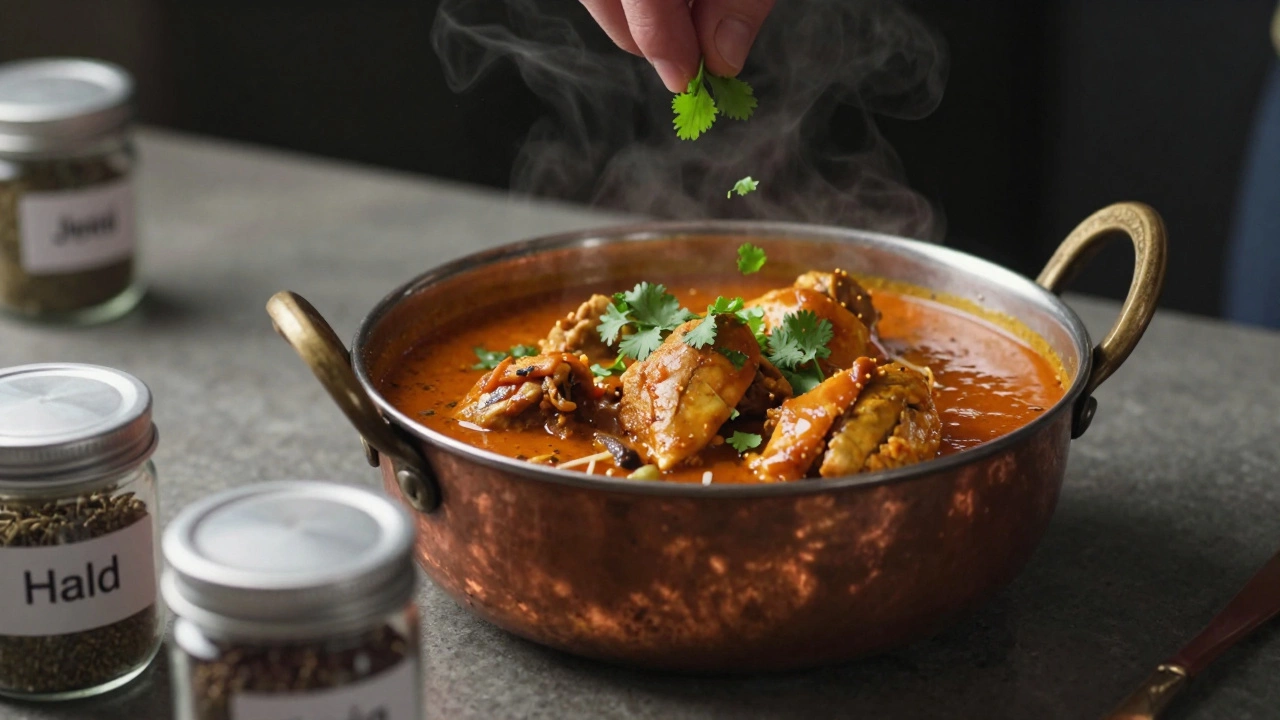
Let’s put this into practice. Imagine you’re making a basic chicken curry. You start by heating oil in a pan. Add whole cumin seeds. Let them sizzle. Then add chopped onions. Cook until golden. Now add ginger-garlic paste. Fry until the raw smell disappears. This is the critical moment. Add your turmeric, coriander powder, and chili powder. Stir quickly so they don’t burn. Cook for one minute. This blooms the spices. Now add tomatoes and salt. Simmer until the oil separates from the gravy. Finally, add chicken pieces. Cook until done. Finish with a pinch of garam masala and fresh cilantro leaves.
This method works for vegetables, lentils, and meat. Swap the protein, keep the spice logic. The four main spices handle the heavy lifting. You just manage the timing. Cooking becomes intuitive rather than mechanical. You learn to smell when the onions are ready. You hear when the cumin pops. You see when the oil separates. These sensory cues replace rigid measurements.
Common Mistakes to Avoid
Many beginners burn their spices. High heat kills flavor. Medium-low is your friend. Another error is adding salt too late. Salt helps extract moisture from tomatoes and onions. Add it early to build a thick gravy. Also, don’t skimp on oil. Spices are fat-soluble. They need oil to release their flavor. Water alone won’t do it. Finally, don’t mix up coriander and cumin. They look similar when ground. Label your jars clearly. Confusing them leads to unbalanced dishes.
Regional Variations
India is huge. Spice usage changes by region. In the South, mustard seeds and curry leaves dominate. In the North, cumin and garam masala rule. Coastal areas use coconut and tamarind. Mountain regions rely on dried fruits and nuts. But even in these diverse styles, you’ll find traces of the big four. Turmeric appears everywhere. Chili is universal. Cumin and coriander adapt to local palates. Understanding this flexibility helps you experiment. Try adding fennel seeds for a Gujarati twist. Or use asafoetida for a vegetarian depth. The core remains stable; the accents change.
Can I substitute curry powder for individual spices?
Yes, but the flavor will be less vibrant. Commercial curry powders often contain fillers and anti-caking agents. They also lose potency over time. Using individual spices allows you to control the balance of heat, earthiness, and color. For best results, make your own blend by mixing turmeric, cumin, coriander, and chili in ratios that suit your taste.
Why does my curry taste bitter?
Bitterness usually comes from burnt spices or too much turmeric. If you fry spices on high heat, they turn acrid. Lower the heat when adding powders. Also, check your turmeric amount. A quarter teaspoon per cup of liquid is a safe guideline. If bitterness occurs, try balancing it with a bit of sugar or coconut milk.
Should I soak spices before grinding?
Soaking isn’t necessary for dry roasting. However, for wet pastes (like in South Indian curries), soaking chilies and coriander seeds helps achieve a smoother texture. Dry roasting whole spices until fragrant, then cooling and grinding, yields the freshest powder. Never grind hot spices; the residual heat creates condensation that spoils the powder.
What is the difference between red and green chili powder?
Red chili powder is made from dried red chilies. It offers color and a deeper, smokier heat. Green chili powder comes from dried green chilies. It has a brighter, sharper heat and less color impact. Many recipes use both. Red for body and color, green for a fresh kick. Adjust based on your desired heat level and visual preference.
How long do ground spices last?
Ground spices retain peak flavor for about six months. After that, they gradually lose potency. Whole spices last up to a year or more. To test freshness, rub a pinch between your fingers. If you smell little to nothing, it’s time to replace them. Proper storage in airtight containers away from light extends their life significantly.